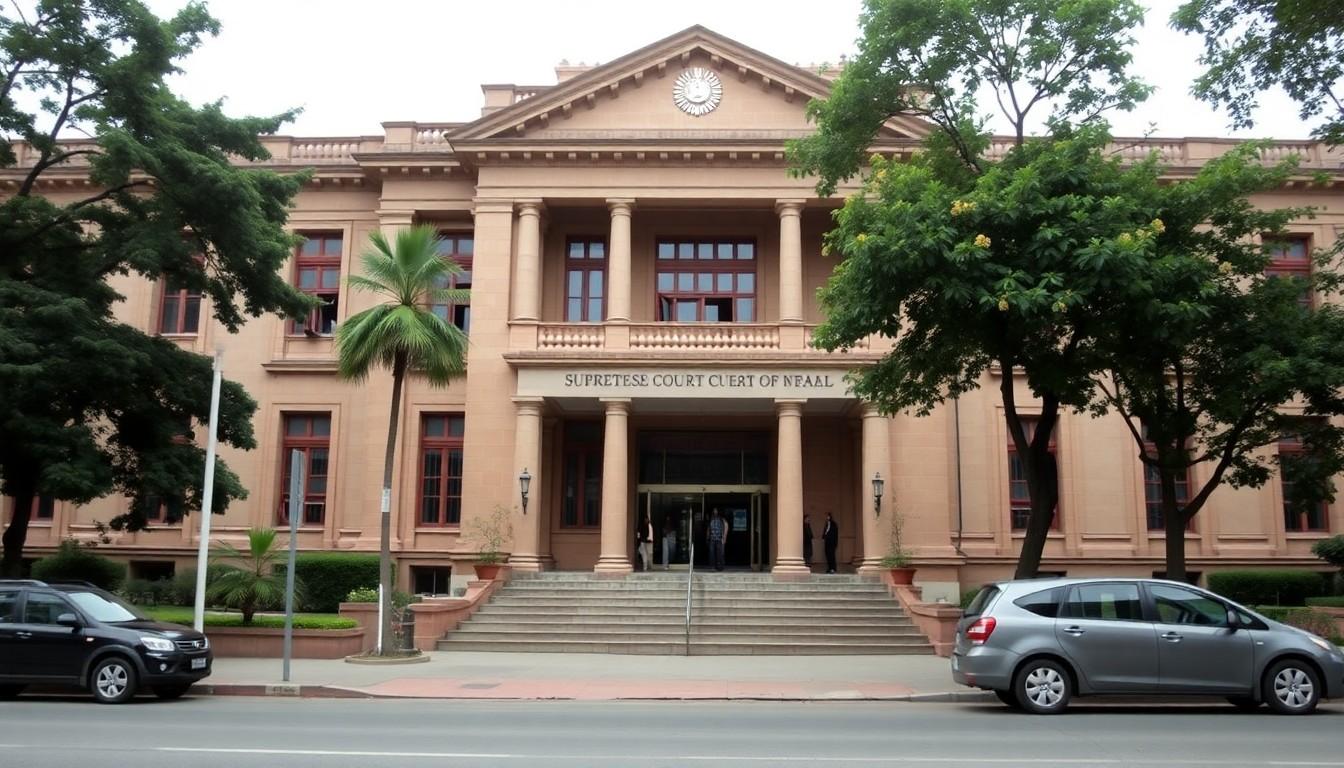
Shoppers of justice are celebrating as Nepal's Supreme Court has ordered the government to guarantee equal marriage rights for queer and trans people, a major step for South Asia and a practical win that secures legal protections for couples, families and futures.
Essential Takeaways
- Historic ruling: Nepal’s Supreme Court ordered equal marriage recognition on 18 June, making Nepal the 40th country with legal equal marriage.
- Practical change: The decision requires the government to provide legal clarity and marriage registration for gender minority couples, reducing bureaucratic uncertainty.
- Groundwork already laid: Interim rulings and a 2023 registration in Lamjung paved the way and showed how couples could be recognised in practice.
- Local advocacy mattered: Groups like Blue Diamond Society and activists such as Sunil Babu Pant welcomed the verdict; opposition petitions were dismissed.
- Regional significance: Nepal builds on earlier constitutional protections from 2007, reinforcing its reputation as a South Asian leader on LGBTQ+ rights.
Why this ruling matters now
The moment feels vivid: a court room decision that moves beyond symbolism into paperwork and rights that affect daily life, from inheritance to hospital visits. According to local advocates, the judgement gives couples legal certainty they previously lacked, and that certainty can change how families plan and live. Nepal’s highest court has told the state to stop treating marriage as a binary institution, and that has immediate, practical consequences.
How we got here , the backstory
This outcome didn’t appear out of nowhere. Human rights campaigns and a string of legal challenges over two decades built momentum, starting with a landmark 2007 case that recognised gender and sexual minorities under constitutional protections. An interim 2023 ruling already prompted a new register and produced South Asia’s first official LGBTQ+ marriage in Lamjung. Those earlier steps made this broader ruling more of an expected, if hard-won, confirmation.
What the ruling changes for couples
For couples, the benefit is tangible: access to the administrative and legal trappings of marriage that others take for granted. Registration, inheritance rules, parental rights and spousal recognition in medical or employment contexts are now on firmer ground. Practically speaking, couples should check forthcoming government guidance on how to apply, which offices will register marriages, and whether ID and gender documentation will require updating.
Who celebrated and who opposed it
Local NGOs and activists were quick to praise the decision. Sunil Babu Pant, a prominent rights campaigner, called it historic for dignity and equality. The Blue Diamond Society framed the ruling as the latest in a series of Supreme Court steps that guarantee the freedom to marry. At the same time, the court dismissed counter-petitions seeking to block these rights, signalling that legal resistance may continue but has an uphill battle.
What this means for South Asia and the future
Nepal’s move is a clear regional signal: constitutional commitments to non-discrimination can lead to concrete marriage equality even in places where social change is gradual. Legal recognition often precedes broader cultural acceptance, and with the state now tasked to implement registration processes, day-to-day experiences for LGBTQ+ families are likely to improve. Expect further legal and administrative updates as ministries translate the ruling into forms, rules and training for officials.
It's a small legal shift with large human consequences , and a reminder that rights secured in court soon ripple into kitchens, hospitals and neighbourhoods.
Source Reference Map
Story idea inspired by: [1]
Sources by paragraph: