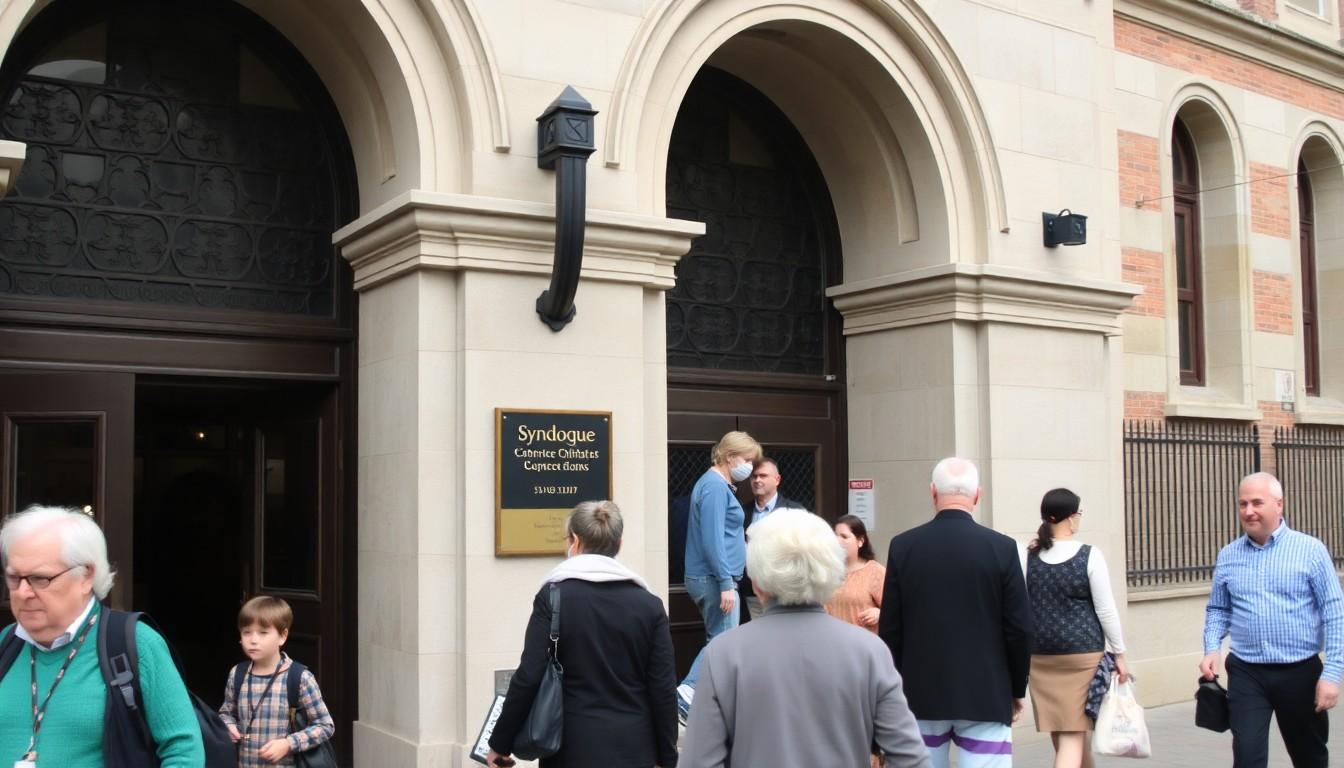
Shoppers are turning to new language and rituals as Orthodox Jews and LGBTQ+ identities find careful, changing ground; this matters because inclusion shapes whether people stay in community, feel safe, and pass traditions on.
Essential Takeaways
- Growing networks: Eshel connects Orthodox synagogues across North America, running retreats and support that feel warm and Jewishly rich.
- Visible leadership: A handful of openly gay Orthodox rabbis, led by Rabbi Steven Greenberg, have helped shift conversation and practice.
- Practical programmes: Year-round small groups and family-focused retreats matter more than one-off Pride events.
- Halakhic tension: Traditional Jewish law remains a restraint, but some rabbis use halakhic tools to create inclusive rituals.
- Emotional reality: Personal encounters , not just policy , often move hearts and change pastoral approaches.
Why Eshel matters: community, not token gestures
Eshel’s work feels immediately practical: retreats, support groups and synagogue partnerships give queer Orthodox Jews and their families places to be seen and heard. According to Eshel’s materials, the organisation runs retreats for both LGBTQ+ people and their Orthodox parents, and partners with hundreds of shuls across cities from Toronto to Los Angeles. That year-round, relational approach is important because, as many advocates note, Pride month events can open the door but they rarely keep people inside. If you care about making belonging last, think small groups and consistent pastoral care, not one-off visibility stunts.
Rabbi Steven Greenberg: a personal story that reshaped a debate
Steven Greenberg’s journey from Conservative upbringing to becoming the first Orthodox rabbi to come out publicly has been quietly seismic for parts of Orthodoxy. He describes his own wrestling with desire, tradition and halakha, and has modelled how an Orthodox rabbi might live authentically while engaging the tradition. Greenberg’s example shows the power of individual witness: when respected leaders speak from experience, other clergy and congregants re-evaluate long-held positions. That doesn’t eliminate theological tension, but it humanises the conversation.
Halakha and real-life needs: where the doctrine meets the dinner table
Traditional Jewish law hasn’t moved quickly on same-sex intimacy, and many rabbis still approach the subject with caution. Yet some teachers and communities are finding halakhic pathways for inclusion , for instance, offering rituals that honour relationships without replicating straight wedding models. That’s a delicate balance: Orthodox life is child-centred and covenantal, so leaders are also asking how queer Jews fulfil future-facing commitments. Practical advice for families is to ask local clergy how they handle pastoral care and to seek out synagogues that offer both religious seriousness and emotional support.
What actually keeps queer Jews in Orthodox spaces?
Recent engagement research and community leaders point to the same truth: people stay when they find ongoing relationships, not spectacular events. Retreats for parents, regular Shabbat gatherings designed to be LGBTQ+ friendly, and rabbis willing to offer pastoral counselling make the difference. If you’re a synagogue leader wondering how to help, start small , create a confidential support circle, invite trusted speakers, and ensure your pastoral team receives training in LGBTQ+ issues. Even modest steps send a message: you see us, and you mean it.
Politics, backlash and human encounters
The wider political climate , including pushes to roll back LGBTQ+ rights , has rattled communities, but local dynamics vary. Some Orthodox congregations are entrenching; others are opening further. The decisive moments often aren’t policy debates but human meetings: conversations with neighbours, parents, or a moved rabbi who has listened and changed. Those encounters remind us that theology shifts less through abstract argument than through empathy and relationship-building.
It's a small change that can make every member feel a little more at home.
Source Reference Map
Story idea inspired by: [1]
Sources by paragraph: