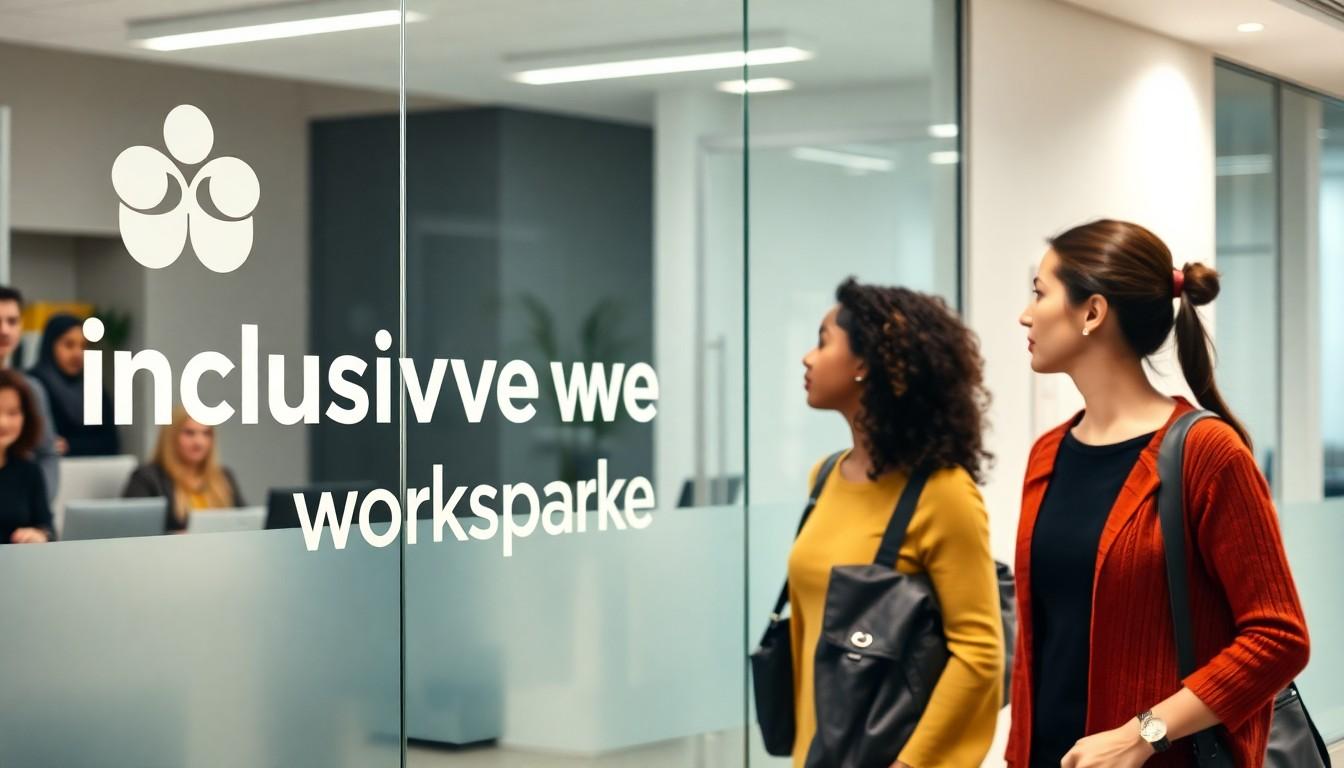
Shoppers are turning to workplace equality as a business priority , employers, charities and leaders are proving that inclusive workplaces lift morale, loyalty and the bottom line, and that matters because we spend almost a third of our lives at work. Here’s what’s working and how to get started.
Essential Takeaways
- Widespread impact: Inclusive workplaces boost talent retention, customer loyalty and financial performance, with clear business advantages.
- Hidden identities: Around 40% of LGBTQ+ staff still conceal who they are at work, often after hearing discriminatory remarks.
- Practical support: Programmes offering training, legal briefings and peer networks create measurable change and belonging.
- Recognition helps: Awards and external accreditation spotlight successful initiatives and build momentum across sectors.
Why inclusion is now a business and social priority
Inclusion isn’t just a moral idea , it’s clear-cut commercial sense, and employees feel it emotionally too. According to McKinsey, the case for holistic diversity and inclusion keeps getting stronger, showing links to better performance and talent outcomes. That data matters because businesses shape daily life for millions; when workplaces are kinder and fairer, society benefits in small, practical ways.
Stonewall has spent decades helping firms translate that case into action. Their Proud Employers programme provides hands-on support so companies don’t just tick a box but build sustainable practices. For leaders wondering whether it’s worth the effort, recent wins and recognition suggest it is: awards and public praise amplify what works and encourage others to follow.
The unseen cost: why many people still hide who they are
It’s jarring to learn roughly four in ten LGBTQ+ employees hide their sexual orientation or gender identity at work. That’s not just an awkward statistic , it signals a daily emotional tax on staff and a drag on creativity and engagement. Research shows that negative remarks and microaggressions are part of the reason.
Employers can stop this leakage by creating safe channels and normalising allyship. Practical steps include clear anti-discrimination policies, visible senior sponsorship and confidential reporting routes. Those moves help staff feel safer, which in turn reduces turnover and supports mental wellbeing.
What effective inclusion programmes actually look like
The most convincing programmes combine training, policy and community. Stonewall’s approach mixes accreditation, legal briefings, consultancy and peer networks to make sure change is both credible and long-lasting. Training alone won’t cut it; organisations also need measurable goals, data tracking and senior accountability.
Start small if you must: run basic awareness training, set up employee-led networks, and review HR policies for gaps. Then scale with clearer metrics and external accreditation. Companies that take an authentic, holistic approach tend to see the biggest gains , in talent attraction, internal morale and customer perception.
How recognition and awards move the needle
Public recognition helps. Celebrations such as the Rainbow Honours showcase organisations and individuals that are getting inclusion right, and that visibility provides proof points other employers can emulate. Awards don’t fix everything, but they spotlight best practice and reward investment.
Recognition also builds internal pride. When staff see their employer honoured, it validates everyday inclusion work and encourages further participation. For leaders who worry about optics or cost, think of awards as a useful catalyst for cultural momentum rather than a vanity prize.
Practical checklist: first steps for employers who want to do better
If you’re leading inclusion at any organisation, make a short roadmap: review policies for equity and protection, collect anonymous staff experience data, train managers in inclusive leadership, and support employee networks with time and budget. Bring in external expertise where needed , charities and consultants can accelerate impact.
Measure what matters: representation across levels, staff wellbeing scores, reports of discrimination and retention rates. Small, steady improvements compound into cultural change. And remember, inclusion is ongoing , it’s about building workplaces where people can thrive every day.
It's a small change that can make every workplace safer, smarter and more successful.
Source Reference Map
Story idea inspired by: [1]
Sources by paragraph: