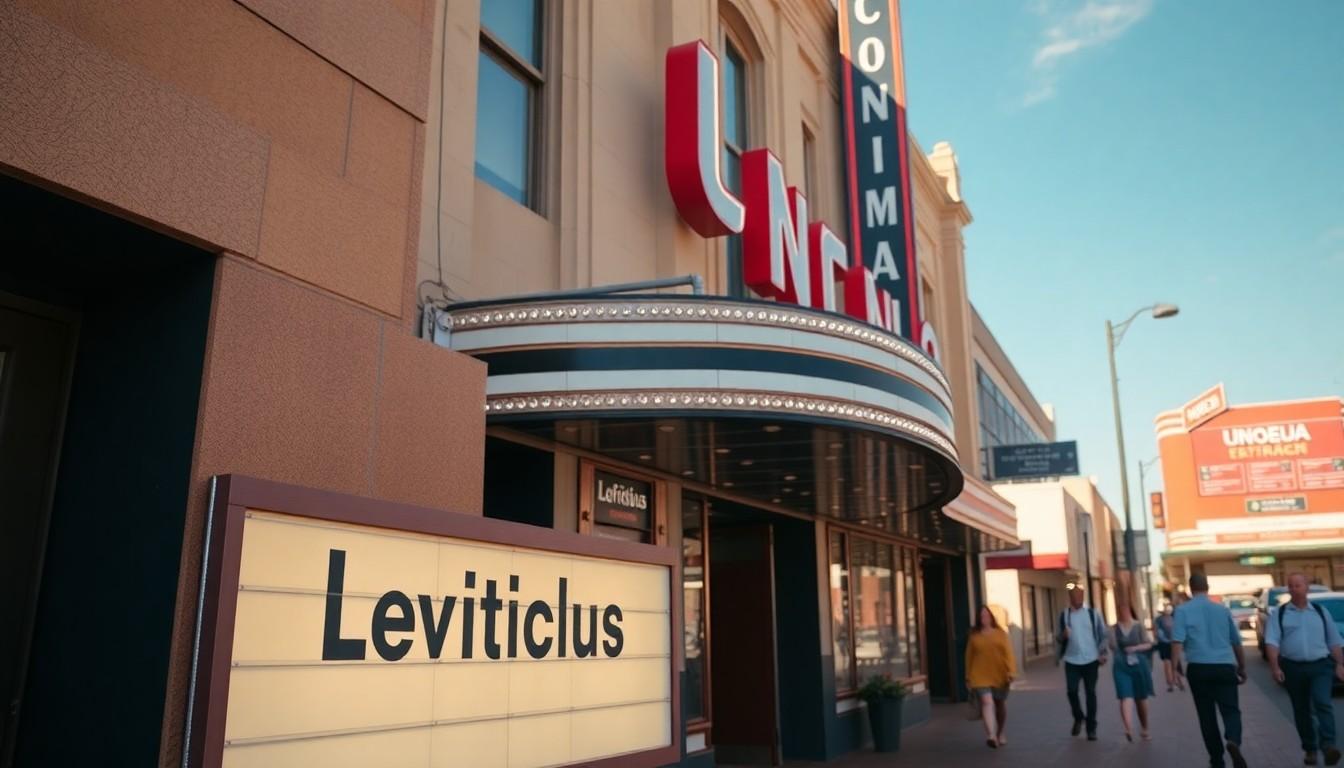
Shoppers of scares and fans of queer cinema are flocking to Leviticus, and for good reason , the Aussie chiller pairs jolts with heart. Actors and critics alike say the film’s ambiguous final image matters, showing two young men choosing hope and love even with a persistent threat still lurking.
Essential Takeaways
- Emotional horror: Leviticus blends jump scares with a tender coming‑of‑age love story, giving the scares a purpose.
- Ambiguous final shot: The protagonists leave town together while the menace remains, creating tension and lasting curiosity.
- Allegory observed: Many viewers read the monster as a stand‑in for homophobia or conversion practices , the film invites that interpretation.
- Performance note: Joe Bird and co‑star Stacy Clausen anchor the film with a grounded, sympathetic chemistry.
- Runtime and tone: At roughly 88 minutes, it’s lean, tense and often unexpectedly joyful amid the dread.
Why the last shot feels like a promise rather than a cop‑out
The final image of Leviticus stays in your head: two young men stepping away from their small town, hands clasped, while the supernatural threat hasn’t been fully solved. It’s a sensory moment , bittersweet, sunlit, and oddly defiant. According to Joe Bird, the choice was deliberate; the creative team wanted to show characters choosing hope over a life ruled by fear. That emotional pivot lifts the ending from mere fright to something compassionate.
This finish also neatly avoids tidy resolution, which would feel dishonest for a horror allegory about prejudice. The open endedness keeps the film alive in conversation and preserves the sense that survival is ongoing, not a single victory. If you prefer definitive endings, this one will frustrate you; if you like lingering questions, it’s a treat.
How Leviticus sits alongside recent horror hits
Summer’s been good to horror , films like Obsession and Backrooms have found audiences who crave both spectacle and subtext. Leviticus follows that trend, offering both visceral set pieces and a moral backbone. Critics have praised the film for balancing chills with character work, and audiences responding during Pride Month have given it additional resonance.
Industry chatter suggests horror that foregrounds identity and social commentary is having a moment, and Leviticus fits neatly into that groove. It’s a reminder that the genre can be cathartic as well as scary, and that representation in horror can sharpen the fear into something personally meaningful.
Reading the monster: allegory, exorcism, and queer erasure
Viewers and critics have picked up on symbolic layers. Some interpret the entity as an embodiment of homophobia or coercive practices aimed at erasing queer identity. Directors and writers have pushed this idea in interviews, framing the phenomenon as less about jump scares and more about societal violence. That context makes the monster feel less like a literal antagonist and more like a force the characters must learn to live with and resist.
Knowing that background changes how you watch certain scenes , intimate moments gain stakes, confrontations carry extra weight. If you’re interested in films that wear their politics lightly but clearly, Leviticus will feel thoughtfully crafted rather than preachy.
What the performances bring: tenderness under threat
Joe Bird , familiar to horror fans from Talk To Me , brings a vulnerability to Naim that makes the stakes immediate. Stacy Clausen as Ryan matches him, and together they ground the supernatural in recognisable teenage longing and fear. Their chemistry sells the ending: you believe two people choosing one another despite danger.
For casual viewers, that emotional core is the hook; for cinephiles, it’s proof that strong casting and direction can lift a genre pic into something richer. That of course makes the possibility of a sequel intriguing , there’s narrative space to explore what living with an unresolved threat actually looks like.
Practical tips for viewers: how to watch and what to expect
If you go in expecting straight horror, brace for an 88‑minute film that spends as much time on feelings as frights. For first‑time viewers, sit close enough to pick up the actors’ subtle expressions; the movie rewards attention. If allegory interests you, look for scenes that double as metaphors for secrecy, shame, and community.
And bring a friend , the film’s blend of tenderness and terror makes it a great discussion starter afterwards. If you’re sensitive to themes of homophobia or conversion practices, a heads up might help; the film uses those elements to drive emotional stakes and may land hard for some viewers.
It's a small change that can make every scare mean something more.
Source Reference Map
Story idea inspired by: [1]
Sources by paragraph: