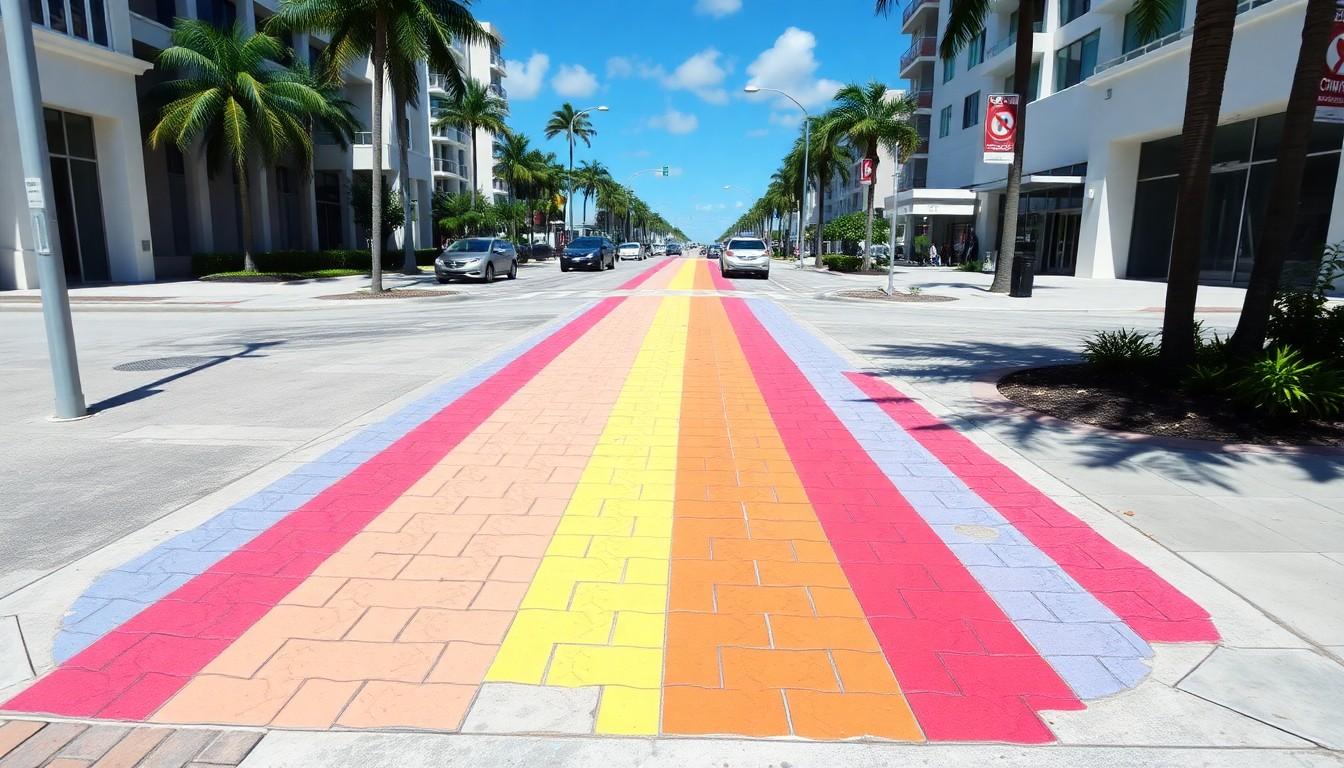
Witness how Miami Beach turned a torn-up symbol into a sturdier, more permanent tribute to the LGBTQ community, and why the reclaimed rainbow sidewalk matters for activists, visitors and anyone who cares about public expression.
Essential Takeaways
- Local action: Miami Beach leaders and activists rebuilt the rainbow marking on city property after the state removed the original crosswalk, keeping the colourful bricks and stronger symbolism.
- Design change: The replacement sits on the sidewalk rather than the road, with rounded corners and repurposed pavers for a softer, more authentic rainbow look.
- Emotional impact: Residents described the removal as “like witnessing carnage”; the new installation prompted tears, hugs and a renewed sense of solidarity.
- Practical win: Moving the tribute onto city property puts it beyond state Department of Transportation control, reducing the risk of future forced removals.
- Broader context: The rebuild is part of a larger pushback against state-level actions affecting LGBTQ visibility and rights, reflecting a sense that the community must defend hard-won gains.
A colourful act of defiance that smells faintly of sea salt and fresh paint
Miami Beach’s new rainbow tribute landed amid a lot of feeling , people stopped, filmed and cried as the old crosswalk was torn out, witnesses told reporters. That emotional reaction set the tone for what came next: local officials and activists decided not to wait for permission, they simply set about restoring a marker with stronger protections and a clearer intention.
Why designers chose the sidewalk , and why it matters
Putting the rainbow on the sidewalk rather than in the carriageway is more than a technical tweak. According to local coverage, moving the installation onto city-owned land places it outside the Florida Department of Transportation’s reach, a practical defence against state-ordered removals. Designers also took advantage of the freedom: without the need for angled crosswalk corners they used broken pavers to produce rounded edges, producing a softer, more recognisably “rainbow” aesthetic.
Community reaction: grief turned into purposeful action
City commissioner Tanya Bhatt described the night the original was ripped up as like “witnessing carnage,” and that shock fuelled a rapid organising effort. Instead of letting the loss stand, local leaders worked with volunteers and city staff to reclaim the site and the story. The rebuild ceremony felt like a small victory , and a reminder that symbols matter for morale and visibility when political winds shift.
This fits a wider pattern of local pushback
National and international reporting shows similar tensions between state authorities and municipal displays of LGBTQ pride. In Miami Beach’s case the local response aligns with other communities that are placing memorials and markers on municipal property or in parks to limit state interference. It’s a pragmatic answer to a broader retreat in some places from legal and cultural protections for LGBTQ people, and it signals how civic design can become a front line of activism.
How this affects everyday visitors and residents
If you walk past the new installation you’ll notice the colours look warmer and the edges feel intentional; they kept material from the old pavers, which gives the site a sense of continuity. For residents, the sidewalk placement reduces the likelihood of repeated state-ordered removals. For visitors, it’s now a photo-ready, more permanent spot for commemorations and quiet moments of reflection , a small, practical safeguard with real emotional weight.
It's a small change that helps make pride more durable.
Source Reference Map
Story idea inspired by: [1]
Sources by paragraph: