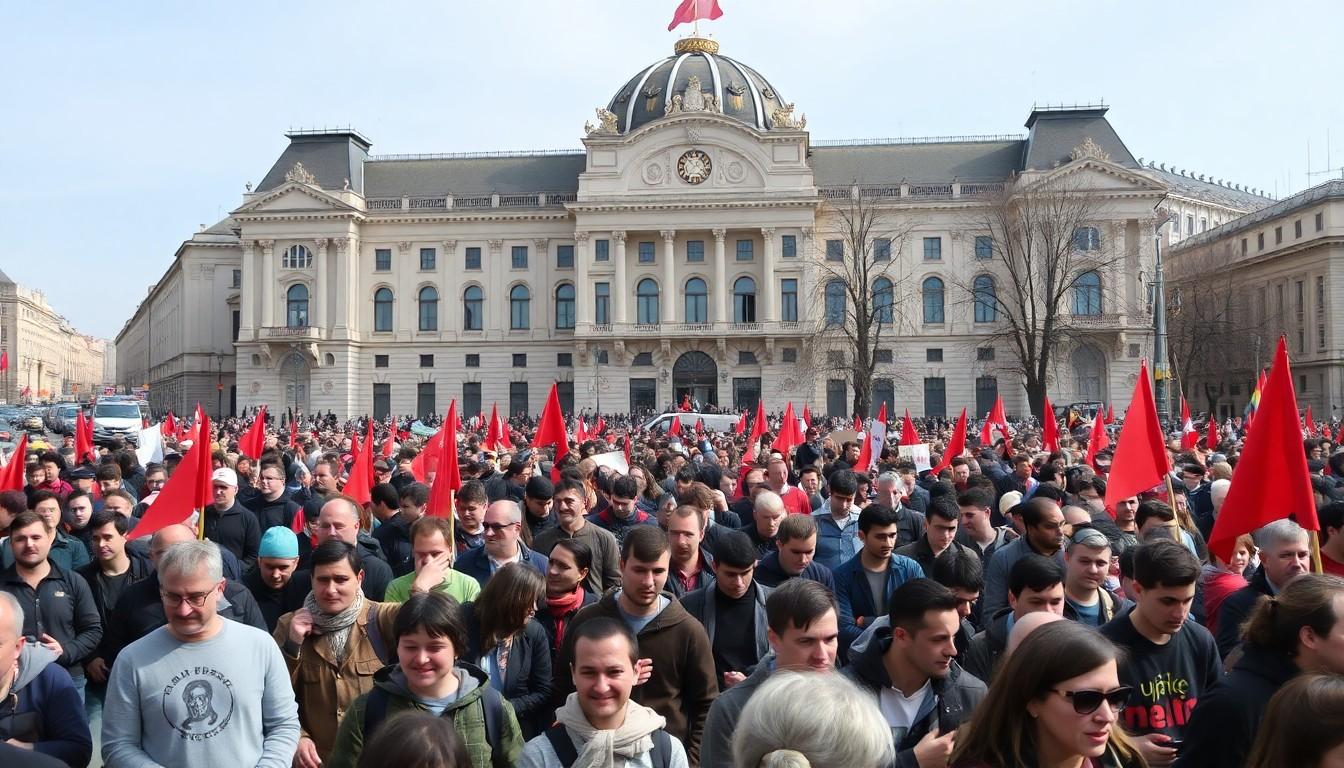
Shoppers, students and grandparents joined tens of thousands on the streets of Bucharest and Sofia, marching for legal recognition of same-sex civil partnerships , a striking show of strength in countries where conservative politics and church leaders have cranked up anti-LGBTQ+ rhetoric. This surge matters: it puts pressure on governments long ranked low for LGBTQ+ protections, and it felt every bit as colourful and determined as it looked.
Essential takeaways
- Massive turnout: Tens of thousands marched in Bucharest and Sofia, signalling broad public support beyond usual activist circles.
- Clear demand: Organisers and participants focused on legal recognition of same-sex civil partnerships , not just visibility.
- Political headwinds: Conservative parties and religious leaders have intensified opposition, making these rallies both protest and protection.
- Legal gap: Romania and Bulgaria remain near the bottom of EU lists for LGBTQ+ legal protections, especially around civil status and inheritance.
- Practical mood: The marches mixed celebration with urgency , upbeat music, banners, and conversations about healthcare, marriage rights and everyday dignity.
Why these Pride parades felt different this year
The energy in the capitals was immediate and tactile , a hum of chants, drums and colourful flags that made the stakes plain. According to reports, the events weren’t mere parades but large-scale rallies calling specifically for civil partnership recognition and equal access to services. That focus gave the marches a political edge and a practical aim.
Organisers framed the events as both celebration and strategy. In Bucharest, Accept organised a march with clear messaging about legal steps needed for same-sex couples. In Sofia, the event combined solidarity and demands after years of increasingly hostile rhetoric from some political and church figures. The mix of joy and resolve made it obvious: this is a rights campaign, not a one-day festival.
How politics and the church shaped the backdrop
Conservative parties and religious leaders have been vocal opponents, and their rhetoric has hardened the debate. That opposition hasn’t silenced supporters , if anything, it sharpened mobilisation. Reuters and other outlets noted that counter-protests and nationalist sentiment have increased, which turned the marches into acts of civic defiance as much as pride.
Campaigners say the backlash explains the urgency. When public figures question basic protections, ordinary couples start worrying about inheritance, hospital visits and legal recognition of long-term commitments. That fear fuels turnout and shapes the message into something voters can relate to.
Legal picture: where Romania and Bulgaria sit in the EU
Independent indexes and NGOs show Romania and Bulgaria lagging on legal protections for LGBTQ+ people. ILGA-Europe’s Rainbow Map still places both countries near the bottom of EU rankings for civil rights, and recent commentary highlighted gaps in civil partnership recognition, adoption, and healthcare access protections.
That gulf between public support on the streets and the legal framework in parliaments is the campaign’s central target. Activists are pushing for incremental wins , civil partnerships that bring inheritance and hospital visitation rights, rather than immediately demanding full marriage equality. It’s a pragmatic path that could yield real change sooner.
What marchers actually want , and how to read their priorities
Many attendees were explicit: they want legal certainty. That means civil partnerships that guarantee inheritance, next-of-kin status in healthcare, and basic social security rights. The messaging from Bucharest and Sofia wasn’t abstract; it was about paperwork and protection, the small but crucial parts of life that make relationships secure.
If you’re trying to measure momentum, watch for legislative proposals or court cases in the months ahead. Local NGOs expect a mix of legal challenges and political campaigning, paired with public education about what civil partnership laws would actually change in people’s daily lives.
What this means for the wider European conversation
These rallies aren’t isolated. They feed into a continental debate about LGBT rights in the EU, where some countries are pressing forward while others push back. Spain’s return to the top of ILGA-Europe’s rankings and other shifts show the map is still moving. The Bucharest and Sofia turnouts will be noticed in Brussels and among diaspora communities.
Expect international NGOs and European institutions to amplify calls for reform, and local activists to use the momentum to push concrete proposals. It’s a reminder that rights don’t just arrive , they’re won by steady pressure, public visibility and legal strategy.
It's a small change in law that could make every relationship legally safer , and these crowds made clear they won't stop until it happens.
Source Reference Map
Story idea inspired by: [1]
Sources by paragraph: