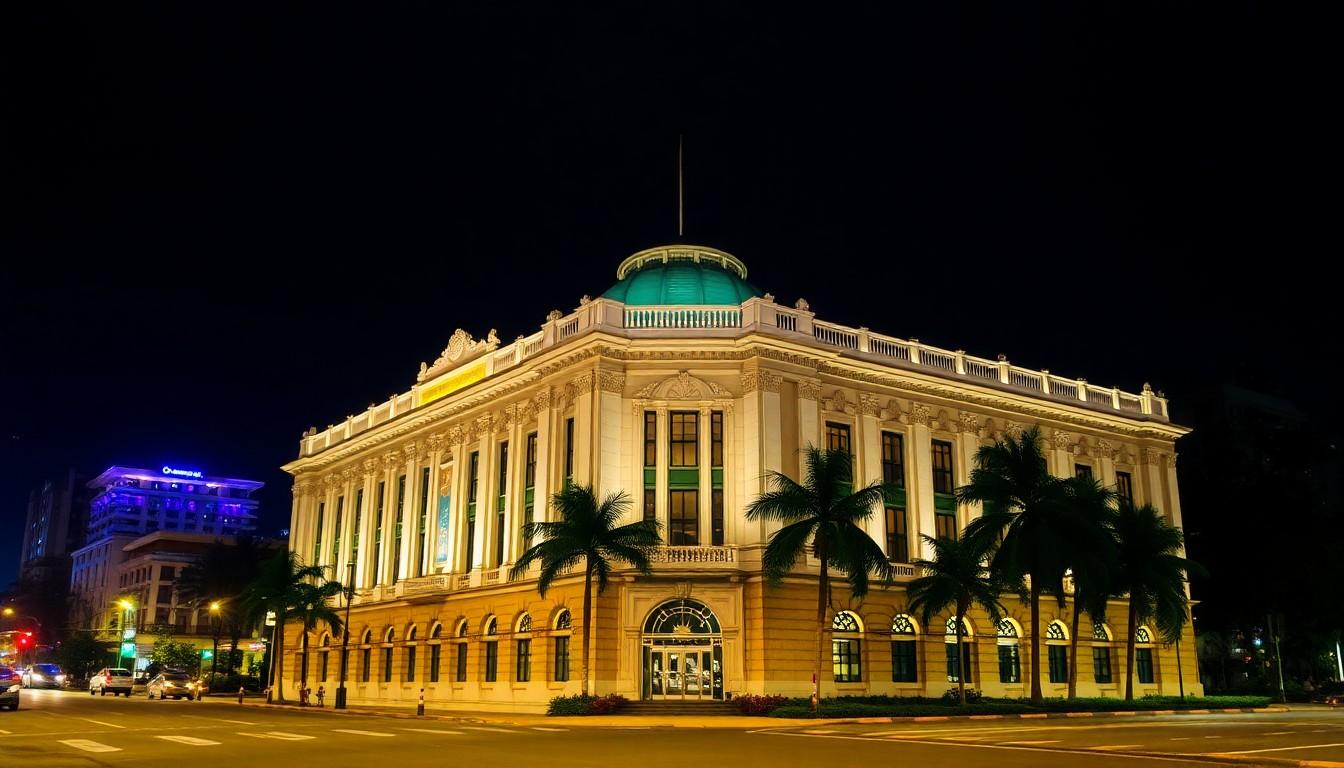
Shoppers, neighbours and activists are tuning in as Quezon City launches QC Pride Talks , a Ted-style forum led by Mayor Joy Belmonte that puts queer rights centre-stage, gathers lawmakers and advocates, and aims to turn conversation into concrete local policy and everyday change.
Essential Takeaways
- Landmark launch: Quezon City held its first-ever QC Pride Talks to spotlight LGBTQIA+ rights and public policy in a forum format.
- Notable speakers: Panels featured Mayor Joy Belmonte, former Representative Geraldine Roman and Akbayan Representative Percival Cedana, among activists and community leaders.
- Open conversation: The event emphasised frank, action-oriented discussion , described as “no holds barred” by the mayor.
- Local focus: Sessions connected national advocacy to city programmes, including initiatives on recognition, education and graduation rights.
- Community tone: The talks blended policy detail with personal testimony, making rights feel immediate and practical.
A bold civic stage for queer stories and policy
Quezon City framed the Pride Talks as more than a feel-good panel; it was a civic opening where people spoke plainly about discrimination, recognition and the everyday barriers queer residents face. The room carried a mix of urgency and warmth, with speakers sharing policy ideas alongside personal experiences that made the issues feel human and immediate. According to the city’s announcements, organisers intentionally modelled the format on TED-style talks to keep things punchy and audience-friendly.
The launch reflects a civic leadership choice to normalise public conversations about sexual orientation and gender identity. For residents who’ve long felt sidelined, the event signalled recognition; for policymakers, it was a forum to translate rhetoric into concrete programmes. If you live in Quezon City, it's the kind of local initiative that can change how services, schools and workplaces respond to queer people.
Who spoke and why their presence mattered
Speakers included Mayor Joy Belmonte, former Congressman Geraldine Roman and Akbayan’s Percival Cedana, among others from the LGBTQIA+ advocacy scene. Their presence gave the event both political weight and a cross-section of perspectives: elected officials outlining possible policy moves, and advocates pushing for accountability and enforcement. Geraldine Roman’s participation in particular underlined visibility , she brings lived experience as a trans woman who’s worked in national politics.
Events like this serve a dual purpose: they inform the public and they map the terrain for future advocacy. When policymakers hear testimony in a public forum, proposals are easier to shape into ordinances and programmes. For attendees, the combination of personal testimony and policy talk makes possible next steps feel tangible.
From conversation to municipal action: what to watch next
Quezon City has already rolled out LGBTQIA+-focused programmes in other areas, so the Pride Talks look set to plug into existing city work on recognition and rights. Expect follow-ups that could include local ordinances, administrative guidance for city services, and education initiatives aimed at schools and workplaces. The format was designed to encourage concrete commitments rather than vague promises.
If you want to follow progress, look for city statements and programme pages that track policy proposals emerging from the talks. Local campaigns often move fastest when residents keep up pressure and suggest practical fixes , for instance, simple administrative forms or anti-discrimination training that a city office can implement without a long legislative process.
Why community visibility still matters on the ground
Public forums do more than announce policy intentions; they change the social weather. For queer youth, parents and allies, seeing officials and community leaders speak openly builds a sense of permission to be visible. The Pride Talks blended testimony and technical detail in a way that makes advocacy accessible: you could hear a legal question followed by a personal story, which is exactly how change gets grounded in lived reality.
That said, community organisers will be watching for follow-through. Visibility is only part of the equation , it’s enforcement, accessible services and safe schooling that make rights real. The city’s previous programmes on graduation rights and recognition create useful precedents, but activists are clear: talk must lead to tangible protections and resources.
How residents can get involved and keep momentum
Attend public sessions, follow the city’s web updates and share concrete policy ideas with council members. If you’re part of a school, workplace or barangay, start conversations about inclusive rules and simple changes , like gender-neutral facilities, anti-bullying protocols and administrative respect for chosen names. Small, practical steps add up faster than waiting for national legislation.
If you want to help practically, sign up for community consultations, volunteer with local groups or simply amplify stories from the Pride Talks on social media. Civic attention shifts policy, and sustained community pressure is what turns speeches into services.
It's a small civic shift with potentially big outcomes , keep watching, get involved, and push for practical changes that make rights meaningful.
Source Reference Map
Story idea inspired by: [1]
Sources by paragraph: