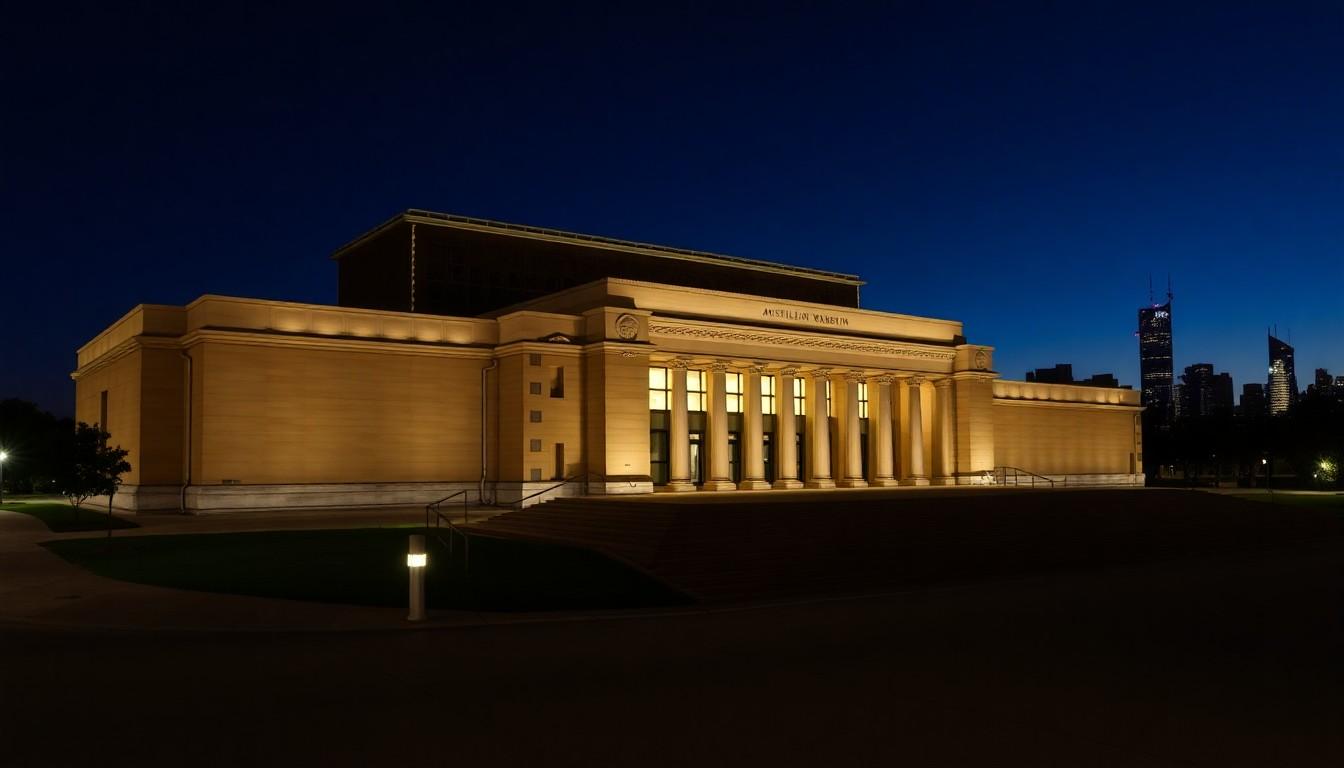
Shoppers of culture and curious minds are heading to the Australian Museum for a Pride Month after‑hours that pairs queer history with creepy-cool science; Bloodsuckers After Dark: Pride Night on 24 June offers exhibition access, a themed panel and a laid-back bar , here's what to expect and why it matters.
Essential Takeaways
- Event basics: Nighttime session runs 6pm–9pm for 18+ and includes entry to Bloodsuckers: Nature’s Vampires, plus a bar service.
- Panel focus: Conversation uses vampire mythology to explore blood, stigma, HIV/AIDS history and queer visibility.
- Speakers: Hosted by Anton Enus, with former museum director and 78er Frank Howarth and academic Leigh Boucher.
- Exhibition vibe: Immersive, slightly gothic but scientific , models, specimens and interactives that feel tactile and a little eerie.
- Tickets & cost: Priced roughly $17–$24, depending on concessions and booking options.
Why queer history and blood-feeding creatures make sense together
Start with the image: a dim gallery, big models of vampire bats and the soft hum of exhibits, while a conversation about identity and stigma unfolds , it’s oddly fitting and quietly powerful. The Australian Museum is using its Bloodsuckers exhibition as a lens to talk about how metaphors of blood and contagion have shaped attitudes toward difference. That linkage isn’t just theatrical; it’s historically and culturally resonant, particularly given the legacy of the HIV/AIDS crisis in Australia.
The idea grew from the museum’s large-scale Bloodsuckers show, developed by the Royal Ontario Museum, which blends natural history with pop culture. Organisers have leaned into that crossover to stage an event where science and social history can meet in an accessible way. If you’re into museum nights that treat learning like an experience rather than a lecture, this is pitched perfectly.
What the panel will cover , and why it matters
According to the event brief, the panel titled Bloodlines: Horror, Desire and the Politics of Blood will unpack how fear, stigma and imagery around blood influence public perception of disease and marginalised communities. Expect discussion of the HIV/AIDS epidemic, shifts in queer visibility and the ways institutions preserve stories that were once sidelined.
Anton Enus facilitates the conversation, bringing a broadcaster’s clarity, while Frank Howarth provides lived history as a 78er and former museum director. Macquarie University’s Leigh Boucher offers academic rigour on HIV/AIDS research in Darlinghurst. Together they’ll map emotional terrain , shame, survival, belonging , and connect it to the literal biology of blood explored in the exhibition.
The Bloodsuckers exhibition, more than gothic props
Bloodsuckers isn’t all spooky atmosphere; it’s education with flair. The show contains more than 100 objects and specimens, large-scale models and digital interactives that explain how blood-feeding evolved and how species coexist with humans. You’ll see vampire bats, leeches, candiru catfish and parasites up close, and the displays tend to balance a deliciously creepy aesthetic with clear biology.
If you’ve been to late-night museum events before, expect hands-on moments and immersive installations that are easy on the senses , some exhibits are bold and dramatic, others are quietly fascinating. The evening format makes it friendlier for conversation and reflection, and the bar service helps keep the mood social rather than clinical.
Who should go and practical tips for the night
This is aimed at adults who want culture with context , LGBTQIA+ attendees and allies, history buffs, science fans and anyone curious about how metaphor shapes public life. It’s also good for people who prefer museums outside regular hours when galleries feel calmer and more intimate.
Practical tips: buy tickets in advance to secure your timeslot; bring ID for the 18+ requirement; arrive early if you want quieter time with exhibits before the panel; and wear comfortable shoes , the exhibition is immersive and you’ll be on your feet. If you or a guest are sensitive to gore or clinical imagery, check the museum’s content notes beforehand.
What this says about museums, memory and risk
Events like this show museums stepping beyond display cabinets into civic conversation. According to the museum’s framing, there’s a deliberate effort to document queer history alongside natural history, reframing once-stigmatised topics through both scientific and social lenses. That shift matters: it helps normalise stories that were marginalised and offers fresh ways to engage audiences.
If nothing else, it’s a neat reminder that cultural institutions can be playful and serious at once , a place for curiosity, cocktails and conversation. And yes, your curiosity about mosquitoes, vampires and queer history will probably be rewarded.
It's a small evening that promises thoughtful connection , book a ticket and bring a friend.
Source Reference Map
Story idea inspired by: [1]
Sources by paragraph: