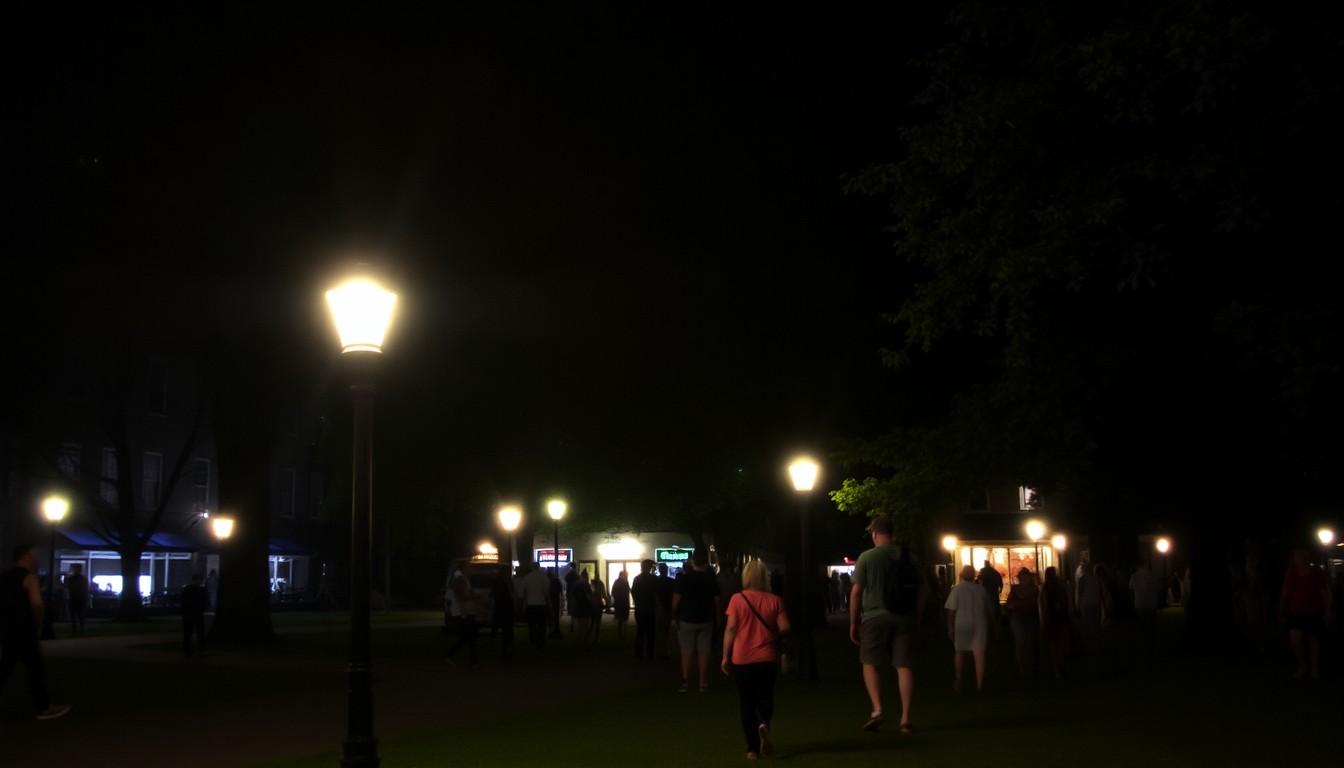
Shoppers are turning out for more than parties , New Yorkers are revving up Pride weekend with two spirited, political processions: the NYC Drag March on Friday evening and the 34th NYC Dyke March on Saturday. Both events are accessible, activist-leaning, and rooted in community history, so they matter far beyond a parade route.
Essential Takeaways
- When and where: Drag March meets at Tompkins Square Park at 7 p.m. on June 26 with an 8 p.m. march to the Stonewall Inn; Dyke March starts at Bryant Park at 5 p.m. on June 27 and walks down Fifth Avenue to Washington Square Park.
- Accessibility: Both events list ASL interpretation, wheelchairs, and sighted guides; the Dyke March also offers transportation funds for disabled or ill participants.
- Political edge: The Drag March carries the “DRAG IS NOT A CRIME” message in response to anti-drag laws; the Dyke March theme “Hot Dykes Melt Ice!” criticises ICE and highlights immigration policing.
- Open invitation: The Drag March is famously rowdy and inclusive; the Dyke March welcomes anyone who identifies as a dyke and centres community safety.
- Practical note: Arrive early for best sightlines at Tompkins and Bryant Park, bring water, and expect loud music, colourful costumes, and plenty of chants.
A noisy, defiant warm-up: why the Drag March still matters
The Drag March feels like a flashlight turned on drag’s resilience; the crowd hums with excitement and a touch of righteous fury. According to organisers, marchers gather at Tompkins Square Park and step off toward the Stonewall Inn, keeping the spirit of queer dissent alive. The event began in the mid-1990s as a grassroots response to commercial Pride and has retained its rowdy, DIY personality. In recent years organisers and participants have leaned into protest rhetoric , the “DRAG IS NOT A CRIME” imagery speaks directly to a wave of state laws aimed at restricting drag performances. If you want to see community solidarity in motion, this is it.
Accessibility and safety: real provisions for real people
Both marches have put practical supports front and centre, which tells you something about how organisers think. The Drag March lists ASL interpretation and wheelchair access; the Dyke March goes further with sighted guides and transport funds for people who are disabled or ill. These are not token gestures , they matter for participation. If you rely on interpretation or mobility aids, check the marches’ official pages before you go and arrive early so volunteers can help you get positioned comfortably.
Politics on the march: from anti-drag laws to ICE criticism
Expect political messaging to be front and loud. The Drag March has adopted graphics protesting laws in states like Florida, Texas and Arkansas that have been used to target LGBTQ performers; organisers frame the march as both celebration and defence of performance art. The Dyke March’s “Hot Dykes Melt Ice!” theme turns the spotlight on immigration enforcement, underscoring how queer liberation and immigrant rights often overlap. Both marches are reminders that Pride remains political for many , it’s celebration wrapped with protest.
How to watch, join or plan your day
If you want to join, remember these basics: show up early, wear comfortable shoes, and bring a bottle of water. For spectators, good vantage points are along the march route , Tompkins Square Park and the Stonewall block for the Drag March, and Fifth Avenue or Washington Square Park for the Dyke March. If you need accessibility accommodations, consult the organisers’ sites for detailed info and contact points. And if you’re taking photos, be mindful: these are community-driven events, not staged performances, so always ask before photographing someone up close.
What this weekend says about Pride in 2026
There’s a mix of celebration and defence in this year’s programming that feels fitting for the moment. Organisers are protecting space for expression while also sharpening political critique, from opposing anti-drag laws to calling out harsh immigration tactics. That blend keeps Pride from becoming purely commercial , it’s still, for many people, a moment of public refusal and solidarity. Expect colour, sound, and plenty of feeling.
It's a small change that can make every march more inclusive and every chant more meaningful.
Source Reference Map
Story idea inspired by: [1]
Sources by paragraph: