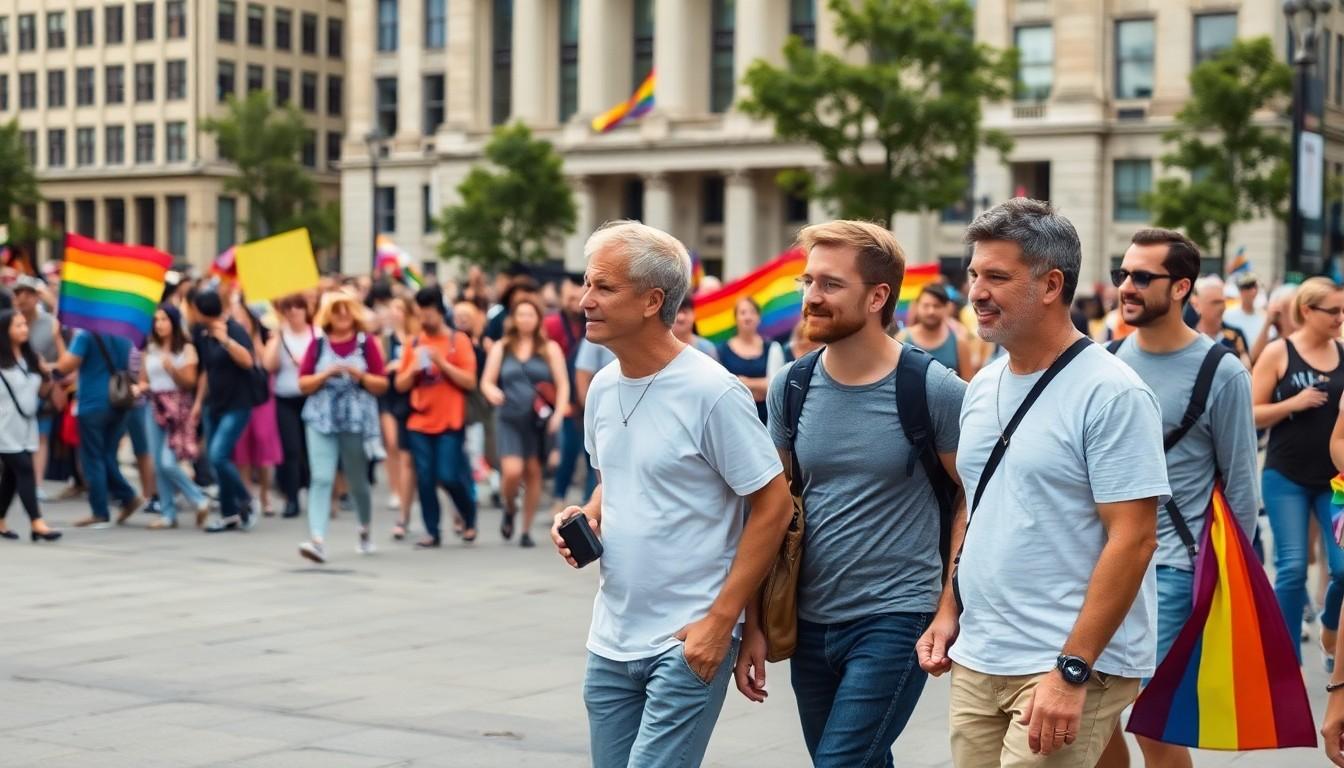
Shoppers, organisers and activists are rethinking Pride: who shows up, what it stands for and whether parties and protests can coexist. Across cities from New York to Naples, debates over sponsorship, inclusion and geopolitics are reshaping how communities mark Pride , and why that matters for rights and safety.
Essential Takeaways
- Historical roots: Pride grew from radical protest, not neutral celebration, and still carries a sharp activist edge.
- Internal fractures: Tensions over corporate sponsors, trans and racial inclusion, and policing often split organisers and attendees.
- External threats: The rise of far-right and anti‑gender politics is tightening the stakes for Pride as both party and protest.
- Alternative spaces: Trans, Black and explicitly anti‑racist or anti‑genocide Prides offer refuge and political clarity for marginalised groups.
- Organiser dilemma: Balancing celebration with a clear political strategy is increasingly urgent to protect rights and values.
Pride began as a fight, not a festival
The loud, colourful parades you see now trace back to angry, urgent streets. According to histories of the movement, early Pride actions sprang directly from the Stonewall era and its follow‑on demonstrations, which were organised as a political response rather than a community picnic. That origin explains why Pride retains a raw, sometimes confrontational energy, even when floats and DJs soften the edges. If you feel a current of protest beneath the confetti, you’re noticing a through‑line that historians and community groups still point to.
Corporates and police: why some people walk away
In town halls and planning committees, the question of who pays for Pride has never been neutral. Coverage of recent events shows many parades accepted corporate funding and police participation, which some see as normalisation and even neutering of a once‑radical space. Others argue those partnerships bring safety and resources. The result is a patchwork: some organisers lean into sponsorship, while others , especially community groups centred on trans, Black or disabled people , have split off to create events that refuse corporate logos and policing.
Far‑right pressure is changing the stakes
Across several countries, the rise of anti‑gender and far‑right movements is making Pride more than a cultural ritual; it's a front in a political battle. Reports from recent years show clashes at events and organised attempts to intimidate LGBT+ spaces. That external hostility, combined with policy shifts in places like the US, leaves organisers juggling security concerns and the need to mobilise politically. For many attendees it isn’t just about joy , it’s about defence.
Alternative Prides: refuge, visibility, and sharper politics
When mainstream Pride feels exclusionary, alternative events have stepped in. Trans Pride, Black Pride and explicitly anti‑racist or anti‑genocide Prides are growing because they provide visibility and a platform for issues sidelined in larger parades. These events tend to centre marginalised voices and demand intersectional politics rather than broad, commercialised unity. They’re smaller but often feel more purposeful, and attendees say that sense of focus , of being seen and heard , matters more than a big crowd.
Global flashpoints: when geopolitics meets rainbow flags
Pride is not immune to global politics. Debates over international conflicts, for instance, have spilled into Pride line‑ups and organisers’ decisions. Coverage of recent years documents how solidarity politics , pro‑Palestinian actions or condemnations of state violence , have prompted sharp splits and even new events that explicitly oppose genocide or occupation. For many activists, taking a side reflects Pride’s history of aligning with broader struggles against oppression; for others, it ruptures a fragile coalition trying to defend hard‑won rights.
How organisers can navigate celebration and struggle
Organisers face a simple but brutal choice: try to be everything to everyone and risk fracturing, or set clearer priorities and accept that some will walk away. Practical moves can help. Be explicit about sponsorship rules, create protected spaces for marginalised groups, publish security plans, and decide publicly whether politics beyond LGBT+ rights will be part of the agenda. Community consultations and transparent governance reduce surprises and build trust. In short, clarity beats nostalgia for a falsely unified past.
It's a small change that can make every Pride safer and truer to the people it aims to serve.
Source Reference Map
Story idea inspired by: [1]
Sources by paragraph: