Shoppers are turning to queer-angled horror for fresh chills as Adrian Chiarella’s Leviticus lands in wide release; the Australian film’s bleak visuals, slow-burn dread and pointed themes make it a summer pick for viewers who want horror that feels personal and politically alive.
Essential Takeaways
- Mood-forward filmmaking: Leviticus favours a dusky, yellow-lit palette and a steady electronic hum, creating a pervasive sense of isolation and malaise.
- Queer protagonists at the centre: The story follows two gay teens in a conservative regional town, making sexuality and belonging core to the dread.
- Horror as metaphor: The film uses supernatural attack and doppelgängers to explore themes like conversion therapy and institutional failure.
- Tension over relief: The movie leans into sustained paranoia and sorrow rather than offering frequent levity or catharsis.
- Broad release potential: Backed by Neon, Leviticus is poised to reach mainstream audiences and could open doors for more queer voices in genre cinema.
A striking look: why the film’s visuals set the mood
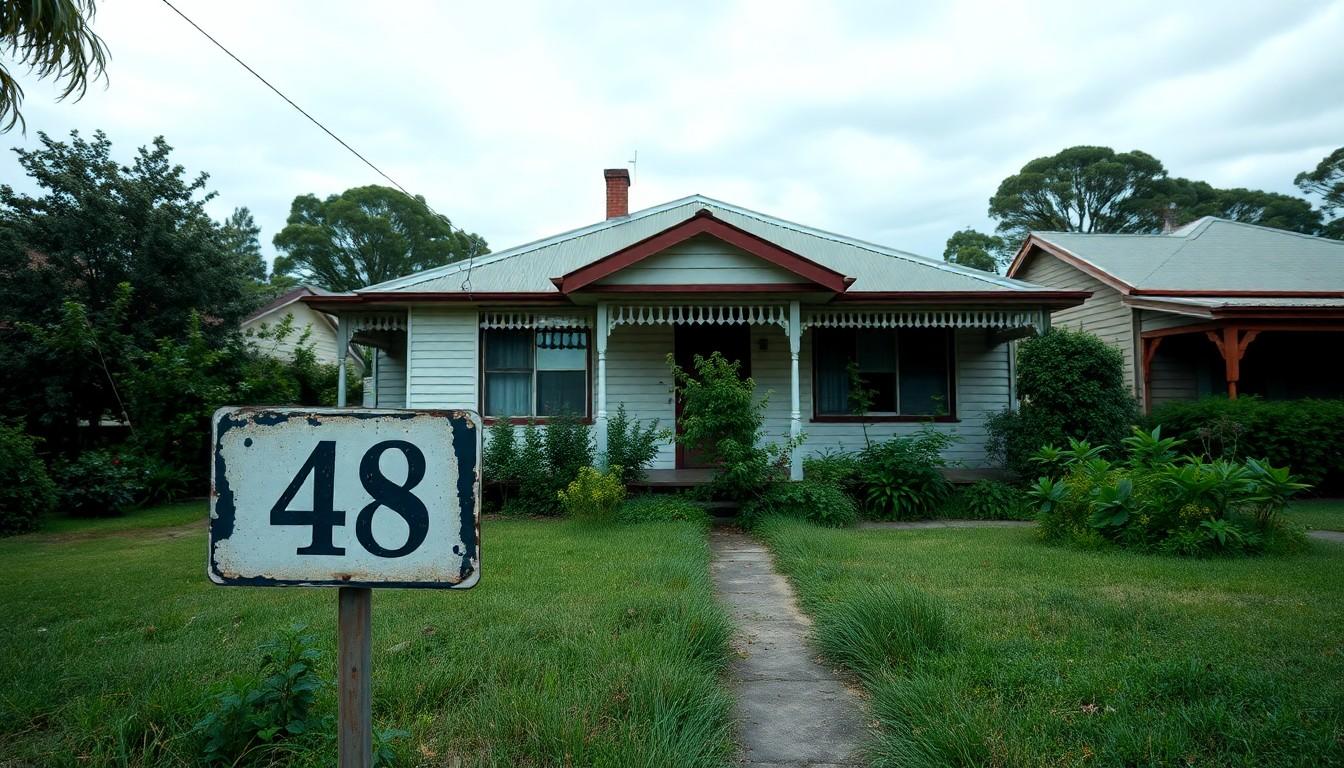
Leviticus hits immediately with a visual signature , sickly yellows, industrial backdrops and a quiet, dusty air that feels tactile. According to coverage, Chiarella deliberately set the film in a regional town built around a church and an industrial boneyard, which turns ordinary streets into a claustrophobic machine. The sound design matches that visual ache: a steady electronic buzz that makes even small moments feel charged. If you’re someone who notices texture and atmosphere, this is a film that lingers on the skin.
Two boys, one small town , human stories at the heart of the horror
The central relationship between Naim and Ryan drives everything here. They meet in a ruined mill, share cigarettes and secret kisses, and try to carve out private moments in public spaces that don’t want them. The setup is intimate and melancholic; when supernatural violence intrudes it reads less like a jump-scare trick than a brutal magnification of everyday homophobia. Reviews have noted that the film puts queer teens squarely at the centre, which feels both radical and sorely overdue in mainstream horror.
Conversion therapy and allegory , how literal is the metaphor?
Leviticus presents a preacher calling in a figure who places a spell on queer youth; the resulting doppelgängers attack and isolate. Many viewers will read this as a metaphor for conversion therapy and institutional violence, and Chiarella’s own choices steer you toward that interpretation. That said, the director has suggested alternative readings too, and the horror genre’s flexibility means the film doesn’t map neatly onto a single real‑world practice. The result is a haunted, ambiguous allegory , potent but not always tidy.
Tone and pacing: when mood becomes a double-edged sword
This film is committed to its gloom, and that commitment is both its strength and its weakness. By foregrounding paranoia and sustained dread, Leviticus creates an immersive emotional experience; yet some critics and viewers find the mood monotonous because moments of lightness are scarce. If you prefer horror that mixes catharsis with terror, be warned , this one lingers in the dusk. If, however, you’re drawn to films that let malaise accumulate until it snaps, Leviticus will feel satisfying and real.
Why wider release matters for queer horror
Leviticus arrives in wide release via Neon at a time when horror has shown it can turn small budgets into cultural phenomena. Recent successes have demonstrated that genre remains a route to visibility without needing mainstream stars. Getting a queer horror story into broad cinemas matters; it reminds audiences and distributors that queer perspectives can power genre storytelling. If Leviticus finds an audience, it could nudge the industry toward opening the door for more directors with similar voices.
It's a small change that could make a big difference for queer genre filmmaking.
Source Reference Map
Story idea inspired by: [1]
Sources by paragraph: