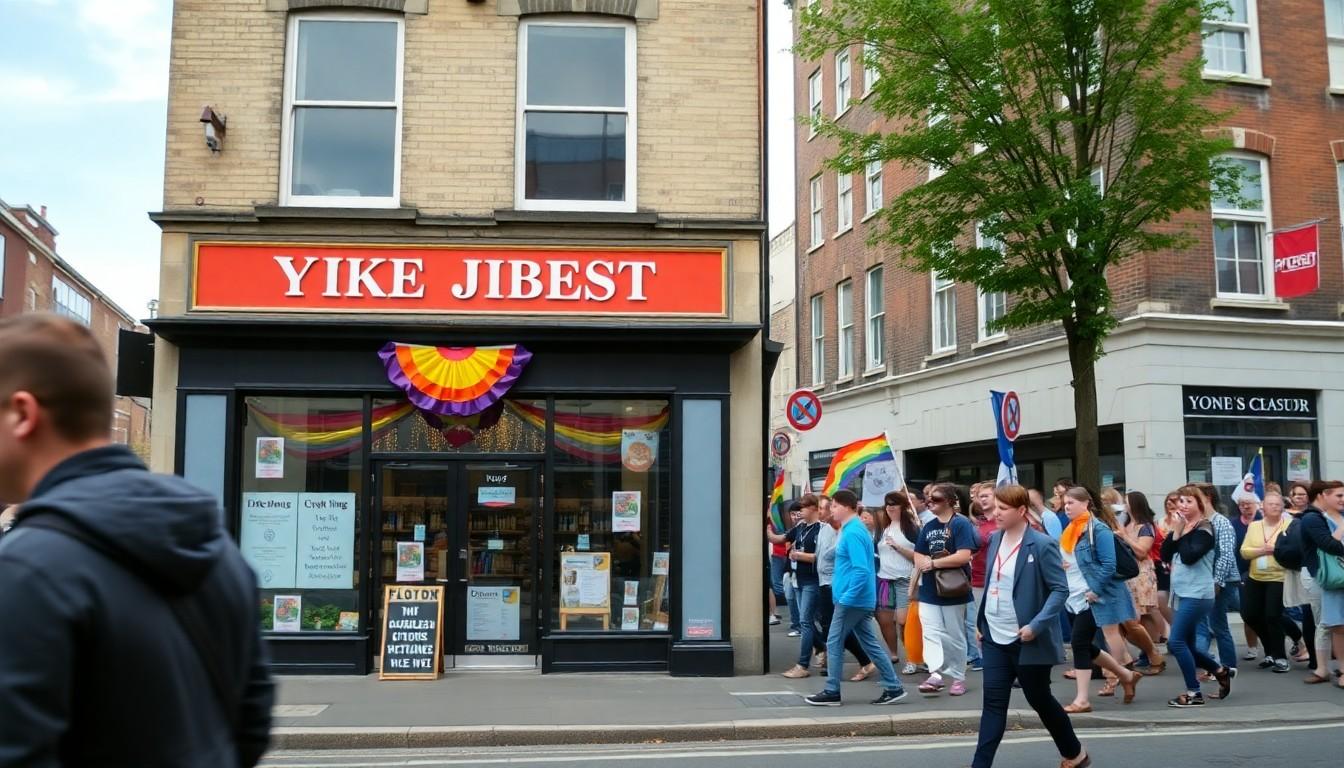
Shoppers, tourists and tube riders witnessed a wave of queer joy last Saturday as hundreds of dykes took over central London; the march was noisy, colourful and political, and mattered because it stretched visibility, solidarity and safety across the city.
Essential Takeaways
- Visible solidarity: Hundreds of marchers filled central London, waving flags and placards and sharing resources such as tiny zines.
- Joyful atmosphere: Samba drumming, cheers from open-top buses and honks from cab drivers gave the day a lively, communal energy.
- Political edge: Palestinian flags and anti‑TERF placards signalled clear political commitments alongside celebration.
- Community care: People passed water, complimented outfits and made sure newcomers felt welcome , practical compassion in action.
A day that looked like joy , and felt like resistance
Sunshine, samba and a steady beat turned central London into a braided ribbon of colour and sound, with drumming from the Samba Sisters Collective setting the tempo. Photographs show laughing faces, bright clothes and carabiners jangling on belts; there’s a tactile sense that this was a march you could hear coming down the street. According to local listings and event pages, the march was organised as a space by and for lesbians, queer women and gender‑diverse people, and the images made that purpose obvious.
This kind of visibility is political by design. DIVA’s coverage captured the intimacy of zines trading hands and the bluntness of placards reading “No terfs on our turf”, showing how celebration and protest coexist. If you’ve been to a protest where people also hand out water and hair ties, you’ll recognise the blend of care and urgency. For anyone thinking of attending future marches, bring sun cream, a refillable bottle and spare cash for zines , it makes joining that much easier.
Why marchers brought politics into the party
Photos from the day don’t hide the political signage: Palestine flags, solidarity slogans and firm anti‑exclusion messages were visible among the glitter and denim. This mix reflects a longer trend where Pride‑adjacent events are less about corporate floats and more about intersectional activism. The Guardian and local news have noted the rise in large‑scale political demonstrations in the capital this year, and the Dyke March fits into that pattern as a grassroots response to national debates about inclusion and rights.
That matters because public space is contested; marching together reclaims streets for communities who are often pushed to the margins. For organisers, it’s practical too: clear political framing helps volunteers plan safety teams, first aid stations and messaging to stewards. If you’re organising a contingent, agree key messages in advance and share contact details so everyone stays connected.
Crowd energy: from honks to tiny zines
One striking detail in the coverage is how everyday Londoners joined the chorus , open‑top buses waved, cab drivers honked, Lime bike riders chimed their bells. Those small acts of recognition turn a march from insular to citywide. The distribution of micro‑publishing like tiny zines also underlined how information still travels best hand‑to‑hand at these events.
This grassroots media matters because it spreads practical resources , helplines, community groups, even tips on dealing with police engagement. If you want to feel less like a tourist at your first march, look out for zipped pockets of zines and people wearing identifiable volunteer badges; they’ll point you to water and shade or answer questions about the route.
Safety and policing: what the images don’t always show
Photos are brilliant for mood, but they rarely capture the whole logistics picture. Recent ITV reporting described unprecedented police operations for large protests in London this spring and the arrest of participants at rival demonstrations. That context reminds us that even joyful marches need careful planning: stewarding, clear lines of communication with police and a resilient first‑aid plan.
Organisers have been adapting. If you’re attending, check the event’s social channels beforehand for safety briefings, pick a meeting point in case you get separated, and carry basic first‑aid items. And if you’re photographing the day, be mindful of consent , people have different comfort levels about images of them being shared online.
What the Dyke March signals about queer spaces in 2026
This year’s march felt like a statement that queer spaces aren’t a luxury but a necessity. The mix of celebration, political messaging and mutual aid speaks to a broader cultural shift: people want events rooted in community, not corporate sponsorship. DIVA’s long history as a media outlet for queer women and gender‑diverse people shows why that matters , these spaces sustain culture, activism and networks.
Looking ahead, expect more grassroots gatherings that blend joy with protest and prioritise accessibility. If you value queer media and events, consider supporting community outlets or volunteering at neighbourhood LGBTQIA+ groups; those small acts keep the next march possible.
It’s a small change that can make every march safer and every shout louder.
Source Reference Map
Story idea inspired by: [1]
Sources by paragraph: