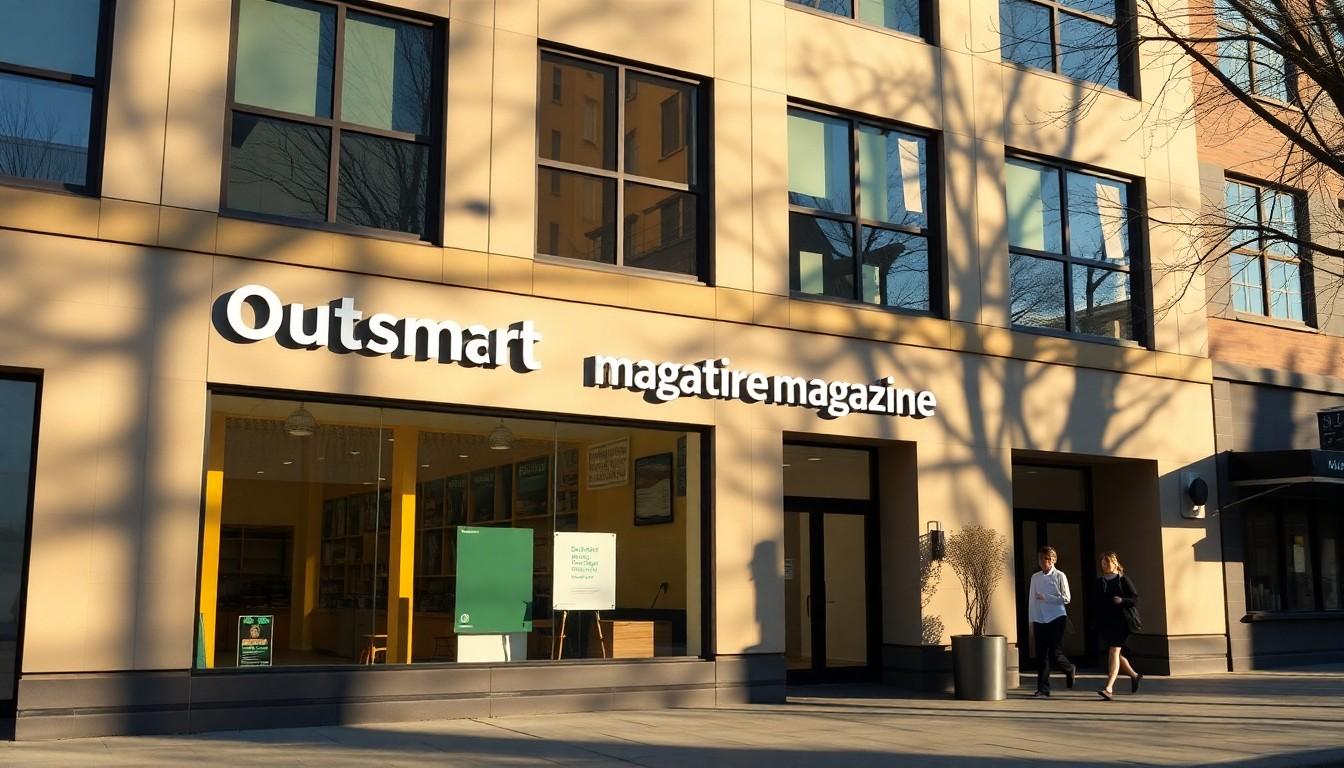
Shining a light: OutSmart magazine’s reporting on Houston’s removed rainbow crosswalks has won a 2026 Excellence in Journalism Award, highlighting who the story affected, what unfolded on the streets of Montrose, and why this kind of community-focused coverage matters now.
Essential Takeaways
- Award winner: OutSmart received a 2026 Excellence in Journalism Award from NLGJA for its November 2025 package on the Montrose rainbow crosswalk removal, recognised in the Excellence in Packaging, Print or Online category.
- What happened: The crosswalks at Westheimer and Taft were removed after an order from Governor Greg Abbott about “non-standardized” roadway designs; the act sparked protests and local organising.
- Coverage strengths: The package combined reporting, first-person narrative, photography, and creative direction to capture grief, resilience, and civic response.
- Community impact: For many in Houston’s LGBTQ community the crosswalks were symbols of visibility and remembrance, and their removal became a rallying point rather than silencing.
- Why it matters: The award emphasises the continuing need for nuanced local journalism on LGBTQ issues amid political and policy pressures.
A vivid local story that resonated nationally
OutSmart’s package landed at the right intersection of place and politics, literally and figuratively. Readers felt the scene: early-morning workers with power washers, paint scraped away, and neighbours watching with a mixture of anger and sorrow. According to local reporting, the removal followed an order framed as a safety and standardisation measure, but to Montrose residents it looked like an erasure of identity. The sensory detail in OutSmart’s feature , the smell of wet paint, the hush after the cleanup , helped make the story intimate and urgent.
How the reporting was put together
The winning work was a collaborative package: two reporters, distinctive photography, and strong art direction. OutSmart paired reportage from David Clarke and Brandon Wolf with photography by Nora Dayton and Dalton DeHart, and creative direction by Alex Rosa, creating a multimedia package that read like a neighbourhood chronicle. That approach mattered: NLGJA’s awards, established in 1993, reward storytelling that illuminates LGBTQ lives, and OutSmart’s mix of context, images, and voice fitted that brief perfectly.
The broader context: politics, safety claims and public reaction
The crosswalk removal wasn’t an isolated event. State-level orders about “non-standardized” roadway designs, as reported by regional press, set the stage and were cited by the governor’s office. For many, the policy rationale felt technical; for others, it was political theatre. Coverage in local outlets noted protests and grassroots organising that followed, showing how a small piece of public art quickly became a focal point for debates about visibility and local control. The package’s reporting placed the Montrose moment within that wider conversation.
Why visual storytelling mattered here
Photographs did more than illustrate; they anchored memory. Pictures of the painted stripes, of people gathering, and of the now-blank pavement carried emotional weight that words alone might not. Creative direction kept the package cohesive, turning individual scenes into a unified narrative about what it means to belong in a neighbourhood. For editors and journalists, it’s a reminder: when you’re covering symbols of identity, marry reporting with strong visual work to capture both fact and feeling.
Practical takeaways for readers and local news fans
If you care about community reporting, here are a few practical points. Support local outlets , subscriptions and donations keep teams on the ground. Look for reporting that bundles reporting, photography, and context rather than single quick updates. And when a symbolic civic item is contested, pay attention to the human stories behind the headlines; they’re often what make a piece award-worthy and impactful.
It's a small victory for local journalism, and a timely reminder that place-based stories still shape public life.
Source Reference Map
Story idea inspired by: [1]
Sources by paragraph: