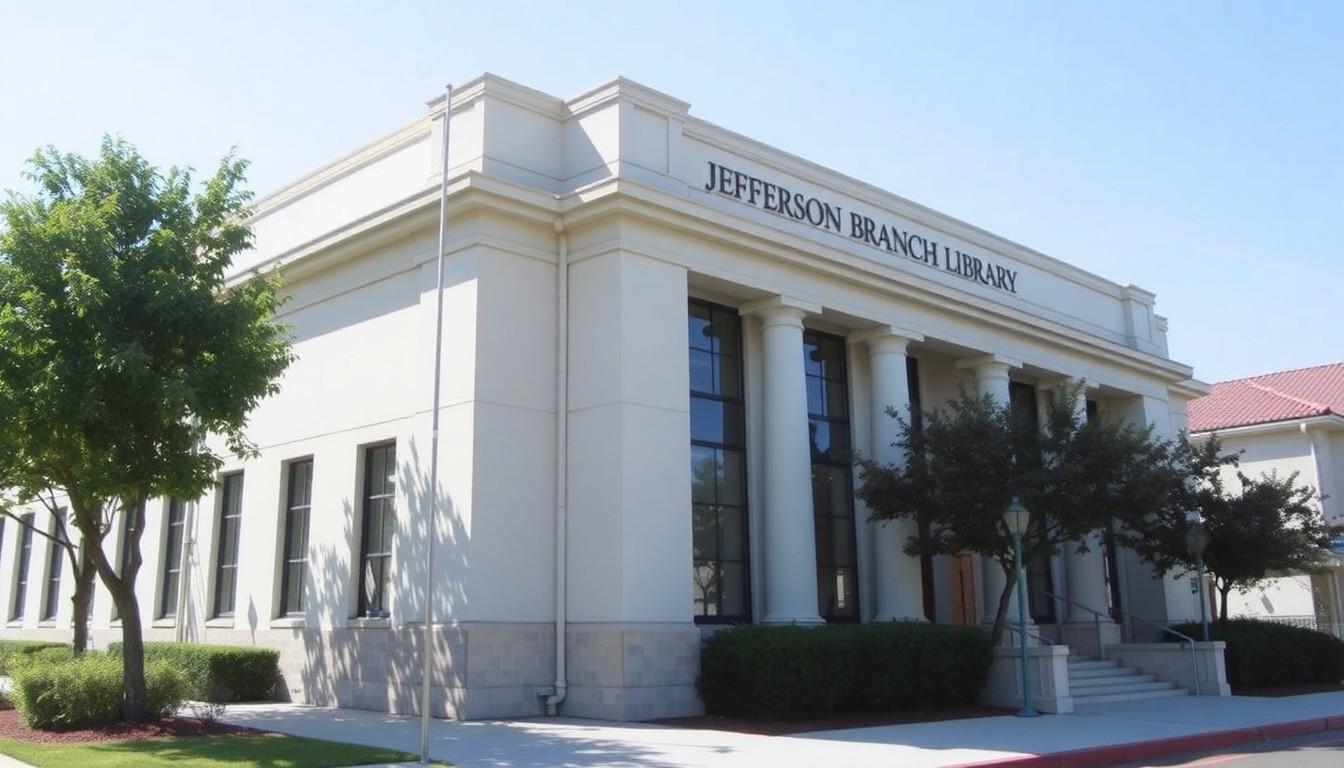
Shoppers are turning to hands-on culture this Pride Month as Pasadena Public Library invites local teenagers to a free Keith Haring workshop that mixes art, activism and a bit of history, perfect for 13–19 year-olds who want to learn Haring’s bold style and make their own message-driven pieces.
Essential Takeaways
- Free community event: The workshop runs 3–4 p.m. Tuesday, June 23 at Jefferson Branch Library, open to teens aged 13–19; supplies provided.
- Art plus activism: The session links Haring’s signature movement and colour to his work for LGBTQIA+ visibility and AIDS awareness.
- Local connection: Pasadena hosts Haring’s only Los Angeles public mural at ArtCenter College of Design’s Hillside Campus, a memorial and symbol of hope.
- Short, hands-on format: Expect a fast, guided studio-style hour where teens study pieces then create their own with an emphasis on message.
- Pride Month context: This workshop is one of six city Pride events, from flag-raisings to book groups and mixers.
Why this Haring workshop matters right now
There’s something immediately joyous about Haring’s work, the bold lines, dancing figures and a palette that reads loud even from across a room. According to Pasadena Public Library, the programme frames his art as a vehicle for LGBTQIA+ rights and visibility, which makes it more than a drawing class. For teens, that matters: it’s a chance to see how visual language can carry a social message, and to try translating personal ideas into simple, impactful imagery. If you’ve got a 13–19 year-old who likes graphic styles or cares about causes, this is the kind of hands-on session that sticks.
The local link: Haring’s mural in Pasadena
ArtCenter College of Design describes the mural on its Hillside Campus as Haring’s only public artwork in Los Angeles and a permanent memorial to artists lost to AIDS. He painted it in late 1989 and insisted it remain until AIDS was eradicated, a striking condition that underlines how committed he was to the cause. That local thread gives the library workshop extra resonance; teens can connect classroom practice to a real, nearby piece of public art. If you want to extend the lesson, consider a follow-up visit to ArtCenter to see the mural in person and talk about scale and site-specific work.
What to expect from the hour-long session
The workshop runs a concise 60 minutes, study, sketch, then make, so it’s lively rather than lecture-heavy. Organisers will supply materials, which makes it easy for families: just turn up and bring ideas. Techniques focus on movement, colour and simple figures, reflecting Haring’s efficient visual grammar that communicates emotion and action quickly. If your teen chews through projects fast, remind them this is a starter session, plenty of room to develop ideas later.
How Haring’s life shaped his art and the workshop’s theme
Haring began with subway chalk drawings and rose to become an ’80s icon; he was openly gay and used his art to push for AIDS awareness and safer sex. After his diagnosis, he founded the Keith Haring Foundation to support AIDS organisations and children’s programmes, so his practice was inseparable from activism. The library’s description of the workshop leans into that history, helping teens see art as both personal expression and a tool for social change. It’s a useful reminder that technique and message aren’t mutually exclusive, good for anyone thinking about art with purpose.
Practical tips if you plan to go
Arrive a little early to claim spots, space in teen workshops can fill fast even when free. Encourage your teen to bring a simple idea or phrase they care about; Haring’s best work started with strong, simple concepts. If you can, follow up with a trip to ArtCenter to see the Hillside mural; seeing work at scale changes how you think about composition and audience. And if your teen enjoys it, look for local groups or library programmes that continue the conversation through the rest of Pasadena’s Pride calendar.
It's a small, creative invitation that could spark a lasting interest in art and activism.
Source Reference Map
Story idea inspired by: [1]
Sources by paragraph: