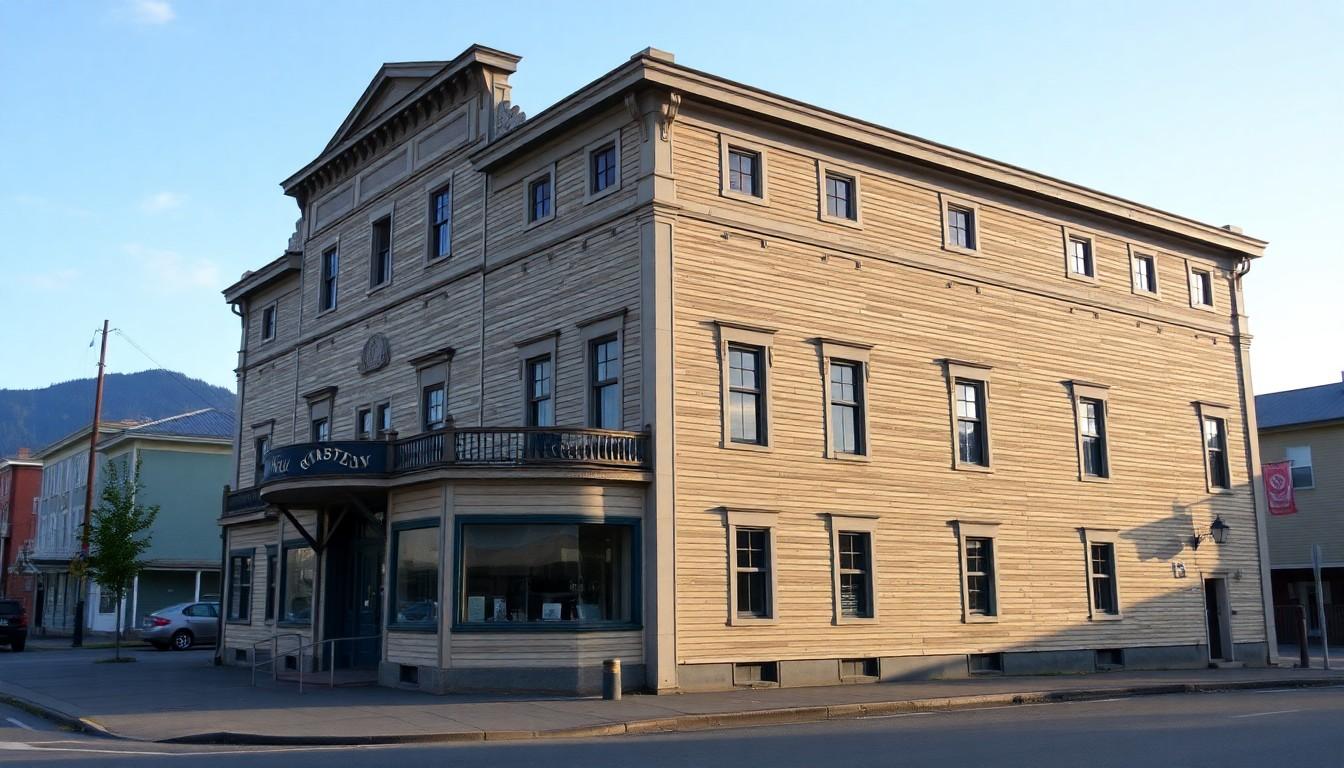
Shoppers and tourists have noticed a spat in Skagway: the Red Onion Saloon, a restored Klondike brothel-turned-museum, has stirred protests for declining to fly Pride flags this June, and the debate matters for visitors, staff, and anyone who cares about how history is presented.
Essential Takeaways
- Historic setting: The Red Onion Saloon dates to 1897 and operates as a museum and saloon with dramatic tours and period costumes.
- Owner's stance: New owner Tracy LaBarge says she wants to preserve a historically accurate display and insists the venue remains welcoming.
- Activist response: An organised LGBTQ coalition launched an online campaign and a Change.org petition demanding public apology, explicit affirmation, and permission to display Pride flags.
- Tension point: The venue is hosting a Pride Dance Night but activists say symbolic flag displays are a necessary, not optional, sign of inclusion.
- Practical cue for visitors: If visible support matters to you, check ahead , the museum’s programming and decorations may differ from expectations.
What actually happened at the Red Onion? A clear clash between past and present
The Red Onion Saloon, a restored 19th-century building that markets itself as both museum and nightlife spot, recently became the focus of protests after the owner declined to display Pride flags during June. The decision landed as a surprise for some, because the venue hosts regular drag shows and a scheduled Pride Dance Night later in the month. According to the owner’s public statement, the choice springs from a desire to present the building in ways that reflect its historical character while keeping the space welcoming.
Why flags matter: symbols, safety and signalling
For many in the LGBTQ community, a flag is more than decoration; it’s an immediate visual cue of welcome and safety. Activists argue that not flying Pride flags erases those signposts and can feel like a withdrawal of support, especially when staff and visitors have asked for visible affirmation. The petition organisers are asking for an apology, clear public affirmation, and permission to display flags , a list that shows they want concrete gestures as well as words.
The museum owner’s explanation , balancing authenticity and inclusion
LaBarge, who bought the business in 2024, has said the Red Onion’s mission is to preserve historical materials and to provide hospitality to everyone. That position echoes a wider conversation museums and heritage sites face: how to interpret contested or evolving histories while also addressing contemporary audiences’ expectations. Visitors who prize immersive, period-authentic settings may appreciate restraint; others will look for an explicit, modern-facing show of solidarity.
How other venues and communities have handled similar disputes
This kind of dispute isn’t unique. Across the US, venues have faced vandalism of Pride flags, staff disciplinary actions around flag displays, and public rows when symbols of inclusion are removed or withheld. Reporting by several outlets shows a tension between organisational neutrality and public expectations for brands to take visible stands. For owners and managers, the choice often comes down to safety, staff requests, and how visible symbols fit into a venue’s identity.
Visiting Skagway? Practical tips to decide whether to drop by
If you’re planning a visit, a quick call or a look at the Red Onion’s website and social feeds will tell you what to expect. If visible Pride symbols matter to you, ask about decorations and programming in advance. If you’re curious about the history, join a guided tour , the museum leans into theatrical storytelling and antique displays. And if you’re a local or staff member, consider what kinds of actions would feel meaningful: an open forum, pegged display dates, or staff-led statements might bridge the gap between preservation and advocacy.
It's a small cultural crossroads in a small town, and how it’s resolved will say a lot about how heritage sites balance history and the public signals communities now expect.
Source Reference Map
Story idea inspired by: [1]
Sources by paragraph: