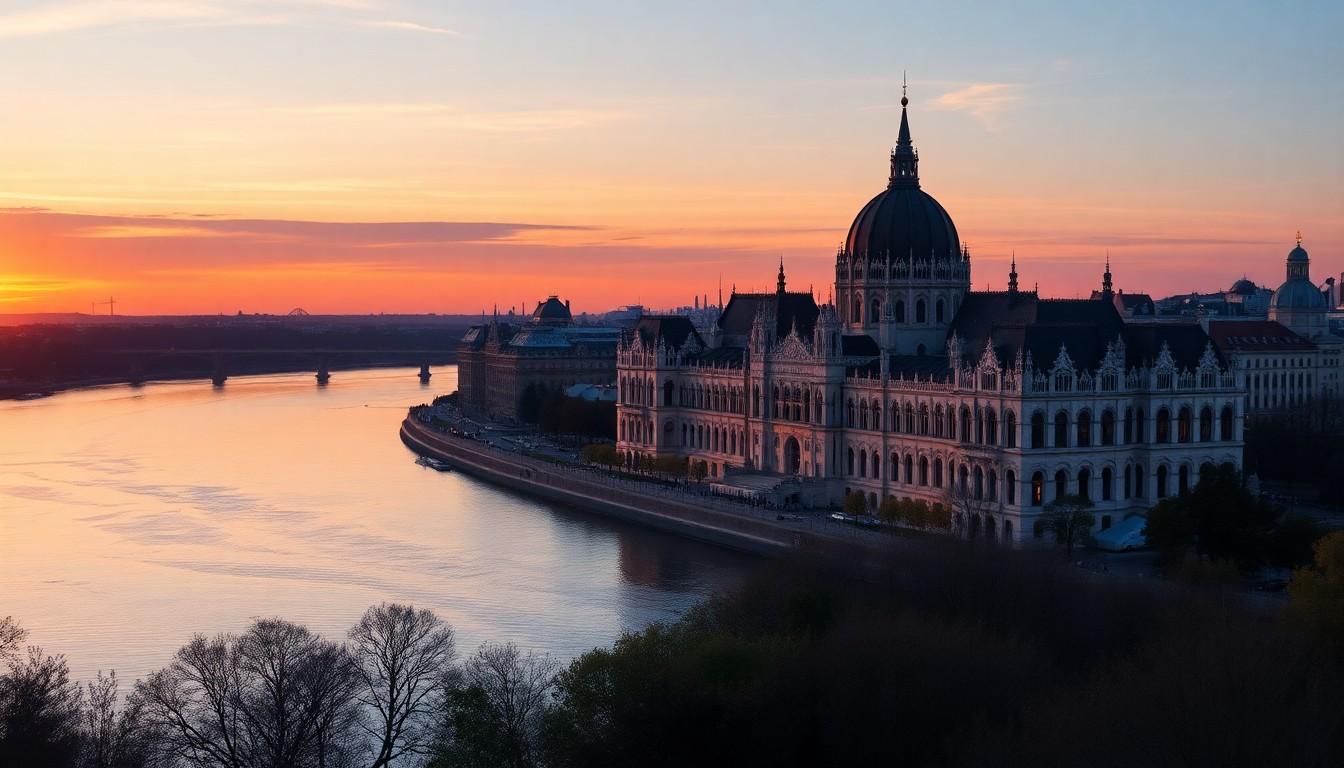
Shoppers of news might have noticed a diplomatic chorus: 36 embassies and eight cultural institutes in Budapest issued a joint statement at the start of Budapest Pride week, saying Pride is about free expression and peaceful assembly , and that everyone should feel they belong in Hungary.
Essential takeaways
- Broad diplomatic support: Thirty-six foreign embassies, including Austria, the UK, France and Poland, endorsed a joint declaration backing Budapest Pride and equal treatment.
- Cultural backing: Eight cultural organisations such as the British Council, Goethe-Institut and Instituto Cervantes signed the statement, adding a cultural voice.
- Rights emphasis: The statement highlights freedom of expression, peaceful assembly and non-discrimination, tying the message to international human rights standards.
- Context matters: This show of support comes as tensions over public visibility for LGBTQI+ events remain high in Hungary, and after recent incidents like missing Pride flags and public debate over organisers.
- Practical note: Budapest Pride remains active; check the official festival site for events and guidance if you plan to attend.
Diplomats step into a cultural debate , and it’s noticeable
The opening line of the embassy statement welcomed a government aim that “every Hungarian home” should feel inclusive, and that phrasing made the note both political and human. The gesture feels deliberate: diplomats and cultural institutes often avoid marching into domestic controversies, yet this statement was clear and public. It lands with a quiet, determined tone , imagine a formal letter saying, pleasantly but firmly, that freedom of assembly matters.
This isn’t just performative solidarity. According to local reporting, last year’s Pride saw record attendance, suggesting strong public interest that diplomats noticed. For readers, the sensory detail is simple: streets crowded, banners vivid, conversations loud and sometimes heated , and foreign missions saying those scenes deserve protection.
Why cultural institutes joined embassies
Institutions such as the British Council, Goethe-Institut and Instituto Cervantes rarely sign diplomatic communiqués for fun. Their presence signals that culture and education see Pride as more than a parade: it’s a platform for exchange, learning and openness. These organisations run events, exhibitions and language programmes , all spaces where inclusion matters to participation.
Think of it like this: when cultural spaces welcome everyone, audiences expand and programmes thrive. For would-be attendees, that means more talks, performances and safer communal spaces, while for organisers it means extra legitimacy and, sometimes, resources.
Tensions on the ground: flags, permits and politics
In recent weeks there have been flashpoints. Reports noted Pride flags disappeared from public spots such as a key bridge, and questions remain about how municipal and national authorities respond to visible LGBTQI+ expression. Local outlets have covered disputes over permits and public messaging, and at times the legal and political context has felt unpredictable.
If you’re planning to go, practical tips matter: follow official Budapest Pride channels for route updates, meet-up points and safety guidance; travel with friends if you can; and treat organisers’ instructions as the best source of real-time info.
How this fits into a wider European conversation
Across Europe, embassies sometimes issue joint statements to signal shared values when civil liberties are perceived to be at risk. This declaration joins that pattern: it references international human rights norms and the Universal Declaration of Human Rights as a framework. For readers, that’s useful context , it’s not merely about one festival, it’s about how countries engage with civic freedoms across borders.
Expect more diplomatic signalling if tensions rise: words like “dignity” and “non-discrimination” are chosen carefully and mean foreign missions are watching, not just commenting.
What organisers want and what attendees can expect
Budapest Pride’s official channels list full programming and practical info, from family-friendly events to marches and debates. Organisers have previously weathered legal challenges and scrutiny, but the festival keeps adapting , adding workshops, safe-space volunteers and clearer accessibility notes.
If you’re new to Pride in Budapest, arrive early, bring a charged phone, wear comfortable shoes and follow guidance from marshals. Your presence matters and, in crowded, noisy moments, small practicalities keep the day positive.
It's a small change that can make every parade and protest safer and more welcoming.
Source Reference Map
Story idea inspired by: [1]
Sources by paragraph: