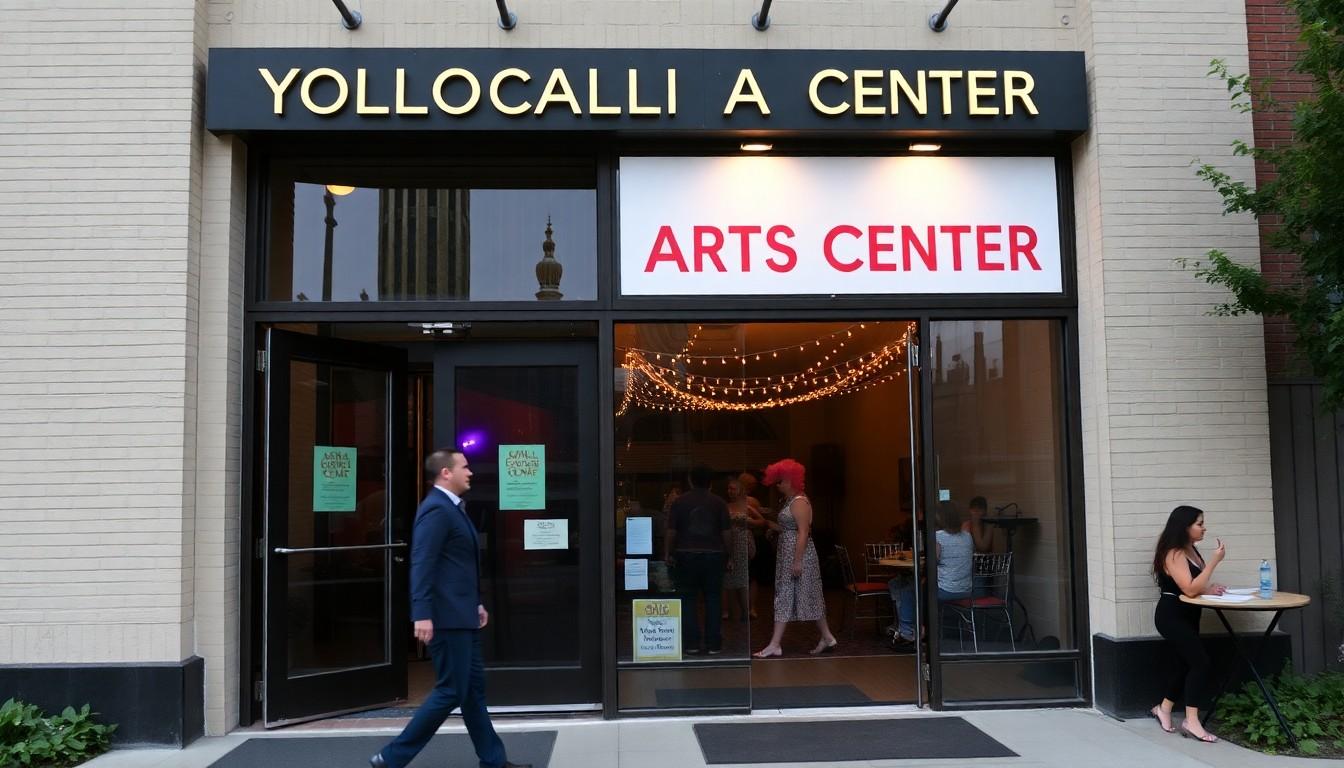
Bursting with colour and music, Candyland Prom brought queer Black and Latine youth together at Yollocalli’s Fire Station in Little Village, offering a joyful, safe night and on-site connections to health and youth services that matter.
Essential Takeaways
- What happened: Candyland-themed queer prom transformed the Yollocalli Fire Station into a bright, candy-coloured safe space for LGBTQ youth.
- Who organised: The National Museum of Mexican Art’s Yollocalli Arts Center led the event in partnership with CALOR, serving Latino communities.
- What it felt like: A lively, inclusive party, drag performances, face gems and a runway, paired with practical support tables and wellness info.
- Why it matters: The prom offers visibility, community and resources for queer young people amid a challenging political climate.
- Atmosphere details: Glittery, upbeat and welcoming; attendees took home memories, new connections and practical referrals.
A sweet, vivid night that felt like home
Candy-coloured set pieces, a thumping playlist and people beaming under glittery face gems made the Fire Station feel like a daydream. According to Yollocalli staff, the theme, picked by an intern inspired by a bright pop video, gave the space a playful vibe that helped attendees relax and connect. For many, it was more than a party: it was a rare chance to be seen and celebrated among peers.
How a museum-run prom became a Little Village tradition
The queer prom grew from the National Museum of Mexican Art’s youth programmes and has run for more than two decades, staff say. Yollocalli’s involvement has helped keep the event rooted in the neighbourhood, while the museum’s backing signals institutional support for queer youth of colour. Organisers note that having a familiar, respected host makes a big difference to families and young people who might otherwise feel excluded.
Parties with purpose: health and services on-site
This year’s prom wasn’t just music and crowns; hosts worked with CALOR to offer reproductive and sexual wellness resources and information from city youth services. Attendees could visit activity tables for face gems and jewellery making, and also meet people who could help with housing, education or health referrals. It’s a model of how celebratory spaces can double as access points to essential services.
Community visibility at a charged political moment
Organisers emphasised that visibility matters now more than ever. CALOR leaders said events like the prom send a clear message: queer people, especially young Latine and Black folks, are here and visible. That sense of public support helps push back on stigma and offers a bit of breathing room for young people navigating families, schools and policy debates.
Drag, crowns and small rituals that stick with you
Drag performances and the runway are the obvious high points, crowds cheered when Prom King and Prom Queen were announced and photos captured the electric, supportive atmosphere. But quieter moments, friends fixing each other’s makeup, someone threading beads at a table, were just as important. Those little acts of care often become the memories attendees carry forward.
It's a small change that can make every queer teen’s night feel safer and more joyful.
Source Reference Map
Story idea inspired by: [1]
Sources by paragraph: