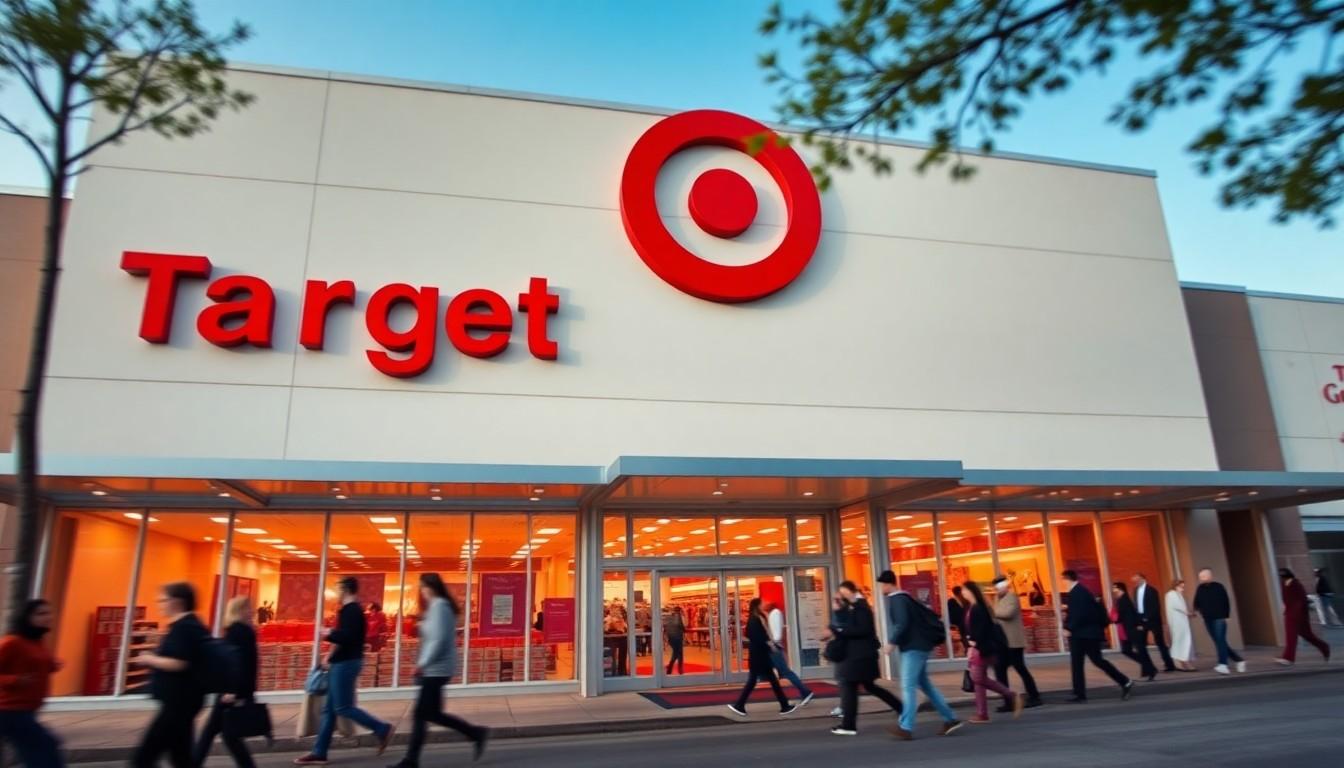
Watchful shoppers are shifting pounds and principles: LGBTQ+ consumers are cutting back at big chains seen to be retreating on diversity, and that spending swing is already reshaping which retailers thrive , from national giants to the high street. Here’s what matters, where the money is going, and how to act on it.
Essential Takeaways
- Big shift: Roughly seven in ten LGBTQ+ shoppers report buying less or avoiding firms they believe have pulled back on DEI commitments, a pattern that’s changing footfall and online orders.
- Winners and losers: Companies perceived as staying the course , think Costco, Apple and certain grocers , are gaining business, while Target, Walmart and Amazon were often named among firms losing spend.
- Real money: LGBTQ+ households represent about $1.7 trillion in annual purchasing power, so even modest shifts can affect earnings and local store traffic.
- Local impact: In places with major retail footprints, these national trends show up in tills, hiring and the availability of Pride merchandise.
- How to respond: Ask, shop intentionally, and support inclusive-owned local businesses if you want your purchases to echo your values.
Why this spending swing matters , and it’s louder than a viral post
The headline figures are blunt: a large share of LGBTQ+ consumers say they’re buying less from companies they view as backtracking on inclusion. That’s not just a social-media kerfuffle; it’s purchase decisions backed by household budgets and repeat custom. According to national research, people aren’t just commenting online , they’re changing where their weekly shop goes, and that registers in quarterly results. For customers who like the tactile reassurance of a local checkout, shifts in national policy quickly look like fewer items on the shelf.
Who’s being rewarded , consistency wins customers
The spending shift isn’t indiscriminate. Consumers are rewarding firms perceived to have stood by their stated values, and that matters more than one-off Pride ads. Retailers and brands that maintained visible policies and programmes of inclusion have become destinations for returning spend. It’s a reminder that marketing alone won’t buy loyalty; actions across hiring, benefits and public stances carry weight , and shoppers notice the difference in tone and substance.
Who’s losing ground , big names, local consequences
Many respondents pointed at major chains as losing LGBTQ+ consumer spend, and that has concrete local effects. Where a retailer has multiple branches or a large delivery footprint, lower brand preference changes foot traffic and can alter staffing and stock decisions in towns and cities. It’s one thing to see a corporation’s PR shift in a briefing; it’s another to find the aisles quieter or Pride merchandise downplayed during a month when community visibility matters.
How to read the market , the data is dollar-driven, not just symbolic
This isn’t about virtue signalling. The economic stake is real: LGBTQ+ consumers contribute significant spending annually, so their collective preferences are material to profits. Companies that pull back on public inclusion risk both headline reputational damage and tangible revenue loss. For business leaders, the lesson is clear: consistency in policy and messaging can be counted in customers retained or lost. For shoppers, the takeaway is equally practical , small, repeated choices add up.
Practical steps for shoppers and local businesses
If you want your spending to reflect your values without overthinking every purchase, start small. Ask stores about their policies, favour businesses with transparent inclusion records, and support LGBTQ+-owned or inclusive local enterprises. For local retailers, this is a reminder that community trust is built over time: visible, sustained commitments count more than seasonal promotions. If you’re a manager, consider how hiring practices, benefits and supplier choices echo in the till.
It’s a small shift that can make every receipt a clearer statement of values.
Source Reference Map
Story idea inspired by: [1]
Sources by paragraph: