Speak up: Dalonte Lamont Jackson’s family and friends are still searching for answers after the 35-year-old was found brutally beaten and stabbed in Washington, D.C., and the case raises urgent questions about safety, bias and how police investigate potential hate crimes.
Essential Takeaways
- Victim: Dalonte Lamont Jackson, 35, was found unconscious and severely injured in an alley off East Capitol Street after an attack on May 24; he died on May 29.
- Injury and ruling: The Office of the Chief Medical Examiner determined Jackson died from multiple blunt force injuries; his death was ruled a homicide.
- Family concerns: Relatives say Jackson texted a friend that he didn’t feel safe and suspect he was lured and attacked because he was gay.
- Police stance: The Metropolitan Police Department says there’s no evidence of a hate-bias motive so far and is offering a $25,000 reward for information.
- Community impact: The case has reignited calls for transparency in investigations of LGBTQ+ victims and for stronger protections for queer communities.
A brutal crime and a family left with questions
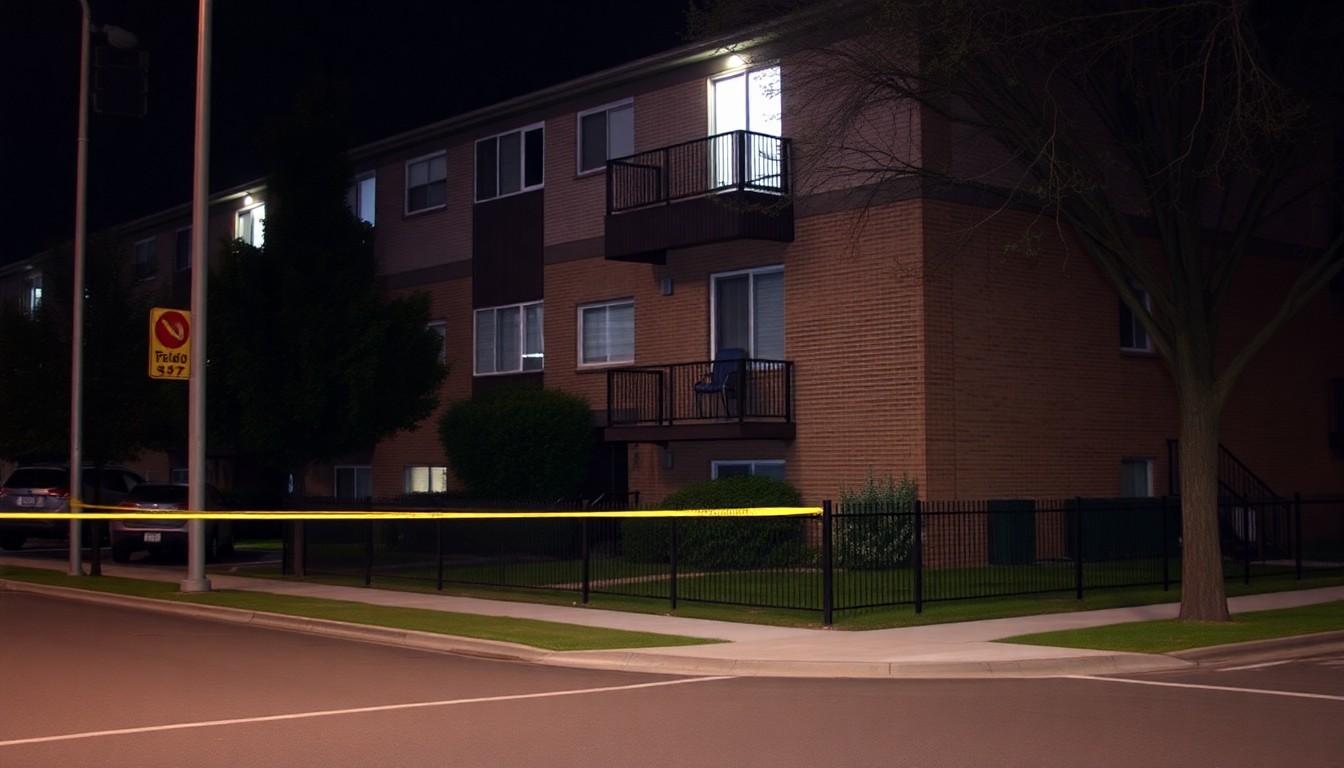
The image that lingers is raw: a man with a crushed skull, multiple stab wounds, and broken limbs, dumped in an alley and found by someone who called 911. According to local reporting, Jackson was attacked in an apartment at the Paradise at Parkside complex and later discovered a short drive away. His family describe panic and grief, and they want one thing above all , answers. NBC Washington relayed relatives’ chilling account that Jackson had texted he didn’t feel safe before the attack, a message that makes this feel personal and targeted.
Why the hate-crime question matters
When a victim is part of a marginalised group, the question of motive shapes the wider response , from the resources devoted to the investigation to how the community heals. Jackson’s family believe his sexual orientation was a factor, and their suspicion has fuelled calls for a thorough bias inquiry. The Metropolitan Police Department, however, has said there’s no evidence yet to support a hate-bias classification, even as they continue to investigate and offer a substantial reward for information. That tension , between a grieving family’s certainty and the department’s public stance , is playing out in the public square.
How investigations like this typically proceed
Police will piece together the last known movements, phone records, messages, surveillance footage and witness accounts, and they’ll weigh any evidence of targeting or bias. According to local reporting and police statements, investigators treated the scene and the autopsy findings seriously, and the medical examiner ruled the death a homicide. Communities and advocates often press for an independent review when there’s public concern about bias; transparency on how conclusions are reached can help rebuild trust. If you care, keep an eye on official updates and public briefings for new details.
What neighbours and allies can do right now
Practical support matters. Share verified appeals for information, attend vigils or community meetings, and push local leaders for transparency about the investigative steps being taken. If you live nearby, check CCTV and dashcam footage with police permission, and make sure anyone with information knows about the $25,000 reward. For LGBTQ+ people, this is also a reminder to use safety planning tools, tell a trusted contact where you’re going, and report threats , it’s unfortunate to say, but vigilance can save lives.
What this means for the wider fight against anti-LGBTQ+ violence
High-profile cases can change policy and awareness , sometimes slowly, sometimes quickly. Families and advocates are asking for clearer protocols when sexual orientation might be relevant, better community policing, and more resources for prevention and victim support. These conversations matter because they influence whether the next family faces the same unanswered questions. And for everyone, there’s a human toll here: a loved one gone, birthdays and holidays passed without him, and a neighbourhood trying to make sense of senseless violence.
It's a small change to demand more transparency and protection, but it can make every community safer.
Source Reference Map
Story idea inspired by: [1]
Sources by paragraph: