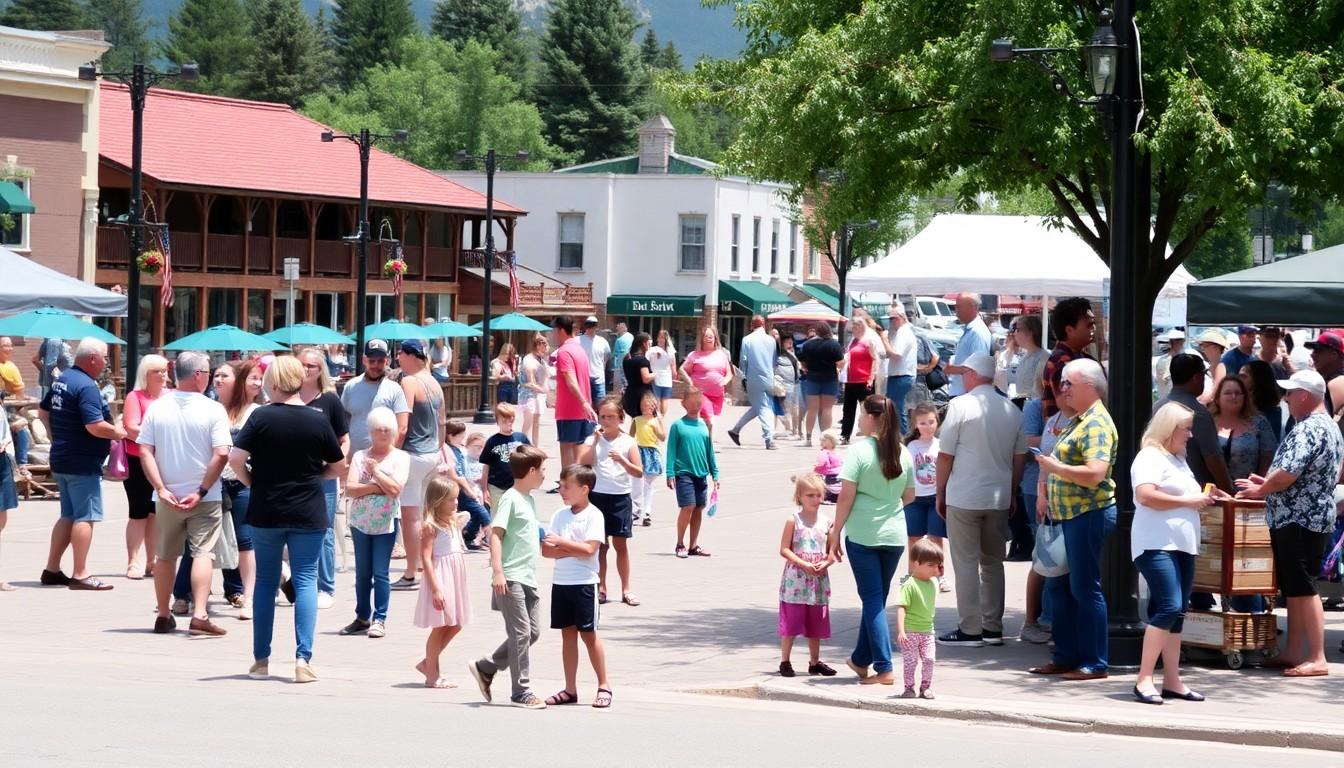
Celebrate togetherness: Shoppers, parents and teens turned out as Bayfield Queers and the Ignacio Out and Equal Alliance staged a sunny joint Pride that made queer and two‑spirit life visible across La Plata County , a small‑town moment that matters because it roots future generations in belonging.
Essential Takeaways
- Community-led: Local groups organised the first joint Bayfield–Ignacio Pride, bringing together families, allies and youth in public spaces.
- Visibility matters: Teens told organisers they wanted to see queer adults living openly, not just specialised programming.
- Intergenerational roots: Elders, small gatherings and long-term advocacy paved the way for a public celebration.
- Two‑spirit inclusion: Indigenous performers and an all‑Indigenous drag house highlighted Native queer presence.
- Friendly atmosphere: The event felt joyful and accessible , colourful, loud and full of families even in the heat.
A midsummer crowd proved small towns want Pride
The midday sun was relentless, but the mood wasn’t , Pride day in Bayfield and Ignacio was loud, bright and plain good fun, with drag performers strutting and kids dashing about with bracelets. According to local reports, organisers from Bayfield Queers and the Ignacio Out and Equal Alliance deliberately chose public squares to make queer life as visible as possible. That visibility is the point: people want to see themselves reflected in ordinary places, not confined to private rooms.
The decision to hold an outdoor, family‑friendly festival grew from conversations with young people and long‑time community groups. Organisers say teens didn’t ask for therapy groups or targeted services; they asked to witness queer adults living openly. So the event doubled as celebration and lived role modelling, a simple but powerful answer to isolation.
Why visibility in public spaces changes things
Being visible in a main square shifts the message from "we exist" to "we belong", and that makes a difference in rural communities where anonymity used to be the only option. Older queer residents and allies who quietly created small safe spaces over decades now watch the next generation claim streets and stages. That continuity matters: each public Pride builds on relationships, conversations and advocacy that started long before banners and balloons.
For families, the visual cue of queer people in daylight , laughing, parenting, performing , is a stabiliser. It tells kids they can grow up here. For those who remember being hidden, it’s a relief. And for newcomers, it signals safety and acceptance, which helps communities retain, not repel, diverse residents.
Two‑spirit and Indigenous presence changed the tenor
A standout element was the visible inclusion of Indigenous queer and two‑spirit people, including performers from an all‑Indigenous drag house. That representation matters in places with tribal communities because it reclaims cultural space as well as sexual and gender identity. Advocates say two‑spirit visibility at public events helps repair relationships strained by historical erasure and fosters understanding across generations.
Groups working on Indigenous queer visibility point to powwows and cultural gatherings as established places to affirm two‑spirit identity, and bringing that spirit into town Pride enriches both scenes. For organisers, showcasing Native performers wasn’t tokenism , it was integral to the festival’s purpose of intergenerational community building.
How generations of work made this possible
Long before a stage was rented, elders and grassroots organisers were holding small meetings, offering quiet support and building networks. Those behind the Ignacio Out and Equal Alliance credit decades of incremental work: conversations at kitchen tables, low‑key meetups and relationship‑building with local institutions. Today’s public celebration is the visible payoff of that slow, patient advocacy.
That history also gives the event resilience. When a popular LGBTQ bar closed in recent years, organisers leaned on networks rather than venues, pivoting toward outdoor and community‑partnered events. The result is a more distributed queer scene that can survive closures and shifts in local business.
Practical tips if you want to start community Pride
If you’re inspired to put on something similar, start simple: host a visible, public event instead of relying on private venues; invite local schools, health services and family organisations to normalise attendance; and make space for Indigenous and intergenerational voices. Listen to youth , they’ll tell you what matters most, often visibility over programming. And when the sun is strong, plan shade, water and quiet zones so everyone, including elders and sensory‑sensitive attendees, can stay comfortable.
Make it clear Pride is for the whole town, not just one group. Partnering with existing community organisations spreads workload and communicates belonging. Finally, think long term: each event is a building block for the next generation.
It's a small change that can make every corner of a small town feel more like home.
Source Reference Map
Story idea inspired by: [1]
Sources by paragraph: