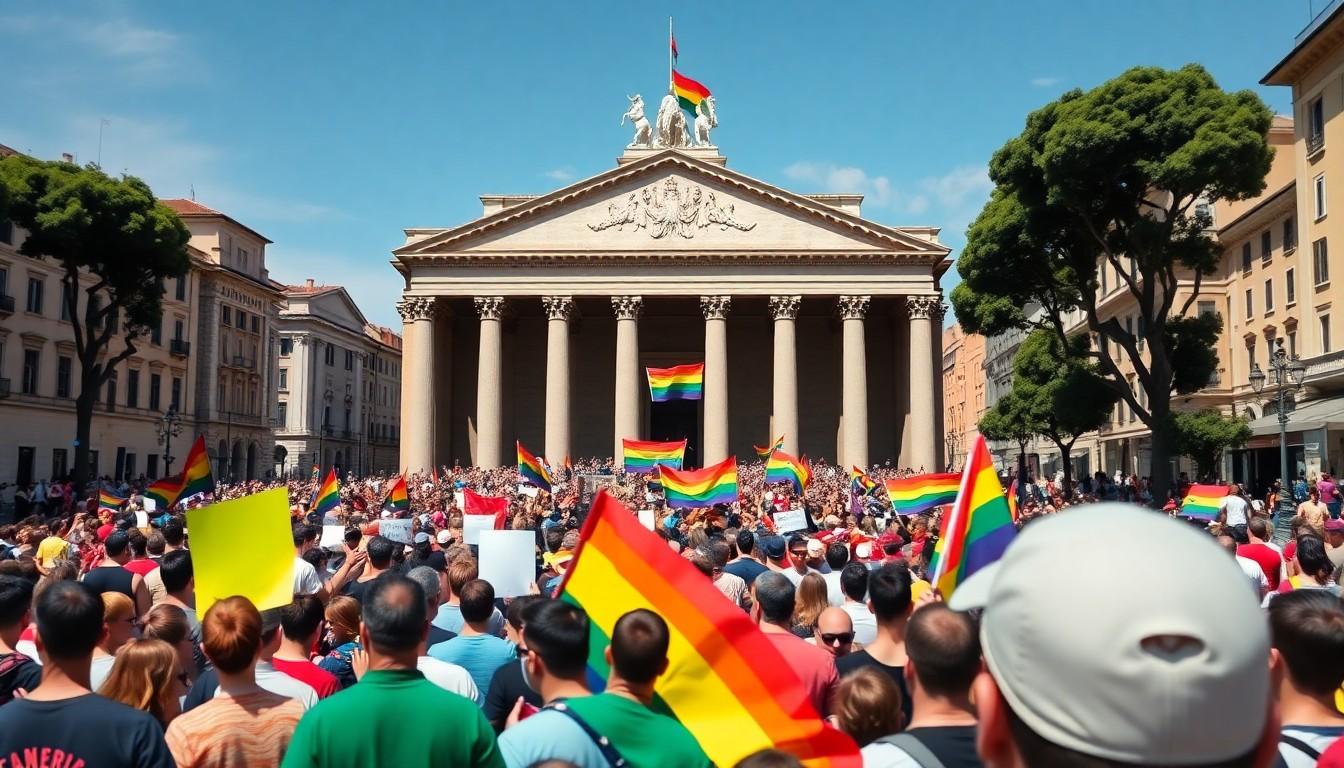
Shouting, singing and colours returned to Rome on 20 June as thousands marched in the city’s Pride, linking LGBTQIA+ rights to the Italian Republic’s 80th anniversary; organisers framed the day as a constitutional claim to dignity and equal citizenship, amid tensions over trans rights, political figures and a mediated Jewish-LGBTQIA+ participation.
Essential Takeaways
- Big turnout: Thousands marched through central Rome under the slogan "La Repubblica è di chi la abita", tying Pride to constitutional values and public visibility.
- Political presence: Mayor Roberto Gualtieri led the march and PD leader Elly Schlein joined near the Colosseum, signalling mainstream political engagement.
- Flashpoints: Organisers criticised far-right figure Roberto Vannacci for inflammatory remarks targeting the community; artists at the event called out disinformation and fear-mongering.
- Keshet resolution: After weeks of dispute, Jewish-LGBTQIA+ group Keshet will take part on foot following mediation with the city and Pride organisers.
- Tone and tactics: The event blended celebration and protest, music, theatricality and sharp political messaging aimed at reversing rights rollbacks and expanding outreach beyond urban centres.
A vivid reclaiming of public space , and a flag waved at the Colosseum
The opening impression was colour and noise, and a sense that this Pride meant to be seen as civil and civic at once. Organisers chose a pointed slogan linking LGBTQIA+ demands to the Republic itself, so the march felt less like a party and more like a reminder that rights belong to everyone who lives in the country. According to Roma Pride materials the manifesto invoked antifascist roots and pushed back against perceived backsliding on family recognition, discrimination protections and trans rights. For participants it read as a public claim: we are part of the Republic and its promises.
Politics in the front row , mayor, party leader and a controversial general
Rome’s mayor Roberto Gualtieri marched at the head of the procession, and Elly Schlein, leader of the centre-left Democratic Party, joined close to the Colosseum, underlining the event’s political weight. Organisers and speakers criticised Roberto Vannacci, a rising figure whose rhetoric has targeted LGBTQIA+ people, warning that normalising such language risks cultural erosion. Activists say the presence of prominent politicians is welcome but not enough , the community wants concrete policy priorities, not just photo opportunities.
Artists stepped up , music, responsibility and a warning against complacency
Musicians Francesca Michielin, Margherita Vicario and Levante served as the event’s chosen “friends”, using their platforms to counter misinformation and underline civic duty. Michielin dismissed invasion narratives as baseless and stressed the need for art to create safe spaces; Vicario warned against underestimating the pull of violent ideas in impoverished areas; Levante urged Pride to leave the “safe” cities and reach provincials where prejudice lingers. Their interventions blended anger, humour and urgency, reminding the crowd that culture matters in shifting hearts and minds.
Keshet’s route negotiated , how mediation kept tensions from boiling over
Weeks of debate around a Jewish-LGBTQIA+ group’s participation ended with a mediated compromise: Keshet will march on foot rather than with a float, after discussion with the organisers and the municipality. The sticking point had been a shared political document that included a stance on the Gaza conflict; organisers argued that floats carried the full platform whereas foot contingents could take part without endorsing every line. The resolution was announced as a step forward, showing that dialogue , slow and fraught though it was , can avert public splits.
Why this Pride matters beyond Rome , trends, strategy and next steps
This edition arrived at a politically sensitive moment: right-wing parties are gaining ground across Europe and speeches that dismiss LGBTQIA+ people have found a louder audience. Organisers framed the march as not just a celebration but a defensive strategy to prevent rights rollbacks and to put equality back on political agendas. Practically, they’re asking allies to push parties for concrete measures on family law, anti-discrimination protections and trans healthcare access. For anyone thinking of going next time, bring water, comfy shoes and a readiness to mix celebration with purpose.
It's a small change to public life that can make every day feel a bit closer to equal.
Source Reference Map
Story idea inspired by: [1]
Sources by paragraph: