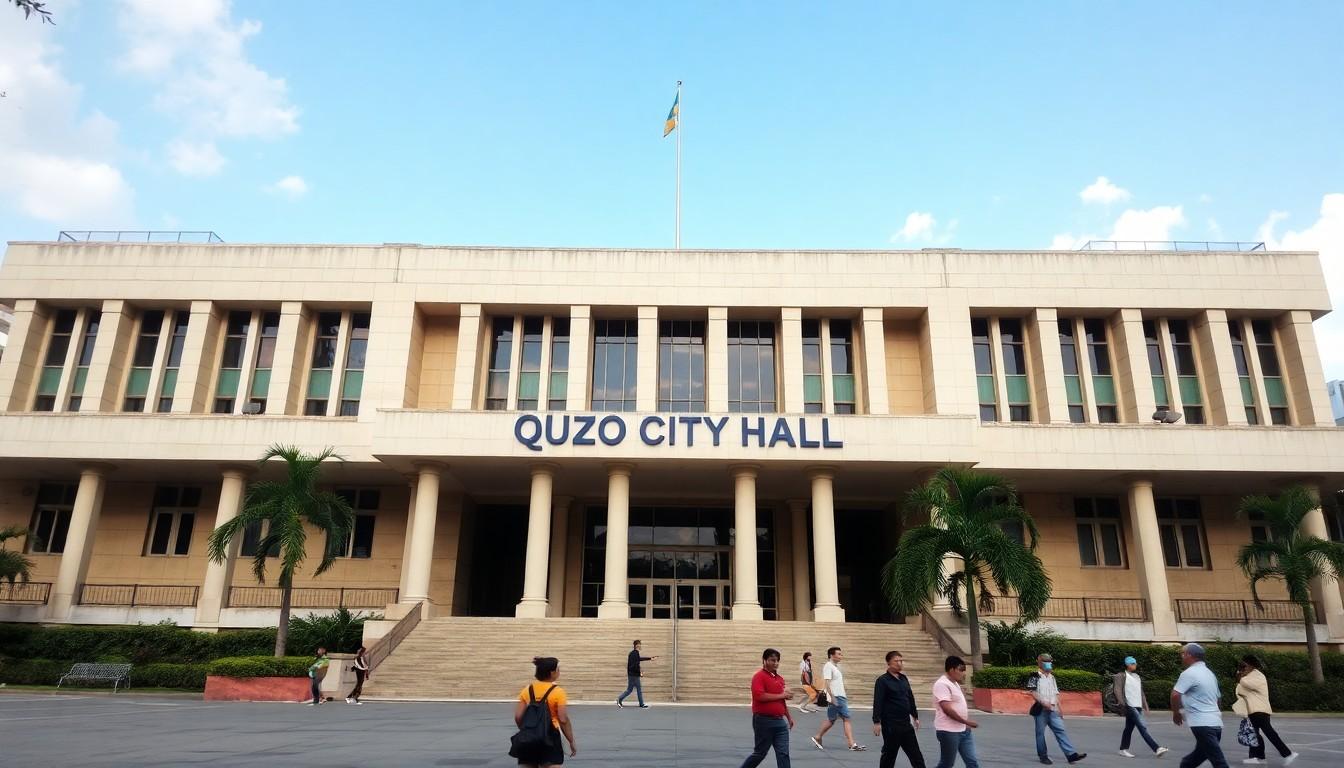
Shoppers are turning to practical protections as local governments roll out Right to Care cards across the Philippines, giving partners, live-in couples and modern families a clear way to decide on medical care when it matters most. Here’s what the programme does, where it’s spreading and how to get one.
Essential Takeaways
- What it does: The Right to Care card lets you designate a health‑care proxy to make medical decisions when you can’t, using a special power of attorney framework.
- Who benefits: LGBTQIA+ couples, live‑in partners, OFW families, solo parents and persons with disabilities can all use it to close gaps in emergency care.
- Where it’s available: Quezon City pioneered it; several cities and provinces including San Juan, Parañaque, Iloilo, Cavite and Cebu have adopted similar ordinances.
- How it feels: The card gives a reassuring, official‑looking buffer , it’s practical, straightforward and built on trust rather than blood ties.
- Next step: A national Right to Care Act is being consolidated in Congress to make the scheme available countrywide.
Why the Right to Care card matters now
The simplest truth is this: when someone is rushed into hospital, family is often the first consulted , even if the partner knows the patient best. That gap has caused real stress for queer couples and others whose closest carer isn’t a legal next‑of‑kin. Quezon City’s ordinance created a practical workaround, and people describe the result as calming and dignified. For anyone who’s worried about being sidelined in a crisis, the card is a small document with a big emotional payoff.
How the programme actually works
The card operates through a special power of attorney that names a health‑care proxy and sets out emergency decision rights. It’s not marriage or adoption, it’s an advance care planning tool that hospitals and local officials recognise. Quezon City set up a simple application route and outreach materials so people could register and carry proof. If you want to be ready, the paperwork tends to be straightforward , ID, a signed form and sometimes a short interview , and there’s helpful guidance on the city’s website.
Where it’s spreading and why local governments are copying it
San Juan took an early chance to replicate the model, and soon after Parañaque, Iloilo, Dasmariñas and Mandaluyong joined in, with provincial adoptions in Cavite and Cebu. Advocates say the momentum came from a combination of visible need and proof that the system works in practice. Lawmakers in the House and Senate are now consolidating multiple versions of a national bill, arguing that a patchwork of local rules should become a uniform right for all Filipinos. That wider uptake signals a shift in how public officials view non‑traditional families.
Who’s pushing for national law and what it would change
Several MPs and senators , from different parties and regions , have filed versions of the Right to Care Act, and consolidation is underway. Supporters point out that the ordinance already serves as a proof of concept, so national legislation would simply scale access and reduce confusion when patients move between localities. Backers frame the bill as a human‑rights measure that protects dignity and ensures trust determines care, not only legal blood ties.
Practical tips: how to decide if you need a Right to Care card
Start by thinking about who would best represent your wishes in an emergency. Choose someone who knows your medical history and values, and talk it through with them in advance. Check the local government’s citizen guide for required documents and whether you need witnesses or notarisation. If you travel or work abroad, consider how the card interacts with overseas arrangements and whether you should also prepare a copy of relevant medical directives.
It’s a small change that can make every medical emergency less fraught and more humane.
Source Reference Map
Story idea inspired by: [1]
Sources by paragraph: