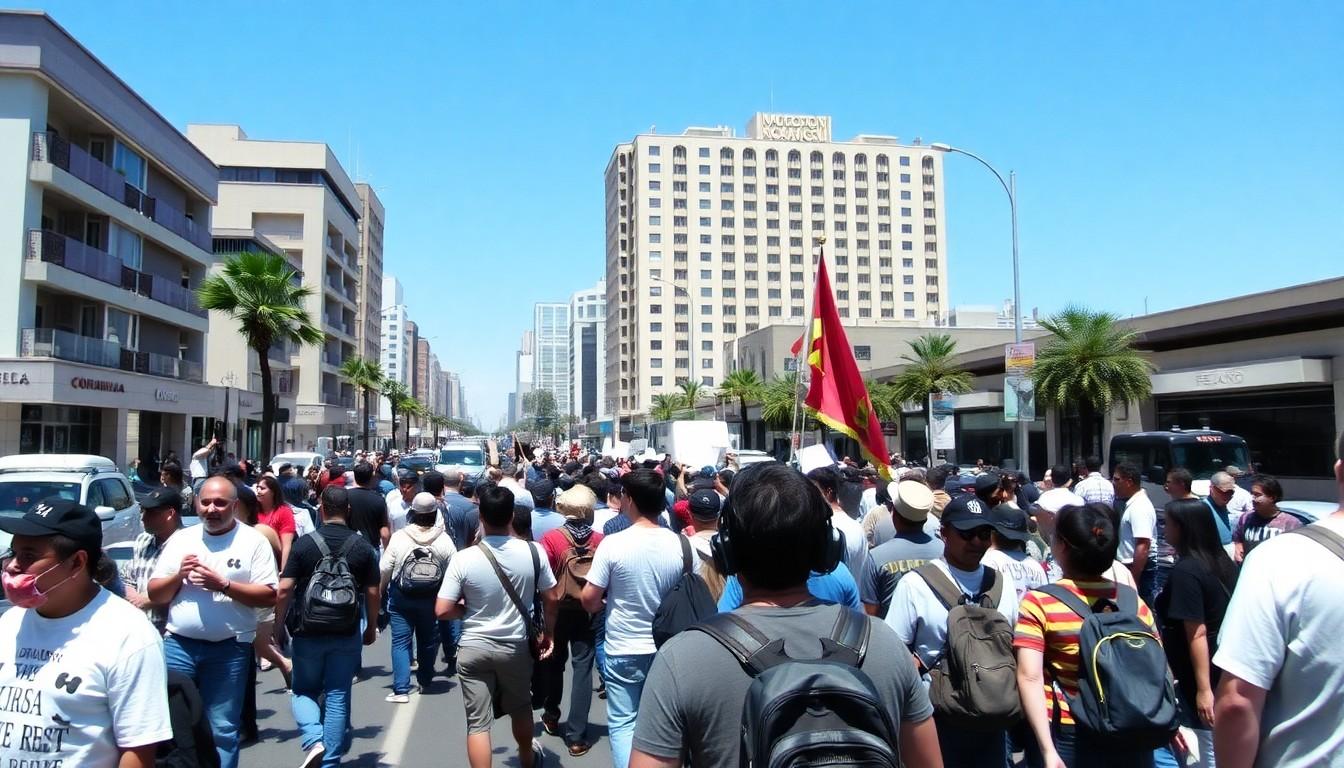
Shoppers, families and activists turned the city streets into a rainbow on Saturday, as hundreds gathered in Torreón’s Pride march to demand inclusion, safety and legal recognition for trans people , a colourful, sometimes emotional and very public reminder that progress and protection still need work.
Essential Takeaways
- Large turnout: Hundreds of people joined the route from Alameda Zaragoza, carrying flags, banners and upbeat energy.
- Mixed tone: The procession felt festive but carried serious testimony about violence, discrimination and the need for legal change.
- Trans advocacy front and centre: Colectivo Translaguna led calls to typify transfeminicides in Coahuila, driven by survivors’ testimonies.
- Local voices: Participants emphasised belonging, safety concerns and ongoing social gaps; reactions ranged from hopeful to cautious.
A bright, noisy show of belonging , and why that matters
The march kicked off with a visible, tactile burst of colour as people draped themselves in rainbow flags and chanted along the route, creating an instant sense of warmth and belonging. Organisers and families walking together made it clear this was as much a community festival as a political statement. According to local reporting, those sensory details , flags, music, laughter , helped create safety in numbers while also drawing attention to enduring problems. If you’ve never been to a regional Pride, expect that mix of party and purpose: it’s loud, it’s human and it’s hard to ignore.
Personal stories pushed the message beyond slogans
Several participants used the march to put a face to the statistics, recounting experiences of police violence, discrimination and attempted attacks. One activist explained that being among other LGBTQI people felt like being home; another described direct encounters with state actors. Those testimonies aren’t just anecdote , they fuel concrete demands for reform. For readers, it’s a reminder that visibility isn’t only celebratory; it’s a protective, truth-telling mechanism that can prompt legal and social changes.
Trans rights took centre stage , legal change in sight?
Colectivo Translaguna was prominent in this year’s mobilisation, campaigning for Coahuila to criminalise transfeminicides. The group’s push was sparked by very personal encounters with violence and aims to make the region the seventh Mexican state to recognise the offence. This kind of targeted campaign shows how local Pride events increasingly blend celebration with narrow, achievable policy goals. If you care about effective advocacy, supporting groups that pair public mobilisation with legal strategies often produces clearer results.
Safety perceptions varied , practical tips for attendees
People’s sense of safety at the march differed: some felt relaxed and joyful, others warned that insecurity is still an everyday reality in Mexico. For those planning to attend future events, practical things help: go with a group, agree on meeting points, carry minimal valuables, and keep a charged phone. Also consider following organisers’ guidance on routes and first-aid stations. These simple steps keep the mood celebratory while reducing risks that can spoil the day.
What this means for Torreón and beyond
Torreón’s Pride reflects a wider pattern across Mexico: regional cities are staging visible, vocal events that combine festivity with policy demands. Local organisers are using these moments to push for concrete protections and to make public the stories that statistics often miss. Looking ahead, sustained pressure , legal petitions, community-led education and repeat public visibility , will be what converts march energy into durable change.
It's a small shift in public space, but one that can make every step toward safety and recognition feel a little more real.
Source Reference Map
Story idea inspired by: [1]
Sources by paragraph: