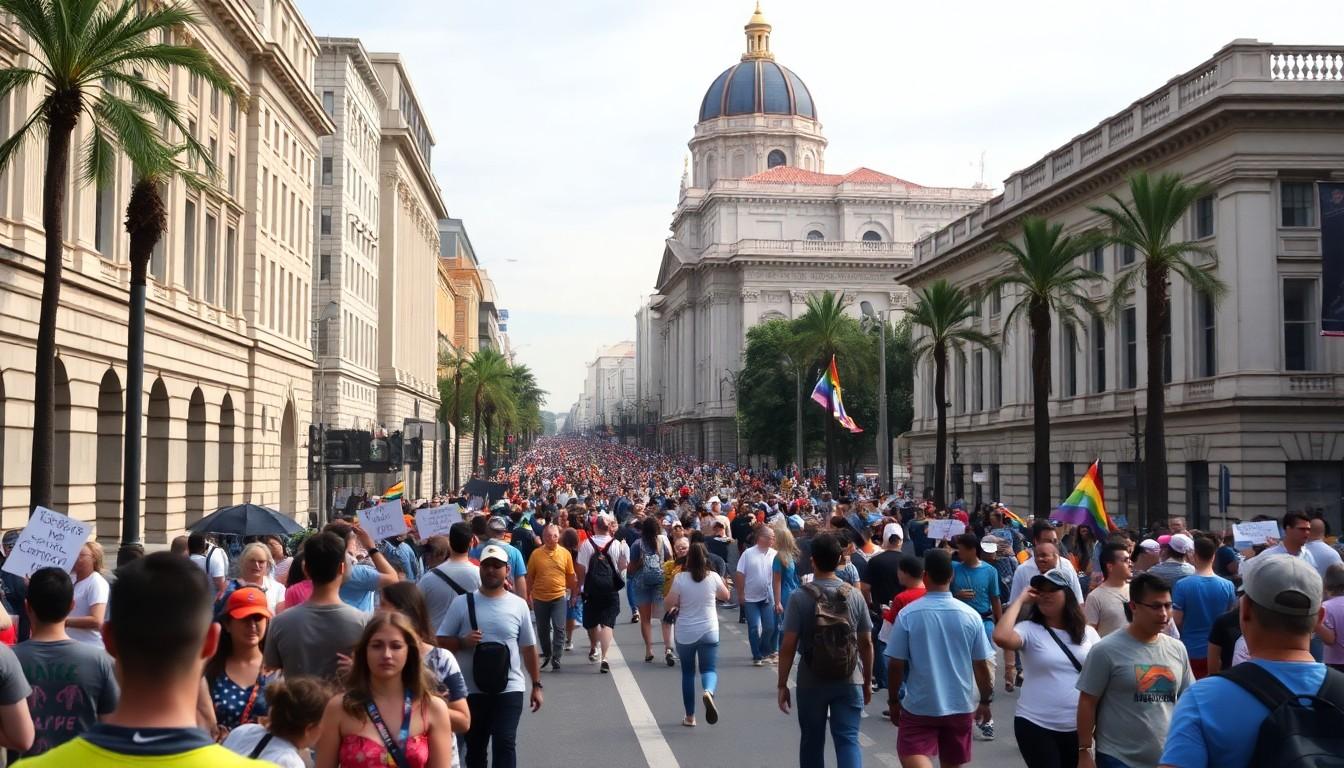
Witness the colour, music and resolute energy as lesbian, bisexual, trans and non-binary communities took over Paseo de la Reforma on 20 June; organisers, activists and dozens of contingents marched from the Ángel de la Independencia to the Monumento a la Revolución to demand safety, respect and visibility during Pride month.
Essential Takeaways
- When and where: The Sexta Marcha Lencha started 20 June at the Ángel de la Independencia and moved down Paseo de la Reforma.
- Who marched: Lesbian, bisexual, trans, non-binary people and sexual dissidents formed the contingents, carrying flags and singing.
- Vibe on the street: A mix of protest and celebration , chants, music and colourful banners gave the route a lively, determined feel.
- Demands and themes: Calls for lives free from violence, legal and social respect, and broader visibility for diverse identities.
- Practical note: The mobilisation threaded through central arteries to the Monumento a la Revolución, affecting traffic and drawing allies across the city.
A vivid start at the Ángel , loud, colourful, and unapologetic
The march gathered at the Ángel de la Independencia with an immediate sense of purpose and colour; banners fluttered and a steady beat set the pace. According to local coverage, contingents organised by neighbourhood and affinity moved off in waves, which gave the crowd a layered, festival-like energy. Many participants described the scene as both joyful and urgent , celebration tempered by the seriousness of the demands. If you’re planning to attend next year, bring water, comfortable shoes and expect the route to be lively and loud.
Why the route matters: Paseo de la Reforma to Monumento a la Revolución
Taking Mexico City’s principal avenue is a deliberate choice: it makes the march visible to the widest possible audience and underscores political intent. The procession advanced down Reforma and concluded at the Monumento a la Revolución, a civic space long used for protest and commemoration. Organisers say routing through these civic arteries helps spotlight issues of safety and recognition in the heart of the capital. For onlookers and participants alike, the avenue’s wide sweep amplifies banners, chants and performances.
Who’s in the march , a coalition of identities and causes
This year’s edition brought together lesbian, bisexual, trans and non-binary people alongside other sexual dissidents and allied groups, creating a broad coalition. Coverage highlights that the Marcha Lencha is specifically focused on lesbian and queer women’s visibility within the larger Pride calendar, restoring centre stage to voices that are sometimes sidelined. Expect a range of expressions , from explicitly political placards to performative street theatre , all aimed at asserting presence and demanding dignity.
The tone: protest, party and persistent demands for safety
The atmosphere balanced protest with celebration; music and chants kept spirits high while the messaging remained pointed. Organisers and participants reiterated calls for lives free of violence and for institutional respect, echoing themes seen in previous years. Observers noted the march’s ability to be both tender and uncompromising, mixing humour and grief in public performance. If you’re documenting or reporting on the march, prepare for a variety of emotional registers and powerful personal testimonies.
What this means for Pride month and beyond
Marcha Lencha’s sixth edition is part of a wider shift in how Pride events are staged: more grassroots, more intersectional, and more focused on specific community needs. By emphasising lesbian and queer women’s visibility, it complicates one-size-fits-all ideas of Pride while holding civic institutions to account. For allies, the message is clear , showing up matters, but so does listening and supporting structural change. Expect future editions to keep refining routes, safety measures and collaborative programming.
It's a small but powerful movement that keeps turning visibility into action.
Source Reference Map
Story idea inspired by: [1]
Sources by paragraph: