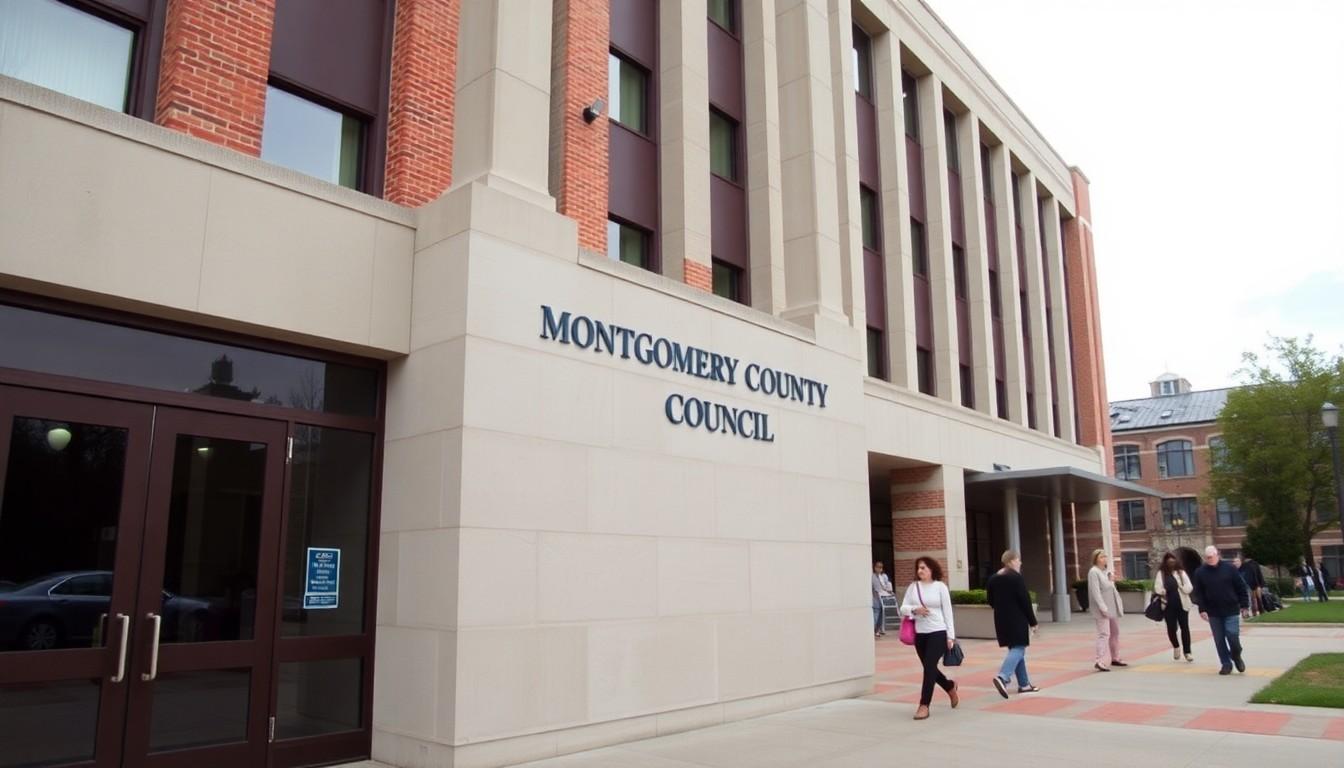
Shoppers of democracy are turning up at early voting sites across Maryland, and LGBTQ candidates are on ballots statewide , from county councils to Congress , offering milestones, familiar names and fresh faces that could reshape local leadership and representation. Here’s who to watch and why it matters to voters.
Essential Takeaways
- Historic firsts possible: Several LGBTQ contenders could become the first openly trans or gay officials in their respective offices, signalling broader representation.
- Experienced frontrunners: Evan Glass leads the Montgomery County Executive field with a record on pay equity and local immigration policy.
- Local impact: Many candidates focus on tangible issues , housing, schools, jobs , rather than identity, though identity matters to voters seeking representation.
- Voter resources: Maryland’s official elections site and BallotReady list candidates, endorsements, and sample ballots to help you prepare.
- Sensory cue: Campaigns feel energetic and personal this year, with in-person outreach and door-knocking still central.
Who’s leading the pack in Montgomery County? Evan Glass and the executive race
Evan Glass is the name most voters in Montgomery County will recognise this primary, and he’s running as the frontrunner for county executive with a pragmatic, grassroots feel. He’s finishing a second term on the council, where his record includes the Pay Equity Act and measures aimed at limiting ICE activity locally, and his campaign leans into that progressive résumé.
Glass has also drawn environmental endorsements and criticised large AI data centres near residential neighbourhoods, a stance that lands with local homeowners worried about growth and infrastructure strain. According to the LGBTQ Victory Fund, Glass is a well-known LGBTQ elected official whose profile helps mobilise voters who care about inclusive governance.
If you live in Montgomery County and favour a candidate with established local policy wins and a clear platform on affordability and zoning, Glass is the candidate to study on your ballot. Check the state elections site for polling places and hours before you head out.
Trans candidates making history , Josie Caballero and Alleria Stanley
This primary could deliver historic milestones for transgender representation in Maryland. Josie Caballero, running for an at-large seat on the Montgomery County Council, would become the first transgender woman elected to office in the state if successful. Meanwhile, Alleria Stanley, an Afghanistan combat veteran and vice president of the Transgender American Veterans Association, is running for the House of Delegates and could be the first trans person in the Maryland General Assembly.
These campaigns blend personal story with policy , veterans’ services and public safety, affordable housing and health access , and they’re energising new voters. According to campaign profiles and Victory Fund listings, both candidates highlight lived experience as a strength in tackling constituent needs.
If representation matters to you, or you want to broaden the range of voices in Annapolis and county halls, these are races worth following on June 23. BallotReady and the Maryland elections site list district-specific info so you can confirm where to cast your ballot.
Congressional contests: open seats and well-known challengers
On the federal side, Maryland’s primaries include a few high-profile matchups that intersect with the state’s LGBTQ political history. The 6th District features a contest in which past officeholders and incumbents are discussed by voters looking for experienced leadership. In the 5th District, Democrats are vying to replace Steny Hoyer, who leaves a legacy of votes supporting LGBTQ rights.
Candidates with prior national or regional profiles, including former members of Congress and local executives, are all arguing they can best continue a moderate-to-progressive tradition on civil rights and constituent services. These contests are less about being the first LGBTQ officeholder and more about continuity, legislative experience and who can deliver federal resources to Maryland communities.
For voters, the takeaway is practical: compare records on healthcare, infrastructure and LGBTQ protections, and use sample ballots online to see who’s on your ticket.
Incumbents seeking re-election , name recognition and continuity
Several openly gay and lesbian members of Maryland’s General Assembly are standing for re-election, and their campaigns emphasise continuity and hard-won policy wins. Representatives such as Joe Vogel, Gabriel Acevero, Anne Kaiser and Mary Washington bring steady experience and committee roles to their bids, while others like Kris Fair and Ashanti Martinez focus on civil rights and local priorities.
Incumbency gives these candidates a measurable track record on issues like marriage equality, anti-discrimination measures and funding for schools. Voters who favour experience and predictable advocacy for LGBTQ issues will find familiar names on the ballot.
If you’re undecided, look up recent votes and committee work; those details tell you more about day-to-day impact than campaign slogans.
Local races that matter , school boards, county offices and community representation
Beyond state and federal contests, a host of local races could change everyday governance: school board seats in Baltimore, county commissions and the register of wills in Howard County, among others. Candidates such as Jamar Day, Jamie McGonnigal, Matt Menter, Joe Toolan and Byron Macfarlane bring local organising backgrounds, education experience and community-focused platforms.
These races feel intimate and tactile , campaign events are smaller, conversations more direct, and the issues are often the ones parents and neighbours see every day. That means your single vote can have outsized influence.
For practical voting prep, use BallotReady to review full candidate profiles and the Maryland elections portal to confirm polling locations and ID rules.
Closing line
Cast an informed ballot on June 23 , it’s a small step with the power to shift who speaks for your community.
Source Reference Map
Story idea inspired by: [1]
Sources by paragraph: