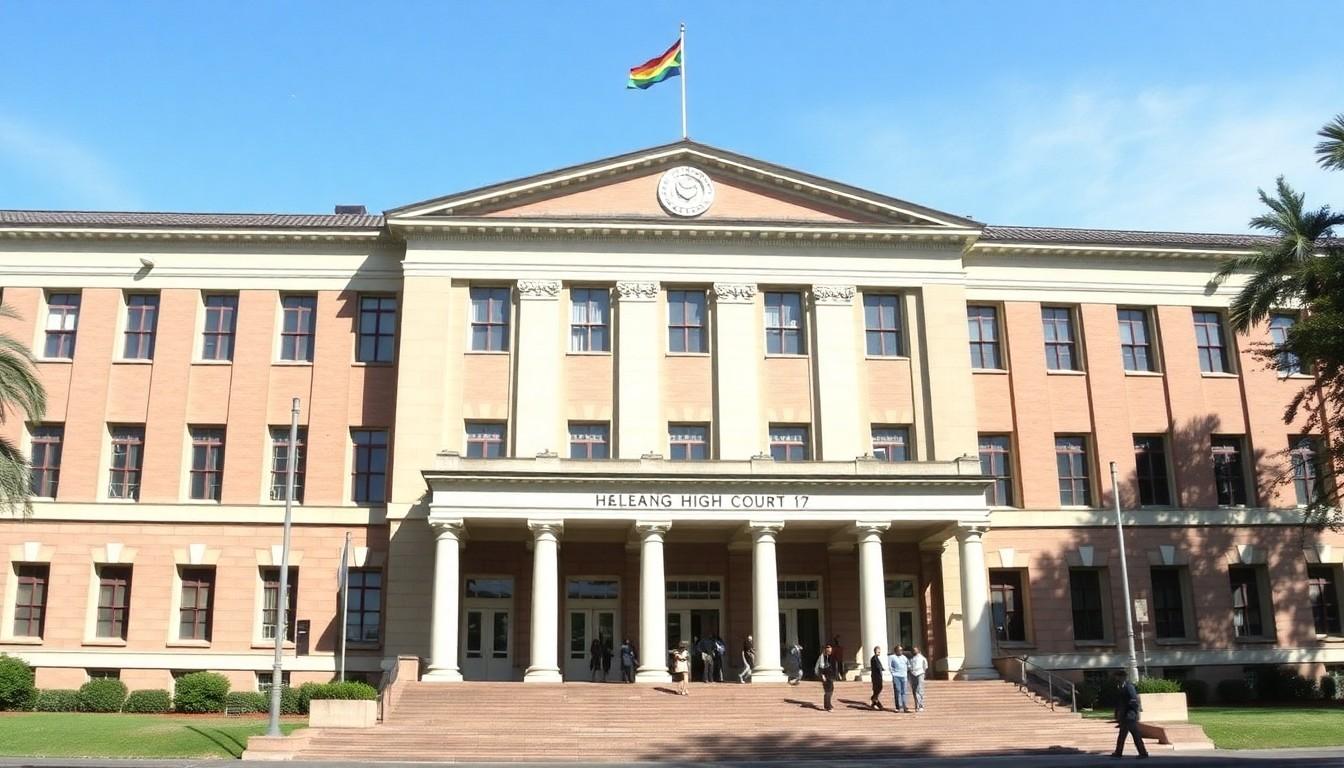
Shoppers and citizens are watching as a landmark Equality Court decision against media personality Ngizwe Mchunu reinforces protections for LGBTQIA+ people in South Africa, a ruling advocates say matters because it combines punishment with education to curb hate speech and promote social cohesion.
Essential Takeaways
- Court outcome: Johannesburg High Court sitting as an Equality Court found Ngizwe Mchunu guilty of hate speech, harassment and unfair discrimination.
- Remedies ordered: A permanent ban on discriminatory content, a pinned public apology for three months, 20 hours of human rights sensitisation training and a R250,000 payment to equality-promoting organisations.
- Legal basis: The judgement applied sections of the Promotion of Equality and Prevention of Unfair Discrimination Act, reaffirming dignity and equality as constitutional values.
- Community impact: Government and rights groups welcomed the decision as corrective and restorative, signalling tougher tolerance for public incitement.
- Practical note: The ruling also stops Mchunu from organising or taking part in demonstrations that promote discrimination, and he must cover complainants’ legal costs.
Why the ruling matters right now
The court’s finding hits the highest notes: hate speech, harassment and unfair discrimination are not abstract labels but legal breaches with tangible penalties, and that matters in a country built on a constitution that prizes human dignity. According to the South African Human Rights Commission, the material in question , videos, a flyer and public remarks between late September and early October 2025 , targeted LGBTQIA+ people and crossed the line into unlawful conduct. The detail gives the judgment heft, and you can almost feel the relief in communities that have long complained about being singled out in public media.
What the court actually ordered, and why it’s notable
This wasn’t just a fine. The court permanently barred Mchunu from publishing or distributing material that discriminates against LGBTQIA+ persons, ordered a public apology pinned to his Facebook page for three months, mandated 20 hours of human rights training and levied a R250,000 payment to organisations that promote equality and prevent hate crimes. Reuters-style coverage and statements from the SAHRC underline that the combination of punitive and restorative measures is deliberate , it aims to punish and to educate, rather than simply silence.
How advocates and government reacted
Government ministries and equality bodies welcomed the judgment, framing it as a victory for constitutional democracy and social cohesion. The Commission said the ruling reaffirms dignity, equality and freedom from discrimination as foundational values, while other official statements called it a necessary enforcement of norms that protect marginalised communities. Advocacy groups that brought the case, supported by Lawyers for Human Rights, praised the outcome and said the decision clarifies that public figures can be held accountable for incitement.
What this means for public speech and demonstrations
The court also found that a march led by Mchunu to a market in early October 2025 constituted harassment and unfair discrimination, and barred him from organising or participating in demonstrations that promote discrimination. That part of the ruling sends a signal to anyone who uses rallies or social media to target vulnerable groups: courts can step in where rhetoric spills into harassment. For organisers and platforms, it’s a reminder to weigh legal exposure before amplifying hateful content.
Practical tips for community groups and media
If you run a community organisation or manage a platform, document incidents and lodge formal complaints early; the SAHRC tried to resolve this matter before it went to court, but the case progressed once demands were rejected. For media and publishers, review policies on hate speech and consider human rights training for staff , the court’s emphasis on education is a sign that remediation can matter as much as sanction. And for individuals, know your rights: legal remedies exist when public speech crosses into unlawful discrimination.
It's a small change that can make public speech safer and hold influential voices to account.
Source Reference Map
Story idea inspired by: [1]
Sources by paragraph: