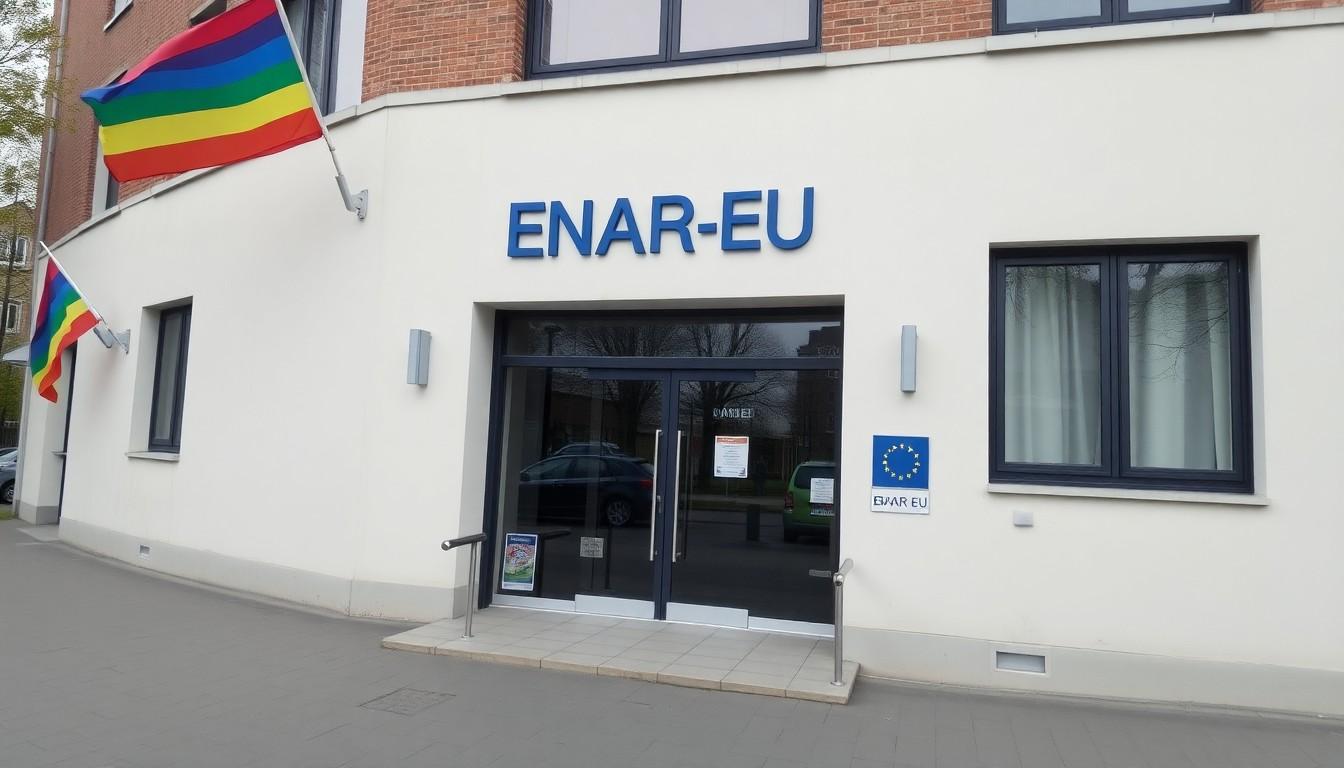
Shoppers, sorry, activists, are refocusing: advocates are insisting queer liberation can’t be separated from anti-racist and decolonial work, and it matters for LGBTIQ+ refugees across Europe. This joint World Refugee Day statement from Brussels urges organisations to resist instrumentalised rights-talk that masks detention, deportation and border violence.
Essential Takeaways
- Core claim: Liberation cannot be fragmented; queer rights and migrant justice must be pursued together, not as separate agendas.
- What’s at stake: Racialised LGBTIQ+ refugees in Europe still face detention, deportation, surveillance and exclusion despite official equality talk.
- Analysis lens: The statement is grounded in transfeminist, anti-racist and decolonial perspectives, rejecting rights as a pretext for harsher borders.
- Actionable ask: Groups are invited to sign and build collective resistance across movements; contact details for endorsement are provided.
- Tone and urgency: The message reframes solidarity as structural , it’s about policy change, not just visibility.
Why "liberation cannot be fragmented" feels like a wake-up call
The opening line of the Brussels statement lands with a practical sting: you can’t celebrate rainbow flags while enabling deportation, say organisers, and that contradiction is both visible and visceral. For many racialised queer people who reach Europe, safety isn’t just about legal recognition; it’s about not being detained, monitored or pushed back at the border.
The joint statement was published for World Refugee Day and co-authored with queer grassroots actors to make that dissonance hard to ignore. According to activists, equality rhetoric has been weaponised to justify exclusionary migration policy rather than to protect people who are most vulnerable. That’s why they stress a transfeminist and decolonial analysis , to name how power, history and race shape who gets protection.
If you work with or campaign for queer refugees, this is a prompt to audit whether your advocacy centres the most marginalised voices or merely uses queer rights as a debating point. Practical step: check your partnerships and whether racialised LGBTIQ+ refugees are leading decision-making.
How colonial and racial dynamics shape who is “deserving” of asylum
The statement links present-day border practices to longer histories of colonialism and imperialism, where certain bodies are always already marked as less worthy of protection. That’s not an abstract claim , groups tracking migration and displacement have shown how policies and rhetoric often reproduce old hierarchies.
Civil-society networks have been pointing out that calls for "European values" are sometimes used to distinguish between acceptable and unacceptable migrants in ways that track race and geography. In practice, this can mean tougher credibility tests for asylum claims, longer detentions, or surveillance targeted at communities of colour.
For campaigners, the implication is clear: legal wins on paper mean little if systems of detention and deportation remain intact. A simple, concrete action is to push for monitoring of detention data disaggregated by race and sexual orientation so gaps and abuses become impossible to ignore.
Rejecting the instrumentalisation of queer rights , what that looks like
One of the most pointed lines in the statement rejects the use of LGBTIQ+ rights as a cover for exclusionary policies. In other words, waving a flag in foreign policy statements while supporting hard border measures is hypocrisy, not progress. This critique has come up in other movements too, where performative commitments create the illusion of solidarity.
Advocates advise moving from symbolic gestures to structural demands: end immigration detention, stop deportations to places where people face real harm, and reform asylum procedures to be trauma-informed and culturally aware. Groups that sign the statement are being asked to commit to those concrete policy shifts, not just rhetoric.
If you’re part of an organisation, ask whether your public statements are paired with campaigns that reduce harm on the ground. If they aren’t, it’s time to recalibrate.
Building multi-movement solidarity , practical next steps
The statement calls for collective resistance across movements, which means bringing together queer groups, anti-racist organisers, migrant-rights networks and decolonial thinkers. That may sound ambitious, but there are clear starting points: shared platforms for co-led events, joint policy demands, and funding practices that centre grassroots, racialised leadership.
Organisers suggest simple governance changes that make coalition-building easier: equitable funding decisions, rotating leadership, and transparent processes for signing onto joint statements. These reduce the chance that solidarity becomes extractive or performative.
On the ground, allies can prioritise legal aid, safe housing and community-based support that foregrounds the needs of racialised LGBTIQ+ refugees. It’s the small, practical things that build trust and make solidarity credible.
What comes next , why signing this statement matters
The Brussels statement is open for endorsements from organisations and networks committed to transfeminist solidarity and decolonial liberation. That invitation matters because collective sign-on can shift public conversation and strengthen pressure on institutions that say they defend equality but fund or tolerate harmful migration policies.
Expect more joint actions around World Refugee Day and beyond, and watch for campaigns that push for policy transparency and accountability on detention and deportation. The broader hope is to turn a corrective moment into sustained structural change , and that requires patience, listening and concrete mutual aid.
It’s a small change that can make every refuge a bit safer.
Source Reference Map
Story idea inspired by: [1]
Sources by paragraph: