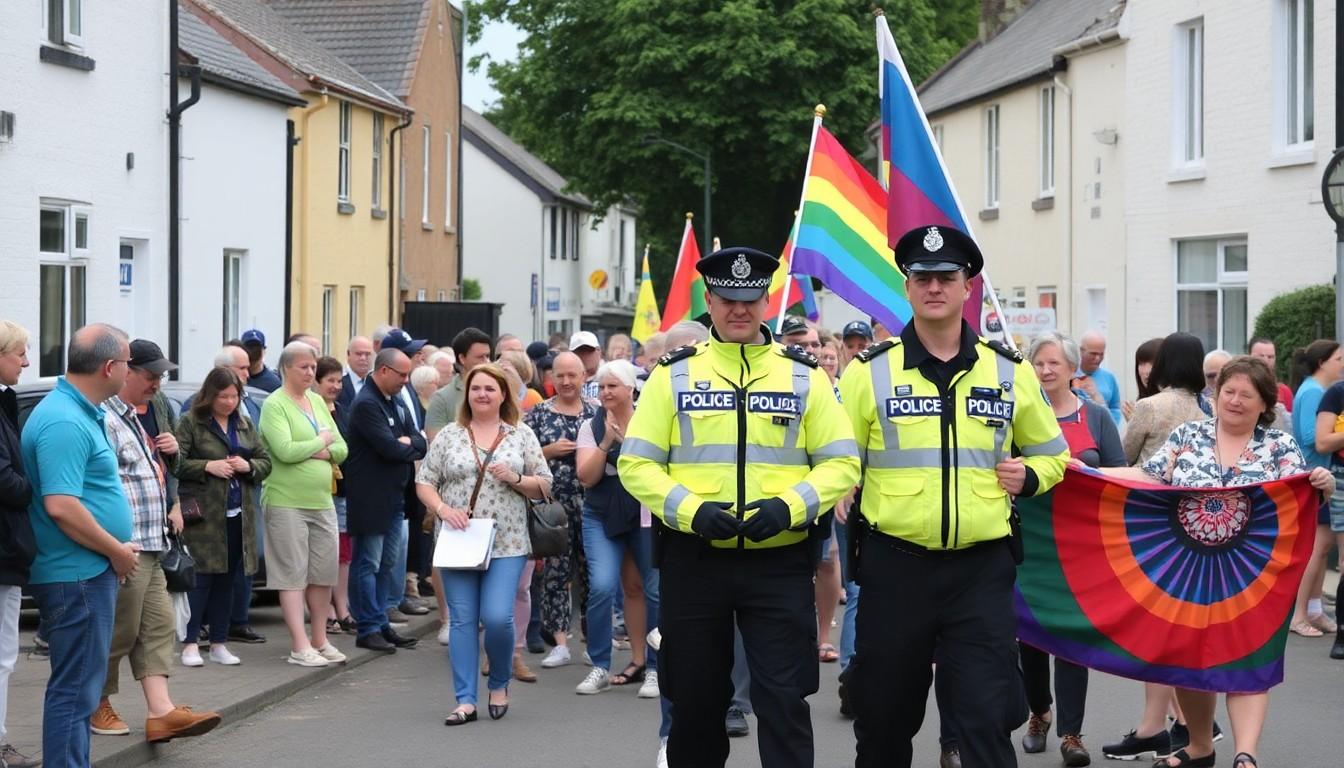
Shoppers and locals are watching as Ballymena’s second Mid‑East Antrim Pride prepares to march , a grassroots celebration that feels more like a protest than a festival, driven by young organisers, scrappy fundraising, and the town’s surprising show of solidarity. Here’s why this small‑town Pride matters.
Essential Takeaways
- Grassroots drive: A 25‑year‑old youth worker founded the organising committee and led efforts after the town lacked queer spaces.
- Funding struggle: Local council declined to contribute, forcing organisers to crowdsource and seek small grants.
- Community resilience: Businesses helped clean up after slurry was smeared on the parade route last year, and more shops are decorating this time.
- Security cautious: PSNI will have increased presence; marshals plan to form a protective guard to reduce face‑to‑face abuse.
- Emotional impact: Older residents and long‑time locals have found the event deeply meaningful, turning Pride into intergenerational solidarity.
A protest in parade clothing , the opening hook
Ballymena’s Pride has the smell of detergent and the grit of protest , organisers want visibility, not product placement. According to reporting in TheJournal.ie, the event was set up because there were few queer spaces locally and people felt they had to be guarded when they went out. That sense of urgency gives the parade a political edge rather than a purely celebratory tone.
This is not the glossy corporate parade some UK cities have grown used to; it’s a community putting itself in public where it hasn’t always felt safe. For readers used to thinking of Pride as branded stages and sponsor tents, Ballymena offers a different, more raw picture.
How it started and why one youth worker kept going
Curtis Lee, a 25‑year‑old youth worker, pushed the committee into being because he noticed a lack of queer community in Mid‑East Antrim. He told organisers they’d try even if the turnout was small, which is a familiar approach for grassroots campaigns: do it now, build momentum later.
That “let’s see what happens” spirit mattered because the town had been through recent unrest. Where some might have folded under pressure, Lee and colleagues decided visibility was the right response. It’s a reminder that small organisers often carry large risks for community gain.
Confronted with hostility , and met with kindness
Last year, someone smeared slurry across the parade route just hours before the event. It could have shut things down, but local shopkeepers helped clean up and many agreed to decorate this time around. The juxtaposition is striking: acts of intimidation were met with practical kindness.
The Irish News later reported arrests connected to that slurry incident, underlining that what organisers face isn’t abstract opposition but real, punishable behaviour. That’s why visible local support matters: it turns a targeted attack into a moment that draws neighbours together rather than tears a community apart.
Funding, sponsorship and the commercialisation debate
Ballymena’s Pride has largely avoided heavy corporate branding because funds are tight and the council , where the DUP holds the most seats , declined to provide support. That lack of big money has kept the event closer to its protest roots, and organisers say they prefer to build community ownership rather than chase headline sponsors.
Nationwide, there’s been a wider conversation about corporate sponsorship of Pride , some events have seen companies step back or be rejected by organisers. That debate matters for small Prides especially: less sponsorship can be limiting, but it also prevents commercial dilution of the event’s message. For organisers weighing options, the practical advice is clear , balance modest funding streams with community fundraising to keep control and authenticity.
Safety, turnout and why older participants matter
The PSNI has said it will increase officers in Ballymena to help keep the day safe, while parade marshals will form a guard to reduce direct confrontations. Those steps are sensible: they lower the chance of flashpoints without turning the parade into a fortress.
Organisers say seeing older residents join , someone approaching 80 who remembered the town decades ago , was one of last year’s most moving moments. That sort of intergenerational presence reframes Pride as belonging as much to elders as to young people, creating a fuller sense of local change. If you’re helping plan a similar event, prioritise volunteer marshals, clear communication with local businesses, and accessible routes for those who need them.
It's a small change that can make every parade safer and more meaningful.
Source Reference Map
Story idea inspired by: [1]
Sources by paragraph: