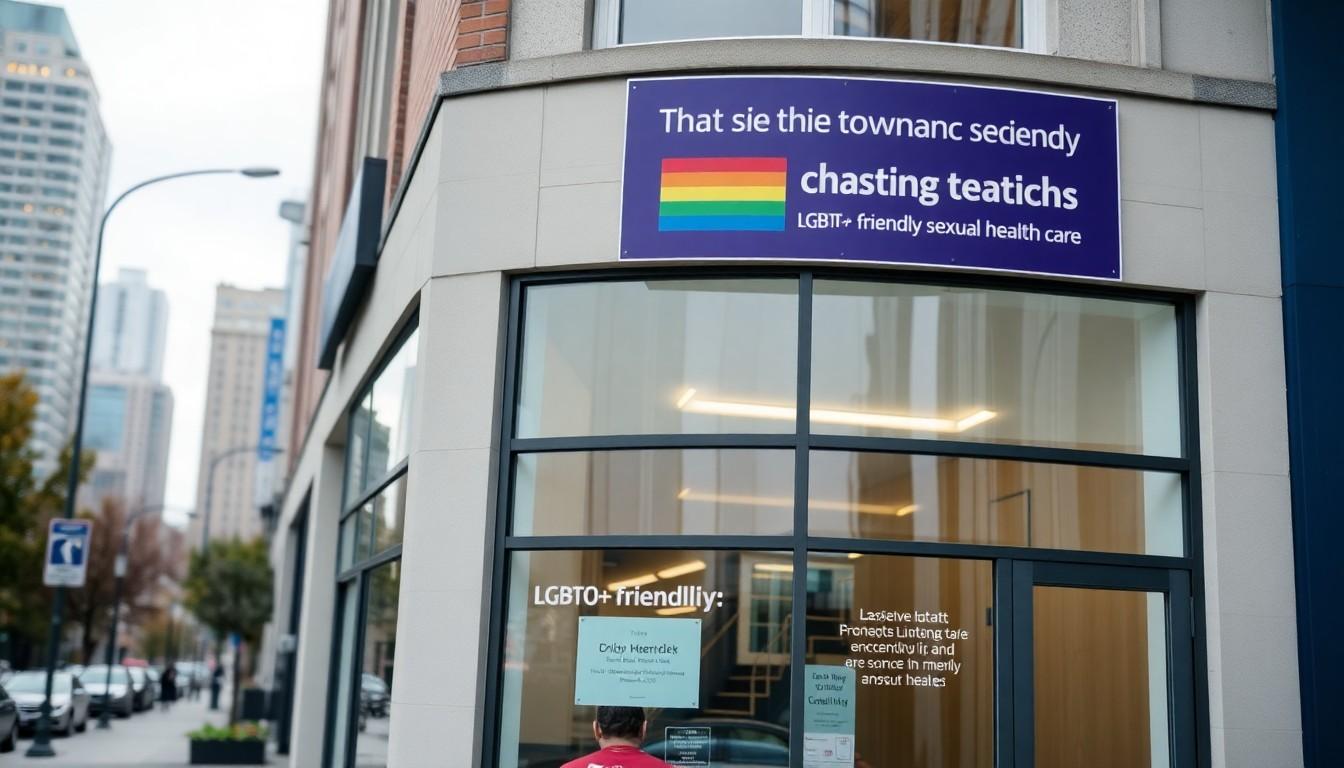
Shoppers are choosing providers who understand them: LGBTQ+ men need sexual healthcare that’s personalised, respectful and preventive, whether in London, Manchester or beyond. This piece explains what inclusive care looks like, why it matters for physical and mental health, and simple steps to find the right clinician.
Essential Takeaways
- Beyond testing: Sexual health includes erectile function, hormones, fertility, relationship issues and mental wellbeing, not just STI screening.
- Comfort matters: Patients who feel judged often delay care, leading to missed diagnoses or untreated issues.
- Prevention wins: Routine screening, PrEP conversations and vaccinations reduce long-term risk.
- Whole-person care: Addressing anxiety, body image and stigma improves sexual function and quality of life.
- Practical choice: Look for clinicians who advertise LGBTQ+ competency, offer tailored consultations and discuss goals openly.
Why inclusive sexual healthcare changes outcomes
Lack of a welcoming clinic can make someone put off an appointment, and that silence has consequences you can feel , from untreated infections to worsening anxiety. According to reporting from major health centres, gay and bisexual men face specific risks and screening needs that aren’t always covered in generic check-ups. That’s why a clinician who asks the right questions and listens without judgement matters; it’s not just kinder, it’s better medicine.
Sexual health is broader than you think
Most people picture STI tests when they hear “sexual health”, but the picture is bigger: erectile dysfunction, low testosterone, fertility planning, intimacy concerns and performance anxiety all sit under the same umbrella. NHS-style guidance and specialist centres highlight that addressing these issues together can prevent problems escalating. If you’re worried about function or hormones, a clinic that frames care around your life , not assumptions about your orientation , will produce clearer next steps.
Prevention and screening: practical steps that help
Routine checks catch silent problems early. Public health bodies recommend tailored screening and vaccination based on behaviour and risk, and PrEP conversations for those at higher risk of HIV can be life-changing. In practice, that means being proactive: know when to ask for tests, get vaccinated for hepatitis or HPV if advised, and discuss PrEP openly. A good provider will set a screening schedule based on your specific activity and preferences.
Mental health and intimacy: the missing piece
Sexual wellbeing rarely sits apart from mental health. Stress, stigma and body-image worries all filter down into libido, arousal and relationships. Major clinics now recommend integrating mental health support with sexual healthcare , counselling, sex therapy or simply a frank talk with your doctor can make a measurable difference. Don’t dismiss “performance” problems as just physical; often the best fixes are emotional, practical and combined.
How to find an LGBTQ+-affirming provider (and what to ask)
Start local: search for clinics that explicitly state LGBTQ+ competence or list services like PrEP, hormone evaluation and fertility counselling. Ask simple questions before booking , do they have experience with gay and bisexual men, how do they approach sexual history, and can they refer to mental health services? Look for practical signals too: inclusive forms, gender-neutral language and a promise of confidentiality. If something feels off during an initial call, it’s okay to walk away and try another practice.
What to expect from a first visit
A good first appointment feels thorough, not intrusive. Your clinician should ask about sexual partners, practices and goals in a respectful way, run any indicated screenings, and discuss prevention and follow-up. They’ll also offer space to talk about relationships, performance anxiety or family plans. Expect clear next steps rather than rushed answers , and if you don’t get them, ask for a tailored care plan.
It's a small change that can make every consultation more useful and every outcome safer.
Source Reference Map
Story idea inspired by: [1]
Sources by paragraph: