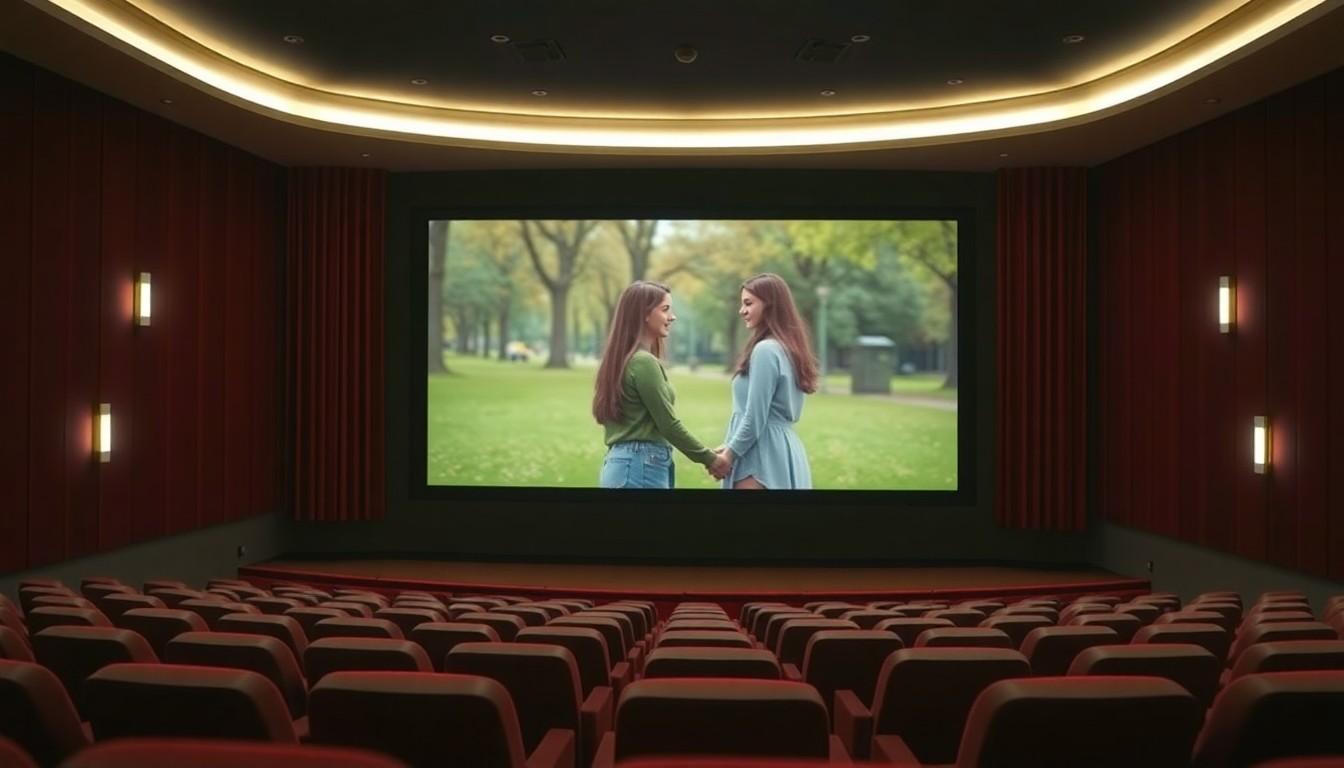
Spotlight Hayley Kiyoko has come full circle , fans are celebrating the pop star’s leap from viral music video to feature film director as Girls Like Girls hits cinemas, a much-awaited coming‑of‑age queer love story that matters for representation and for young audiences looking to see themselves on screen.
Essential Takeaways
- Feature debut: Hayley Kiyoko directs her first feature, adapting her own hit song and bestselling YA novel into a heartfelt coming‑of‑age film.
- Familiar DNA: The movie grows from the 2015 viral music video "Girls Like Girls" and a 2023 No. 1 New York Times bestselling novel.
- Strong creative team: Kiyoko collaborated with Chloe Okuno on the story and Stefanie Scott on the screenplay; the cast includes Maya da Costa and Myra Molloy.
- Representation impact: The project marks another visible, hopeful moment for young LGBTQ+ viewers craving authentic queer romance.
- Tone and feel: Expect an intimate, emotional tone , directed with pop‑star polish and pro‑fan sensibility, with a nostalgic nod to the original video.
Why this film feels like a homecoming
Hayley Kiyoko’s journey from singer to director makes this release feel personal and immediate, and you can almost see the original music‑video energy in the film’s DNA. The 2015 video for "Girls Like Girls" was a lightning rod , bright, intimate, and memorable , and translating that into a full narrative was always going to be a labour of love. Fans who followed the song to the bestselling YA novel will recognise the same earnestness, and the film leans into that feeling, giving viewers a warm, slightly shimmering portrayal of first love.
How the project finally got made , and why it took time
Kiyoko has spoken openly about the uphill battle to get a feature off the ground, saying Hollywood simply wasn’t ready when the song exploded. Turning the concept into a novel was a clever workaround that proved the audience was there; the book hitting No. 1 on the New York Times list helped reset the conversation. Industry observers note this pattern: projects led by queer creators often need alternative routes to demonstrate commercial viability, and in this case the crossover success of music and publishing cleared the path.
The cast and collaborators to watch
The movie doesn’t rest on nostalgia alone , Kiyoko teamed with Chloe Okuno on the story and brought in Stefanie Scott as a writer, while casting rising talent like Maya da Costa and Myra Molloy alongside familiar faces. That mix of fresh performers and experienced creatives tends to sharpen both authenticity and craft. Critics and fans will be curious to see how the chemistry reads on screen, but early chatter suggests the film keeps a tender focus on character and emotion rather than spectacle.
What this means for queer representation in mainstream film
There’s a practical takeaway here: visibility builds momentum. When queer stories are bankable , and when their creators can point to measurable success in other media , gatekeepers listen. Kiyoko’s feature debut is a useful data point for studios considering more LGBTQ+ projects, and importantly it gives young viewers a contemporary, relatable romance to look to. Representation isn’t just symbolic; it reshapes the kinds of narratives that get funding and distribution.
How to watch it and what to expect as a viewer
If you loved the song or the book, go in expecting a story that’s faithful to the emotional core rather than a shot‑for‑shot retread. The film is being positioned as a theatre release, so catching it on the big screen will amplify the communal feel , there’s a particular charge to seeing queer joy unfold in public spaces. For parents, teachers or guardians wondering whether it’s age‑appropriate, the coming‑of‑age framing usually means the themes are about identity, acceptance and relationships rather than explicit content; check local ratings and reviews for specifics.
It's a small, celebratory step that signals bigger shifts , for Hayley Kiyoko, for queer storytelling, and for anyone who’s ever learned something about themselves from a pop song.
Source Reference Map
Story idea inspired by: [1]
Sources by paragraph: