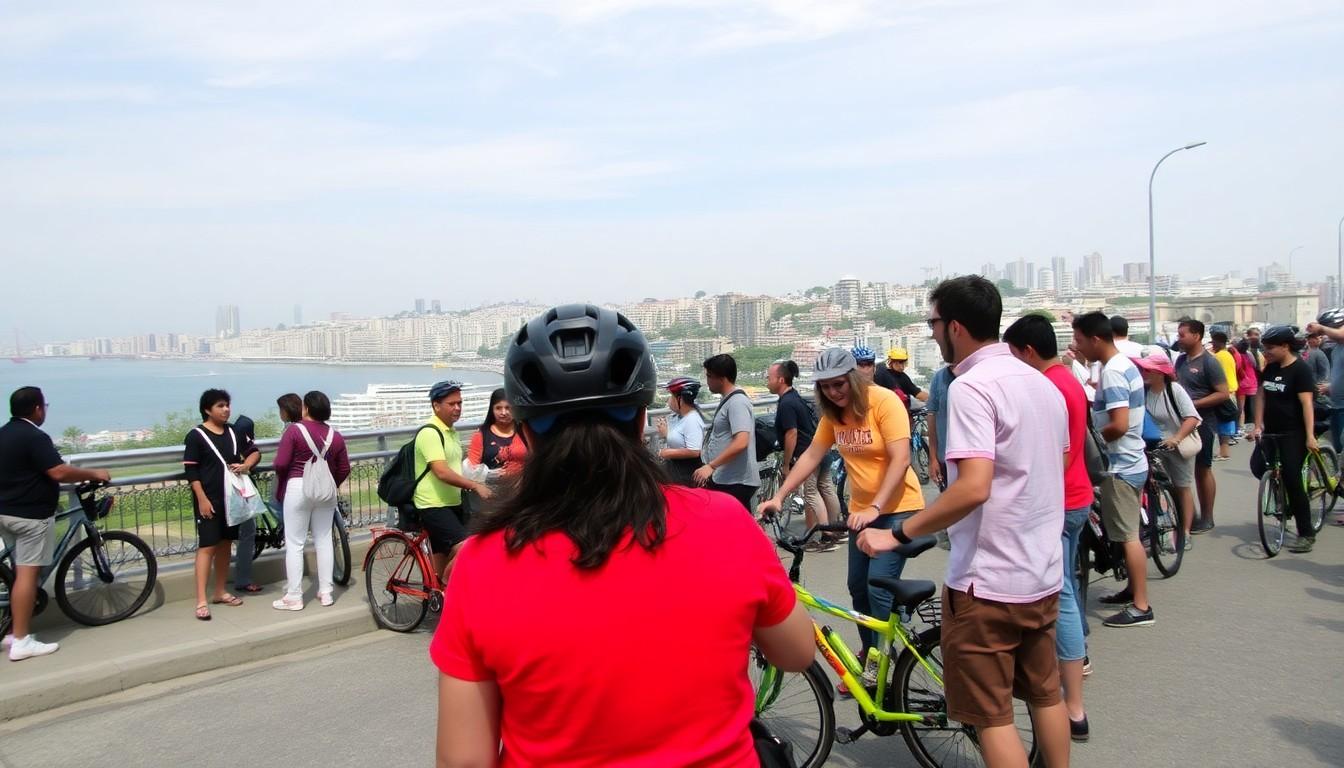
Shoppers and city-dwellers alike are turning their bikes, skates and wheelchairs into banners of belonging this Pride season. Lima’s sixth Orgullo sobre Ruedas on 21 June joins a growing global trend of inclusive pride rides that celebrate diversity, demand safer streets and invite everyone to move with dignity.
Essential Takeaways
- Local scale, big impact: Orgullo sobre Ruedas returns for its sixth edition in Lima, expecting 300+ participants and vivid rainbow visibility.
- Inclusive mobility: The ride welcomes bicycles, tricycles, scooters, skates, wheelchairs and other active mobility modes , family-friendly and free.
- Rights through movement: Organisers frame the event as both celebration and civic demand for a “more human city” with safer, less polluted streets.
- Community backing: The initiative is supported by NGOs and diplomatic partners, signalling wider institutional buy-in.
- Practical vibe: Registrations are online, participation is free, and riders are encouraged to respect safety and inclusion for all.
Why a Pride ride still hits the mark , and feels joyful
There’s something instantly disarming about seeing a stream of bicycles flashing rainbow flags down an urban avenue; it’s colourful, calm and oddly intimate. Organisers of Lima’s Orgullo sobre Ruedas say they want a city where moving around doesn’t mean risking violence, pollution or exclusion, and the ride makes that argument tangible. Events like this turn protest into party without losing purpose, and people respond , it’s visibility that feels human.
Backstory: community groups have been using mobility as a way to claim public space for years, and the Lima ride is the latest local expression. It’s less about spectacle and more about ordinary rights , safe crossings, respectful drivers, and infrastructure that serves everyone. If you’ve never joined a pride ride, expect warmth, noise and a practical optimism.
How the ride connects to global Pride-ride trends
Pride rides are not unique to Lima; cities from Utah to Barcelona and Los Angeles host similar gatherings that blend celebration with advocacy. According to community organisers elsewhere, these events foster mental-health benefits, community bonding and a plain, effective way to call for safer streets. International backing and local partnerships often follow when rides frame themselves around accessibility and public health, not just festivity.
When you compare them, the common thread is inclusivity , many organisers specifically invite allies, families and people with different mobility needs. That’s a reason riders in Lima will see scooters and wheelchairs alongside lycra-clad cyclists: it’s a deliberate statement about who belongs in the city.
Practical tips if you’re joining Orgullo sobre Ruedas
If you plan to take part, register online early , it’s free but organisers need numbers for safety. Bring basic kit: helmet, water, a small toolkit for punctures, and sun protection. If you’re bringing kids or mobility aids, arrive a little earlier to find space and a comfortable place in the procession.
Also, think about how you want to show support. Flags and colourful clothing are wonderful, but so is listening to the messaging about safer infrastructure and nondiscrimination. Keep the pace gentle; these rides are about visibility and inclusion, not speed.
Why organisers say a “more human city” matters now
The slogan “For a more human city” is an invitation to rethink how Lima is built and who it serves. Organisers from BiciOrgullo.pe emphasise dignity for all , regardless of transport mode, income, skin colour or gender identity. That framing resonates with wider civic debates about clean air, walkable neighbourhoods and transport equality that local and international NGOs have been pushing for.
Reaction: supporters and partners, including international organisations and embassies, have backed the event, which helps translate a colourful street action into policy conversations. It’s a small but effective lever for change: when people visibly claim public space, planners and policymakers notice.
What this means for spectators and the city after the ride
For bystanders, a pride ride offers a live lesson in intersectional activism , it’s joyful, but it’s also recruiting public sympathy for everyday safety and acceptance. For Lima, repeated editions build a pattern: more visibility, more allies, and a clearer civic case for inclusive urban planning.
Looking ahead, expect these rides to keep spreading into neighbourhoods, linking with mental-health campaigns, and nudging local governments to invest in safer cycling and pedestrian infrastructure. That’s the quiet hope behind the flags.
It's a small change that can make every journey a little safer and a lot more welcoming.
Source Reference Map
Story idea inspired by: [1]
Sources by paragraph: