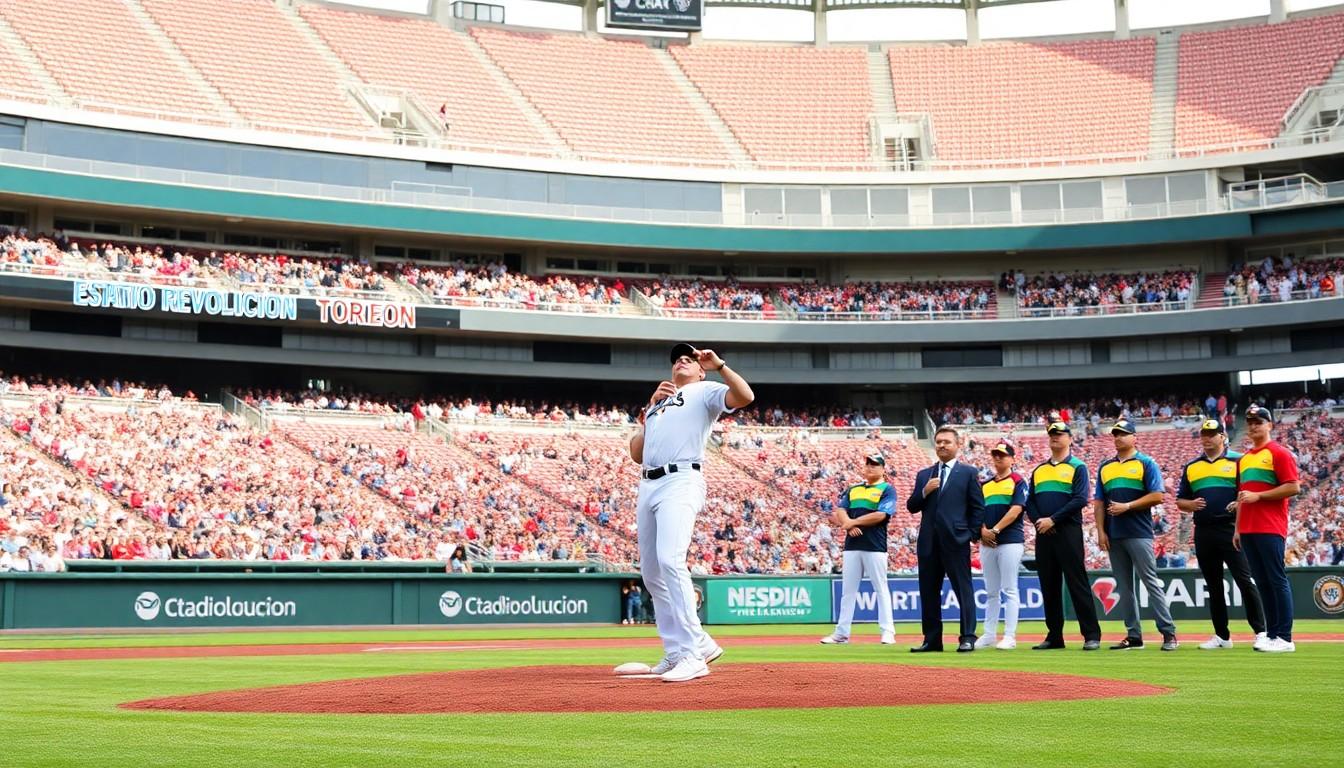
Celebrate the moment: a local activist threw the ceremonial first pitch at a Unión Laguna game in Torreón, tying sport to Pride and shining a light on inclusion , a vivid, hopeful gesture ahead of Pride TRC 2026 that matters to families, fans and the community.
Essential Takeaways
- Historic gesture: Raymundo Valadez Andrade was invited to throw the first pitch at a Unión Laguna vs Leones de Yucatán game as part of Pride month recognition, a visible sign of local support.
- Message of inclusion: The pitch was framed as promoting respect, visibility and daily expressions of love within families, says the activist and long-time march organiser.
- Local pride event: Pride TRC 2026, the 19th edition under the theme "Legacy, resistance and community", will soon bring thousands to Torreón’s streets.
- Community reach: The ceremony took place at Estadio Revolución and is intended to reach sports fans and broader audiences.
- Warm, human note: The honour recognised more than 19 years of Valadez Andrade’s organising work in La Laguna, a quiet testament to persistence.
A first pitch that felt like a hug for the crowd
The first pitch landed as a small, human spectacle with a big purpose; there was that soft crackle of stadium chatter and the easy hush when Raymundo Valadez Andrade stepped up. According to local reports, the invitation came from the club president, Guillermo Murra Marroquín, who presented the gesture during Pride month. It was simple, visible and built to be seen by families who might not otherwise encounter Pride messaging.
This kind of moment is deliberately cinematic , a single pitch that carries respect and inclusion into a mainstream space. Organisers hope moments like this nudge conversations at home, encouraging people to say "I love you" and to make respect a habit.
Why sports gestures matter for Pride visibility
Sport reaches people in a different register to marches and rallies; it’s familiar, weekend-centred and family-friendly. The club’s recognition gives the message a mainstream boost, and organisers see it as a way to normalise LGBTIQ+ presence in everyday life. Industry commentary and community activists alike note that when teams and venues show visible support, it helps dissolve stereotypes.
If you’re thinking of taking similar action locally, aim for small, repeatable gestures , community games nights, flyering at matches or inviting activists for short speeches. They add up and help create safe, habitual visibility.
Pride TRC 2026: legacy, resistance and community on the streets
The pitch came just days before Pride TRC 2026, the 19th march in Torreón. This year’s slogan , "Legado, resistencia y comunidad" , frames the event as both a celebration and a statement. Organisers expect more than eight thousand people to join the route, turning central streets into a moving, colourful declaration of belonging.
Reports indicate the march is the product of nearly two decades of steady organising by community leaders like Valadez Andrade. That continuity matters: it builds institutional memory, local allies and the kind of muscle that gets permits, security and broad participation.
How families and the wider public can engage
Events like the ceremonial pitch are invitations rather than lectures. Families wanting to show support can start small , attend a match, bring a pride flag, or simply model inclusive language for children. Community groups should look for crossovers with local institutions, whether sports clubs, schools or businesses, to widen the conversation in everyday spaces.
Practical tip: if you want to back your local Pride, check the march’s official pages for volunteer roles, safety guidance and family-friendly sections so everyone can take part comfortably.
Looking ahead: normalising inclusion, one ritual at a time
Public rituals , ceremonial pitches, half-time acknowledgements, community awards , are modest tools but they rewire expectations over time. According to local coverage, the honouring of Valadez Andrade recognises decades of grassroots work and points to a future where Pride elements are simply part of the cultural calendar.
And there’s a human truth here: small gestures make people feel seen. Whether you’re a fan at Estadio Revolución or someone who watches from home, these moments remind us that inclusion is worth the effort.
It's a small change that can make every local tradition safer and more welcoming.
Source Reference Map
Story idea inspired by: [1]
Sources by paragraph: