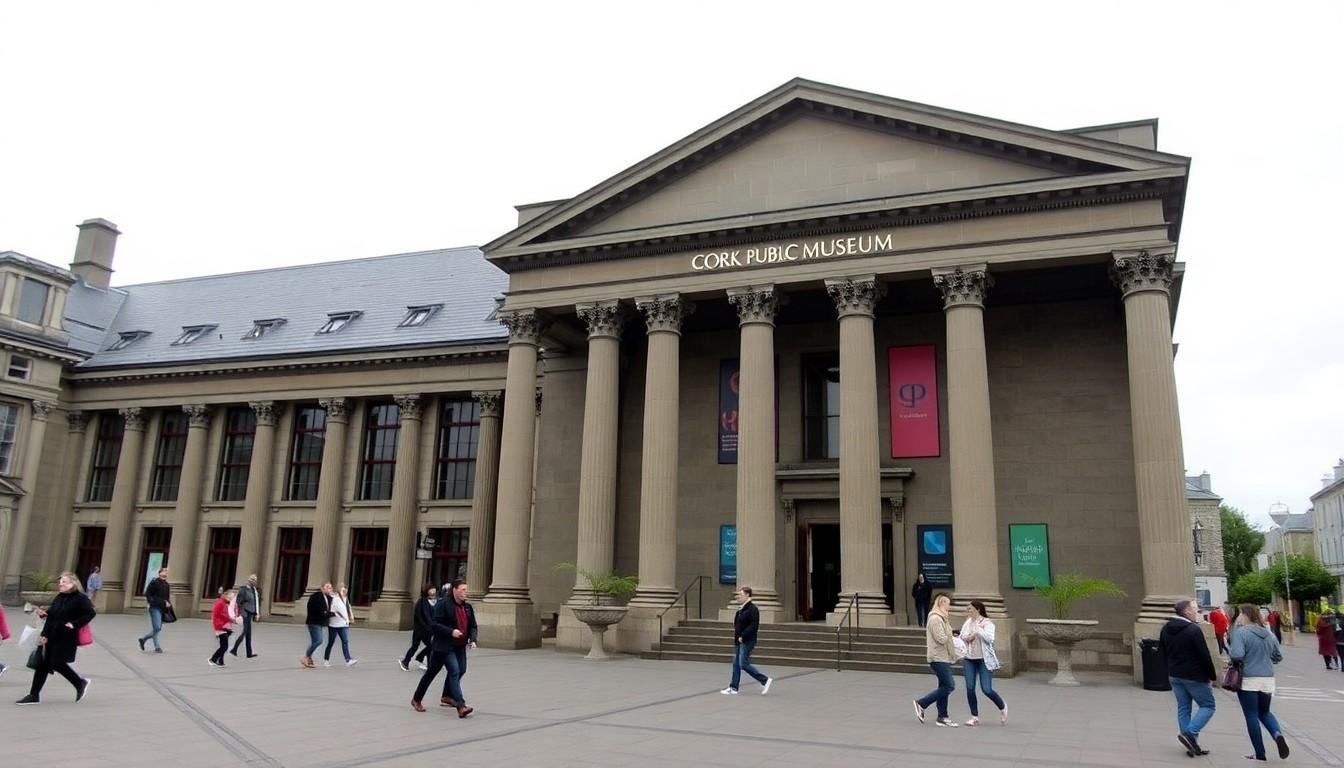
Shoppers and Pride-goers are watching history move across the Atlantic , Gilbert Baker’s original 1978 rainbow Pride flag is on loan to Cork, Ireland, for four months, arriving as the Cork Public Museum opens its first permanent LGBTQ+ exhibition and signalling how a stitched scrap of fabric still speaks to queer communities worldwide.
Essential Takeaways
- Historic artefact: The hand-stitched, hand-dyed original rainbow flag created by Gilbert Baker in 1978 is leaving the United States for the first time.
- Temporary home: The flag will be on display at Cork Public Museum for four months alongside the museum’s inaugural permanent LGBTQ+ gallery.
- Stewardship matters: The GLBT Historical Society remains the flag’s caretaker and negotiated the loan to increase public awareness of its legacy.
- Symbolic resonance: Museum curators and civic leaders say the flag’s presence in Cork sends a message of welcome and visibility for LGBTQ+ people.
- Practical note: The loan is part of a broader effort to preserve and interpret material LGBTQ+ history for new audiences.
Why this flag still matters , a small, tactile piece of movement history
The sight of the original rainbow , slightly faded, lovingly stitched , is more moving in person than any photograph, a tactile reminder that movements are made by hands. According to the GLBT Historical Society, Gilbert Baker sewed and dyed that first flag by hand for San Francisco’s Gay Freedom Day Parade in 1978, and it quickly became the visual shorthand for queer pride worldwide. Seeing that flag in a Cork gallery ties a local museum to a global story and reminds visitors how symbols help movements travel.
How the loan came about and who’s caring for it
The GLBT Historical Society, which holds the original flag, hosted a signing ceremony with Cork city and the Cork Public Museum to formalise the loan. Roberto Ordeñana, the society’s executive director, framed the move as stewardship with a mission , preserving the object while sharing its story beyond American shores. Museum curator Dan Breen has said the exhibition is meant to make the museum feel inclusive, and exhibiting the flag is a clear declaration that queer history belongs in mainstream civic spaces.
What Cork’s new LGBTQ+ exhibition means locally
Opening the museum’s first permanent LGBTQ+ gallery at the same time the original flag arrives is a neat bit of timing, not an accident. For Cork, it’s both a cultural milestone and a civic conversation-starter: the exhibition anchors queer histories in the city’s narrative while giving residents a place to see themselves reflected. For visitors it’s visceral , the colours, the fabric, the story of how a simple design became a universal badge of resistance and joy.
Wider trends: museums and queer heritage are stepping into the mainstream
Across the world, institutions are rethinking what belongs in their collections, and LGBTQ+ objects are no exception. The flag’s transatlantic loan is part of a growing pattern of museums partnering with dedicated community archives like the GLBT Historical Society to share artefacts responsibly. That matters because community groups often hold the objects and the contextual knowledge required to interpret them sensitively, while city museums can offer broader public access.
How to experience the flag respectfully , a few practical tips
If you plan to visit the Cork Public Museum while the flag is on display, approach it as part of a lived history. Read the labels, ask staff about conservation and context, and remember the object represents many people’s memories and struggles. Photography policies vary: follow the museum’s rules, and consider buying a catalogue or guide if one’s offered to support the exhibition and local heritage work.
It's a small change with a big gesture , one stitched flag still manages to welcome, remind and inspire.
Source Reference Map
Story idea inspired by: [1]
Sources by paragraph: