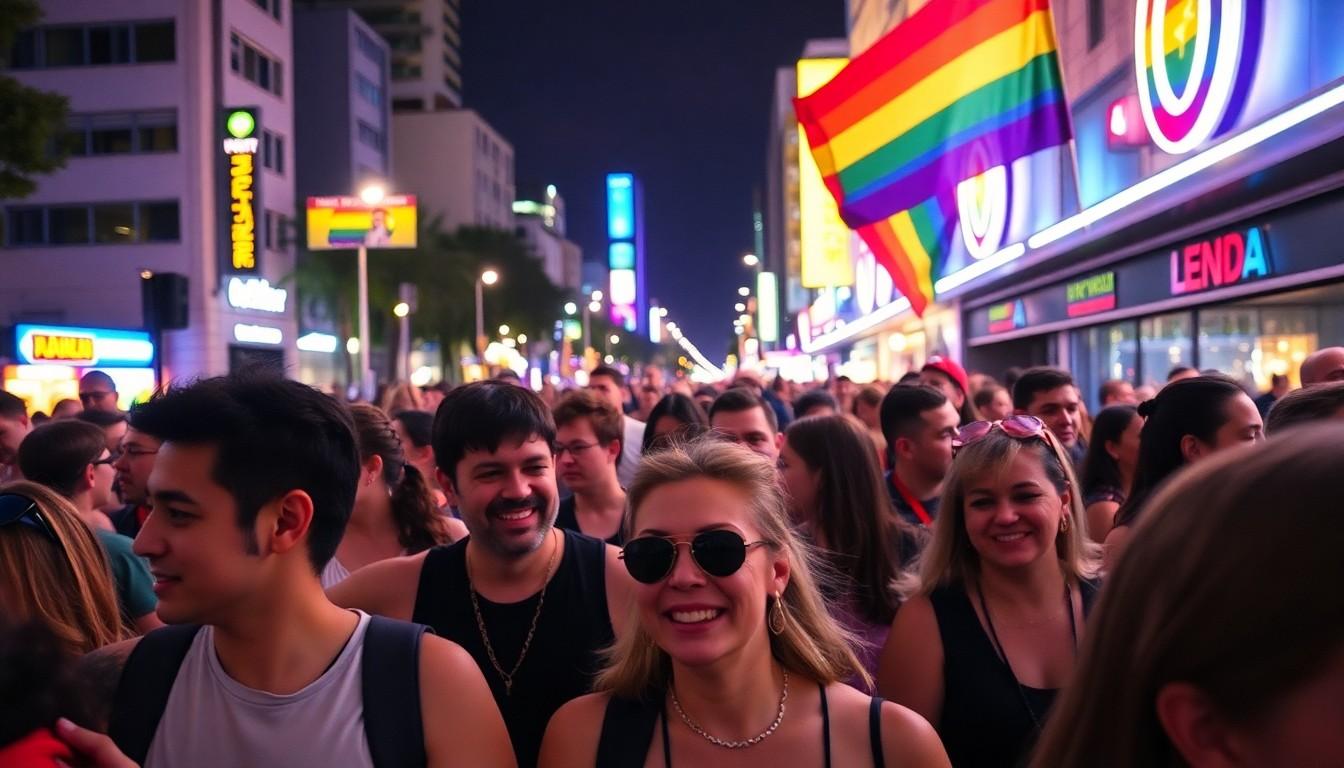
Watching Pride from afar, many Iranian LGBT people find hope and heartbreak in Tel Aviv’s streets , a vivid reminder of freedoms they’re denied at home and why underground networks keep them alive.
Essential Takeaways
- Hidden communities persist: Iran’s LGBT networks survive through private gatherings, encrypted channels and trusted circles, offering quiet solidarity.
- Fear is constant: Arrests, checkpoints and social surveillance make public visibility dangerous; families often stay silent to protect detainees.
- Forced medical routes: Human-rights groups say some gay Iranians have been pushed toward gender-reassignment as a state-backed “solution.”
- Generational shift: Urban youth exposed to satellite TV and the internet are more accepting, increasing visibility and prompting harsher crackdowns.
- Tel Aviv as a mirror: Israel’s open Pride is a powerful emotional contrast , a glimpse of what many in Iran hope for but cannot yet claim.
Pride on a screen: joy mixed with ache
Seeing hundreds of thousands at Tel Aviv Pride can feel like a salt-and-sugar moment for LGBT Iranians , joyful to watch, painful to miss. Photos and livestreams give a vivid sense of colour and openness that’s all but forbidden in much of Iran. For people living in hiding, that contrast isn’t abstract; it’s an emotional measure of what daily life would be like without fear.
The current wave of protests and broader unrest has made being visible riskier than ever, which is why so many choose secrecy. According to reporting, underground meet-ups and encrypted apps aren’t just social outlets, they’re lifelines for relationships and support.
Why visibility has become more dangerous
Visibility within anti-regime protests, and a younger generation more openly expressing support, seem to have triggered a harsher official response. Security forces now run random checkpoints and arrest people on flimsy pretexts , a trimmed eyebrow or a dating app found on a phone can become grounds for detention. That kind of arbitrary policing feeds constant anxiety and forces activists into ever-greater caution.
Friends and family often avoid public campaigning when someone is detained because drawing attention can make matters worse. The result is a cycle where abuses go unseen and unpunished, and survivors pay a heavy price in silence.
The coerced medical route: a fraught history
Human-rights groups and activists have long argued that Iran’s authorities treat homosexuality as a disorder, and that some gay and lesbian Iranians have been pressured into gender-reassignment procedures as a way to appear to “fix” them. That history complicates the conversation around healthcare and bodily autonomy in Iran, and it leaves many distrustful of official medical pathways.
For people considering escape or safety options, this reality adds another layer of risk: medical procedures shouldn’t be coerced, yet some feel forced into choices they wouldn’t otherwise make.
Underground networks: how people keep each other safe
In the face of persecution, queer Iranians have built resilient, if fragile, support systems. Private parties, encrypted messaging groups, and informal mentorship help people find housing, legal advice and emotional support. Reporting on these networks shows how non-formal outreach and community organising can reduce isolation, even when formal advocacy is impossible.
If you’re trying to help from overseas, practical support , secure communication tools, funds for safe houses, and routes to asylum , tends to have the most immediate impact.
Memory, culture and the argument for change
Many inside Iran point to pre-1979 cultural moments as proof that acceptance isn’t foreign to Iranian society. Stories and archival pieces from the 1970s are cited to show that more open social life once existed, and that current repression is political, not cultural. That narrative is important because it reframes the struggle as a civic and human-rights fight rather than a clash between cultures.
For activists hoping for systemic change, the demand is clear: not just new faces in government, but a constitution and legal framework that protects freedoms for everyone, including LGBT people.
It's a small change that can make every Pride celebration mean the same thing for people in Tehran as it does in Tel Aviv.
Source Reference Map
Story idea inspired by: [1]
Sources by paragraph: