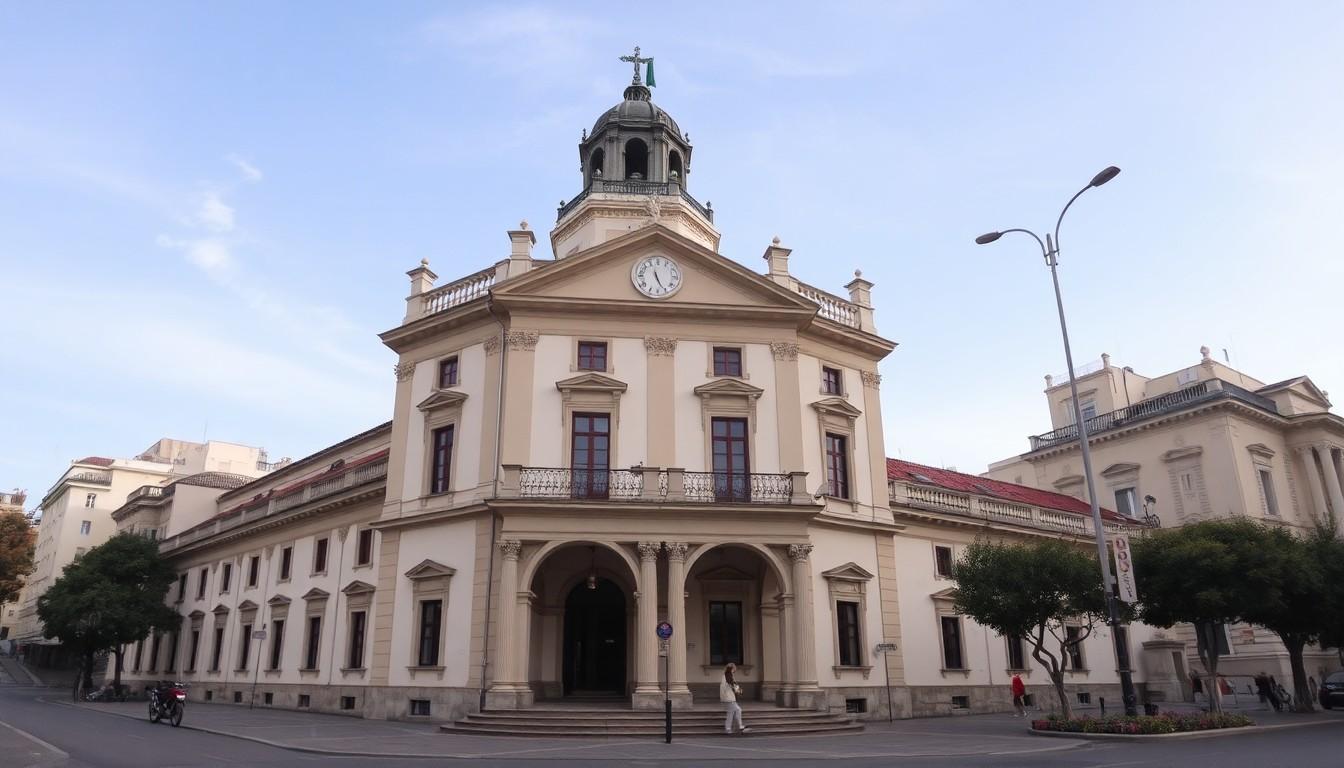
Discover the Pride Park in Naples: a free, open village of culture, politics and community at the Real Albergo dei Poveri from 18–28 June, leading up to the big Napoli Pride parade on 27 June , a must-visit for locals and visitors marking 30 years since the city’s first Pride.
Essential Takeaways
- Free and open: Pride Park runs 18–28 June at the Real Albergo dei Poveri, with free entry for everyone.
- Cultural focus: Expect photography, visual art and an inclusive animal-themed installation, with a strong historical thread.
- Health and safety: Rapid, anonymous testing for HIV, syphilis and hepatitis plus PrEP/PEP info on selected evenings.
- Events for all ages: Educational exhibits, toy museum displays, talks, music and DJ sets into the night.
- Big finale: The Napoli Pride parade starts 27 June from Porta Capuana to Piazza Dante, followed by a star show.
Why the Pride Park feels different this year
Naples is turning memory into momentum, and you can feel it in the air , there's a quiet, powerful hum of history and celebration. This edition marks three decades since Naples staged its first Pride in 1996, so organisers have filled the park with projects that look back as well as push forward. Expect a mix of intimate reflection and lively gatherings, from photographic retrospectives to live music that runs late into the night.
The choice of the Real Albergo dei Poveri is meaningful , a huge, resonant space that suits exhibitions and public assemblies alike. If you love museums but dread hushed corridors, this park marries display with festival energy, so you can browse, chat, grab a drink and come back to a talk or performance.
What to see: art, history and a toy boat that speaks to us all
Culture sits front and centre. Highlights include a “30 years of Napoli Pride” photography trail, Paolo Valerio’s curated show on queer memory, and Flavio Pagano’s inclusive installation “Pietà canina” which blends animal compassion with human rights themes. There’s also a charming, thought‑provoking exhibition of historical toys from the Museo del Giocattolo di Napoli called “Siamo tutti sulla stessa Barca”, developed with local school pupils.
These displays are intentionally intergenerational , they speak to young people, parents and educators alike. If you’re visiting with teens or curious kids, the toy exhibit is an easy entry point to conversations about identity, inclusion and shared history without feeling heavy.
Health, prevention and practical support on site
Organisers have made health a priority: the Pride Park hosts a Check Point offering free, rapid and anonymous tests for HIV, syphilis and hepatitis on selected evenings, plus information about PrEP and PEP. That practical care sits alongside informational stands from anti‑discrimination centres, LGBTQIA+ associations, rainbow houses and trade unions.
If you’re planning to get tested, aim for the evenings specified in the programme to avoid queues. And bring a form of ID if you want follow-up support , the tests are anonymous but they’ll direct you to local services should you need them.
Programme highlights and how to plan your visit
The park is busy and varied: workshops and talks (on topics such as 30 years of HIV prevention), book presentations, community days for refugees and migrants, and special events honouring figures from the movement. Notable days include commemorations for Ciro Ciretta Cascina with a documentary screening, and a political day discussing three decades of LGBTQIA+ policies in Naples, featuring La Tarantina as a guest of honour.
Evenings are when the park shifts into festival mode, with DJ sets and live music from around 21:30. If you want a quieter visit, go mid‑afternoon on a weekday; if you’re after atmosphere, arrive after dinner and stay for the music.
The parade , why Saturday 27 June matters
The parade is the emotional high point: a colourful caravan departing Porta Capuana and winding to Piazza Dante, before an evening star show directed by Diego Di Flora. Performers include Leo Gassman, Big Mama and Mariagrazia Cucinotta, and the day blends political speeches with celebration. Organisers have also invited activists from Odessa and Beirut and will connect with New York’s Stonewall Inn, giving the event an international, solidarity‑driven feel.
If you plan to join the march, wear comfortable shoes, bring water and expect streets to be lively and packed. It’s both a political demonstration and a street party , the mood can shift swiftly from solemn to ecstatic, which is part of its power.
Closing Line
It’s a compact, electric way to honour three decades of struggle and joy , pick a day, go in curious and leave with new stories.
Source Reference Map
Story idea inspired by: [1]
Sources by paragraph: