Shoppers of history often pass over the Lavender Scare, but activists in Washington, D.C. turned fear into the start of a movement , militantly organised, quietly strategic and visibly brave , reshaping federal employment rights and laying groundwork for pride. Here’s how the Mattachine Society of Washington changed the game.
Essential Takeaways
- Origins: The Mattachine Society of Washington formed in 1961 after federal purges left officials like Frank Kameny unemployed and determined.
- Tactics: The group combined legal challenges, polite but pointed letter campaigns, and public pickets that felt both civil and provocative.
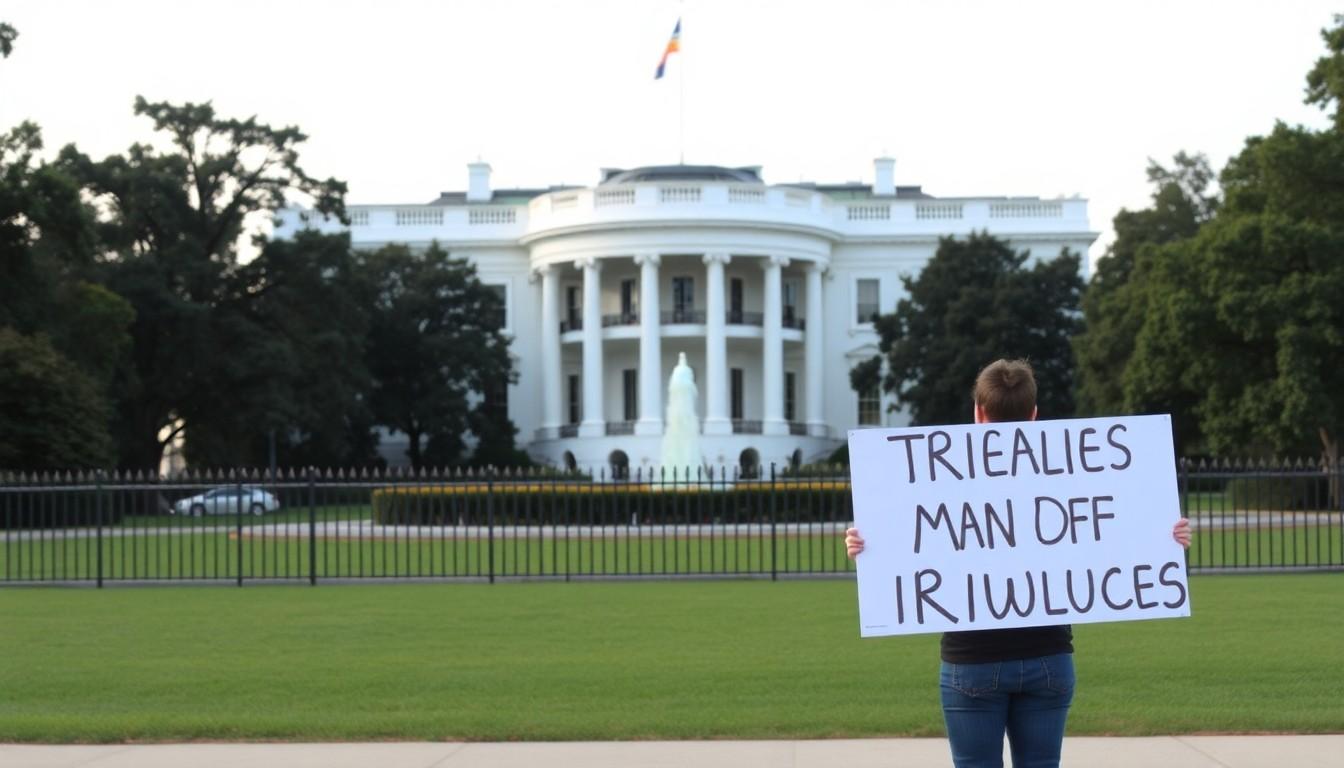
- Visibility: Silent, well-dressed pickets at the White House and other federal sites looked calm but sent a sharp message.
- Impact: Their actions helped shift public conversation and, over time, influenced policy changes ending federal bans on gay employees.
- Tone: Activism was equal parts dignity and defiance , the members wanted respect, not spectacle.
How a firing in D.C. sparked a rights campaign
The story begins with a personal wrong that felt national in scope: a federal employee dismissed over his sexuality. The sting was public and practical , lost job, lost income, lost status , and it pushed Frank Kameny to refuse being quietly erased. According to historical overviews, he and others channelled that anger into organised resistance. The result was a Washington chapter that differed from older, more cautious groups: it aimed to be seen and heard. For readers, imagine the odd contrast , men and women in suits, placards raised, the scene calm and the message unmistakable.
Why Washington became ground zero for gay federal workers
D.C. housed large numbers of civil servants, so when the Lavender Scare’s security arguments took hold, the capital was hit hard. Historians note the linkage between alleged national security risks and sexual orientation made federal employment a minefield for gay people. The Mattachine Society of Washington used that geography to its advantage, protesting where policy was made and felt. Practically, if you wanted to challenge a hiring ban or an executive order, demonstrating in front of the institutions that enforced those rules simply made sense.
Letters, lawsuits and the politics of polite protest
The MSW mixed public pressure with legal-minded moves. Kameny even petitioned the Supreme Court himself , a bold, amateur legal gambit that made history as the first civil-rights-style challenge based on sexual orientation. Alongside those filings, the group flooded officials with letters and newsletters, sometimes addressing the director of the FBI directly. Those tactics weren’t flashy; they were deliberate, designed to hold institutions accountable while maintaining a moral high ground. If you’re thinking about advocacy today, there’s a lesson: steady, multifront pressure often outlasts headline-grabbing stunts.
Facing subpoenas, permits and political backlash , and winning small victories
The MSW’s fundraising licence and requests to solicit donations produced an unexpected theatre of conflict. Local officials and congressional committees scrutinised the society’s paperwork and debated whether a group like theirs should be allowed to solicit funds at all. The back-and-forth made clear how even routine administrative rules can be weaponised against unpopular causes. Yet the society fought these moves in public hearings, refused to betray member privacy, and forced defenders of the constitution to speak up. That exchange demonstrated the practical value of having allies in rights organisations like the ACLU.
From silent pickets to Pride , the visible path to change
One of the most striking images from the era is a small ring of well-dressed protesters circling Lafayette Park in silence. Those early White House pickets were deliberately dignified: business attire, measured slogans and no arrests. Their quiet courage rippled outward, inspiring pickets at the Pentagon and State Department and contributing to a pattern of public protest that fed into larger, later moments , including Christopher Street Liberation Day and the wider Pride movement. Over time, the cumulative pressure helped shift policy; by the mid-1970s federal bans were ending, and apologies came decades later.
Why the Mattachine Society’s tactics still matter now
There’s an argument worth making that the MSW’s blend of legal challenges, paperwork fights and disciplined public protest is a blueprint for modern advocacy in a bureaucracy-filled democracy. They showed that dignity can cut through moral panic, and paperwork can be part of the battleground. For anyone organising today, take note: identify the institutions that enforce the rules, keep records, be prepared to defend members’ privacy and choose tactics that make your opponents reveal themselves. It’s small-c craft and stubborn resolve combined.
It's a small change that can make every protest more sustainable, even decades on.
Source Reference Map
Story idea inspired by: [1]
Sources by paragraph: