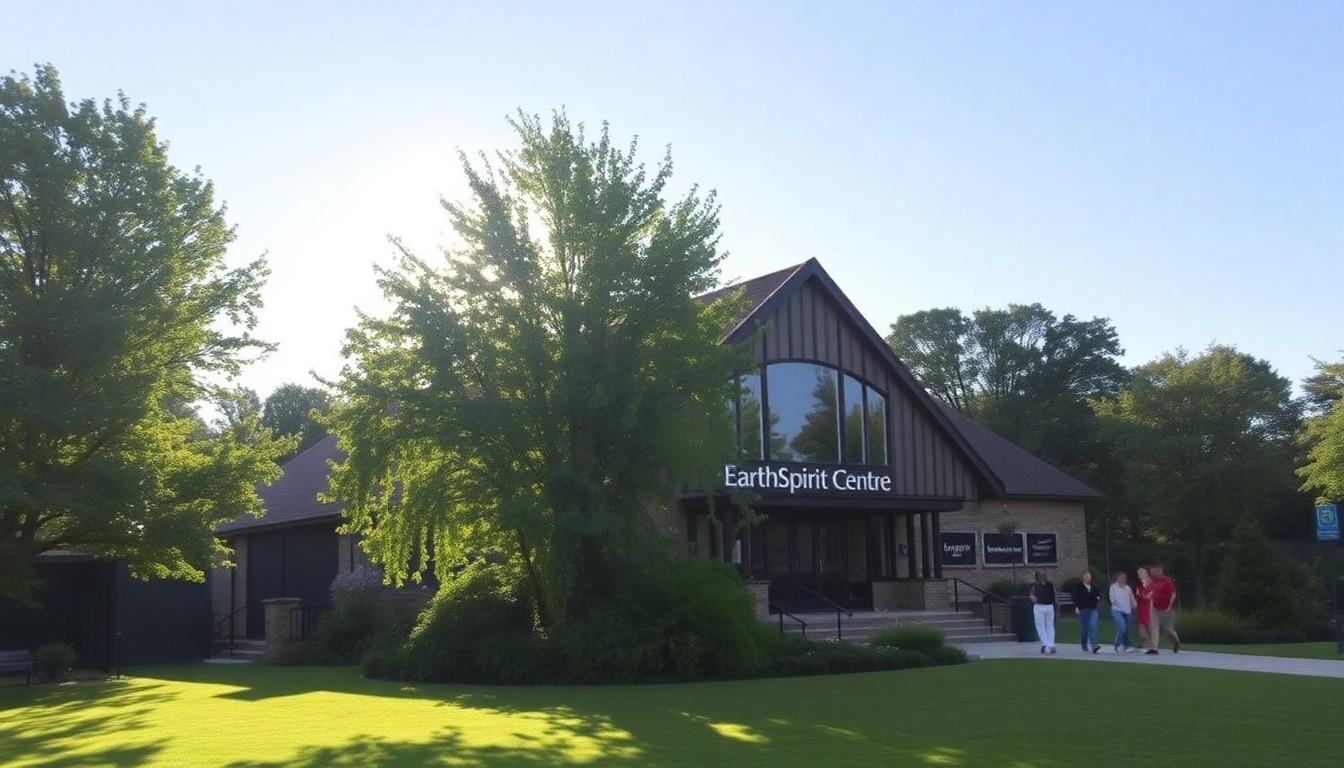
Shoppers of experiences are turning to slower connection: The Love Festival, a five-day sober retreat for men who love men, lands near Glastonbury this August, promising tantra, breathwork and consent-led workshops in a clothing-optional, drug- and alcohol-free setting that aims to reshape intimacy and tackle toxic masculinity.
Essential takeaways
- When and where: The Love Festival runs 29 August–2 September 2026 at EarthSpirit Centre, Compton Dundon, near Glastonbury, on a seven‑acre eco retreat.
- Format: Five days of tantra, breathwork, conscious touch, meditation and creative sessions in a structured, consent-first programme.
- Scale and vibe: Capped at around 120 participants for intimacy and accountability, clothing-optional and sober with a joyful, liberating feel.
- Who it’s for: Open to a range of gender expressions and identities; geared particularly to queer men seeking safer, slower connection away from hook‑up culture.
- Practical note: Expect workshops on body confidence, communication and consent plus facilitated space for play and vulnerability; check TheLoveFestival.uk for booking details.
Why a sober, smaller festival matters right now
The strongest draw here is the pause from pressure , you can almost hear the quiet. Organisers say swapping booze for breathwork helps people stay present and build real emotional safety, and the small cap of roughly 120 guests is intended to foster trust rather than anonymity. According to reporting on similar events, attendees often cite deeper conversations and a calmer, more focused atmosphere when substances aren’t part of the equation. If you’re tired of hookup apps and performative spaces, this is designed to feel like a purposeful alternative.
What the programme actually looks like
Expect a mix of guided practices and facilitated group work: conscious touch exercises, partner and group meditations, breathwork sessions and creative workshops, alongside classes about consent and communication. The schedule moves people through practical skills , how to ask for boundaries, how to give and receive touch safely , and emotional work, like unpicking body image and masculine conditioning. Practitioners are drawn from the UK and overseas, and organisers have emphasised that sessions sit within a structured framework to keep things respectful and accountable.
Who’s running it and their angle on intimacy
Founders Richie Moore and Joey Tabone bring a background in tantra practice and conscious relationship work, and they’ve sharpened the event’s focus since earlier iterations. They describe the festival as a space for vulnerability and play without judgment, aiming to challenge the pressures of image, substance use and toxic masculinity that many queer men still face. Their approach is influenced by established tantra and relational practice models that prioritise consent and co‑created boundaries , think emotional intelligence rather than spectacle.
Practical decisions: is this right for you?
If you’re considering signing up, check a few practical points first: consider your comfort with clothing‑optional spaces, whether a sober environment will help you feel safe and how much facilitated touch you want to engage with. The smaller participant number means workshops may be more intimate and accountability higher, which is great if you want deeper work but less suited to people seeking anonymity. For travel, EarthSpirit Centre is in Somerset near Glastonbury, so plan transport and accommodation logistics early , the festival page has booking info and accessibility notes.
The wider scene: where this festival fits in
This event slots into a broader move towards intentional queer gatherings that prioritise healing and community over partying. Coverage of similar retreats highlights a growing appetite for conscious sexuality, consent education and alternatives to hookup culture. For those who’ve felt boxed in by traditional masculinity or pressured by sexual expectation, festivals like this offer a different vocabulary , one where tenderness, presence and mutual care are the point, not the pretext.
It's a small change that can make every connection feel safer and more meaningful.
Source Reference Map
Story idea inspired by: [1]
Sources by paragraph: