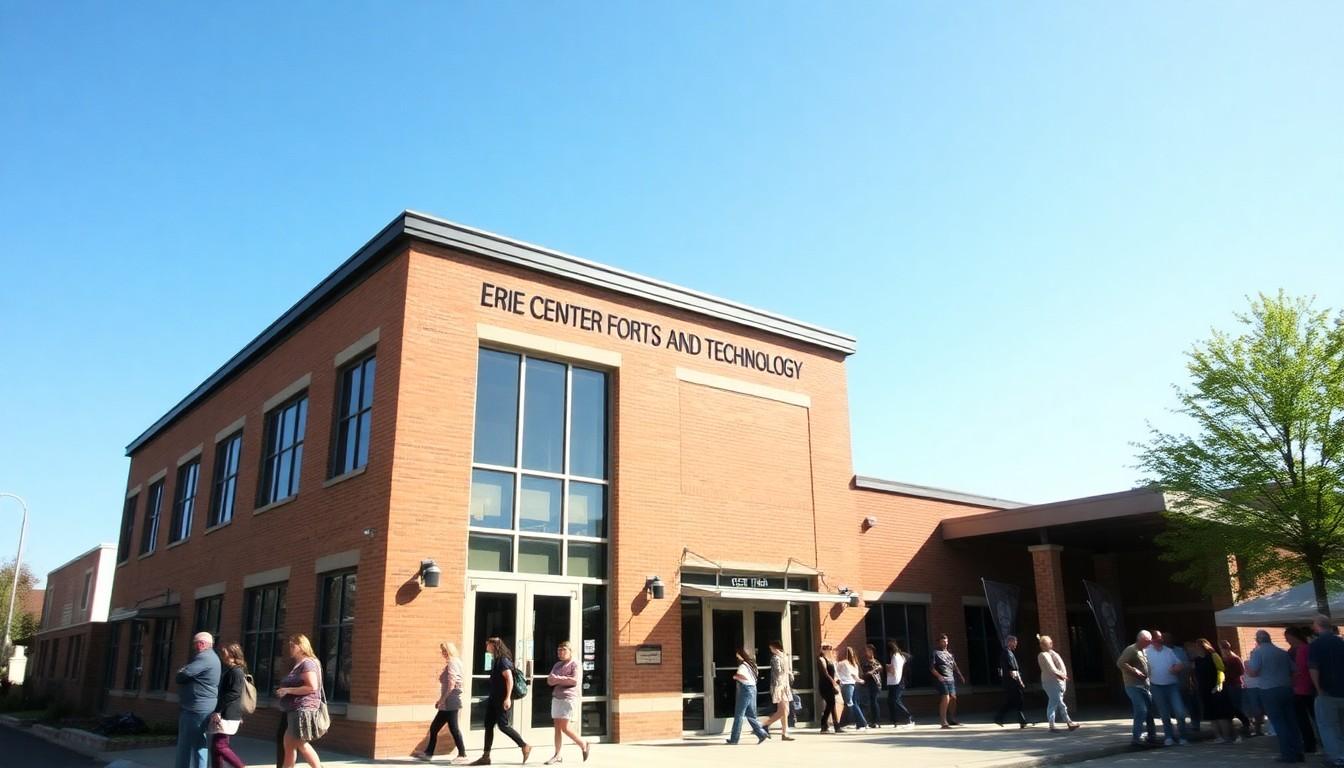
Shoppers, neighbours and activists gathered in Erie for a practical, upbeat session on “LGBTQ+ and Law Enforcement” that explained rights, reporting tips and the history behind hate-crime laws , a timely, community-focused talk that left attendees better prepared and a little braver.
Essential Takeaways
- Clear briefing: Attendees heard a concise history of LGBTQ+ rights and federal acts that shape current protections.
- Practical tips: The talk included how to report crimes, what counts as a hate crime, and safe social media practices.
- Trusted speaker: Ted Hoover from the Persad Center led the session; he’s known locally for engaging, informed presentations.
- Community support: Event funded and hosted by local groups, with refreshments and Pride giveaways adding a warm, social touch.
- Local relevance: The Persad Center’s resources and follow-up services mean help is nearby for those who need it.
A tight, useful briefing that felt both warm and urgent
The session opened with a clear, humane overview of the legal landscape and the emotional stakes; you could hear the room lean in. According to local reporting, Ted Hoover distilled decades of LGBTQ+ history into the essentials, making complex federal acts and court developments feel reachable and relevant. For many attendees, the sensory tone was calm and practical , a relaxed room learning useful steps rather than a lecture hall. If you want to get informed without getting overwhelmed, this is the model.
How the history feeds today’s protections
The talk traced the arc from early discrimination to the statutes and federal guidance that affect policing and hate-crime prosecutions. That backstory matters because it explains why certain incidents are pursued differently and what legal definitions actually mean in practice. Persad Center materials explain their educational mission, and Hoover’s approach mirrors that: history as a tool, not just a story. Knowing the past helps you recognise patterns and spot when escalation is taking place.
Reporting, evidence and social media , practical tips that stick
A large portion of the session focussed on the nuts and bolts of reporting crimes: who to contact, what details help investigators, and how to preserve evidence. Hoover also warned about the double-edged sword of social media , it can document abuse but also inflame situations if handled poorly. For people who might hesitate to report, the take-home was straightforward: document, stay safe, and use community resources for support. If you’re unsure how to size up an incident, ask a local LGBTQ+ service for guidance before you act.
Why a local presenter from Persad matters
Persad Centre’s work , from mental-health services to community education , gives the talk credibility and a route to follow-up care. Hoover’s repeated local appearances mean he knows regional concerns and speaks in a way Erie audiences connect with. The centre’s history and network of locations mean attendees aren’t left with only information; they’re pointed to concrete help. That link between education and services is what turns awareness into safety.
Community backing made the event human
This talk wasn’t just an info dump. Organisers from Erie Gay News, Compton’s Table and local funds provided a friendly venue, Pride-themed giveaways and refreshments, which softened what could otherwise be heavy subject matter. Events like this also build informal networks , the chat over coffee, the exchange of contact details , and those small human moments matter when people need to lean on each other later. Expect more of these grassroots sessions as local groups partner with regional experts.
It's a small step that can make every report clearer and every conversation safer.
Source Reference Map
Story idea inspired by: [1]
Sources by paragraph: