Shoppers are turning to queer-friendly getaways as demand for LGBTQ+ travel soars, with safety, visibility and vibrant nightlife driving bookings; here's which neighbourhoods are trending, why travellers are choosing them and practical tips for planning an affirming trip.
Essential Takeaways
- Market growth: The LGBTQ+ tourism sector is projected to be worth hundreds of billions by the end of the decade, signalling serious spending power and industry focus.
- Top searches: Paris’s Le Marais leads monthly search volume, followed by Berlin’s Schöneberg and Madrid’s Chueca , all known for lively streets and welcoming vibes.
- Rising interest: The Castro in San Francisco logged the biggest year-on-year jump in search interest, with other non-traditional hotspots also climbing.
- Why people go: Travellers prioritise visibility, celebration and local acceptance when choosing queer destinations.
- Practical feel: Expect colourful events, bustling nightlife and neighbourhoods with a distinctly community-led atmosphere.
Why LGBTQ+ travel is booming , and what that really looks like
There’s a clear commercial and cultural swell behind queer travel right now, and you can almost feel it in the search bars. Industry data points to a rapidly growing market worth hundreds of billions in coming years, so companies and destinations are paying attention. Researchers and travel businesses say queer travellers often look first for visibility , pride events, rainbow districts and open celebration , then for local acceptance and safety. That means destinations that blend nightlife, history and community programming have become magnets. For you, that translates into more city breaks built around festivals or neighbourhood guides, plus more tailored tour options from operators who understand queer needs. It’s not just a holiday, it’s a communal experience.
Le Marais, Schöneberg and Chueca: why the classics still win searches
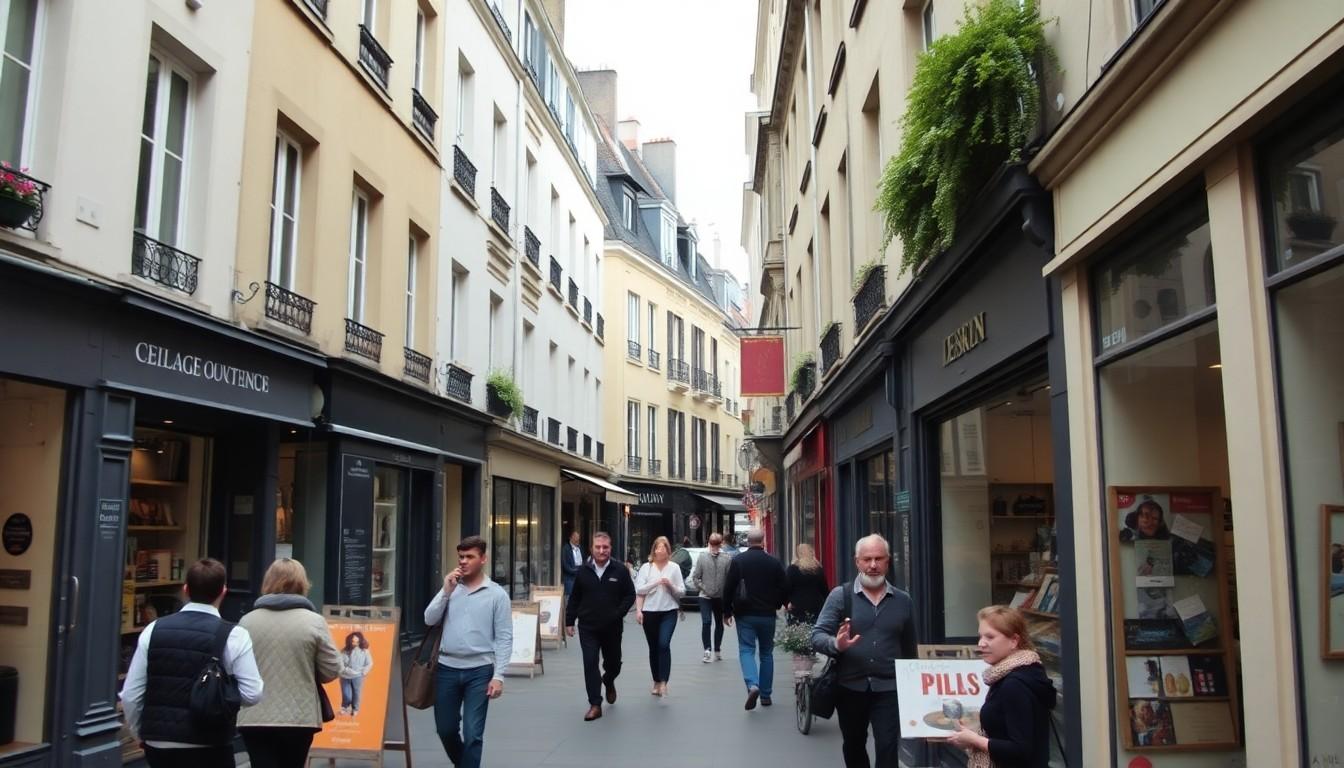
Paris’s Le Marais ranks highest for monthly searches, and for good reason: cobbled streets, cafés, boutiques and an unmistakable sense of queer culture. Berlin’s Schöneberg and Madrid’s Chueca follow as reliable favourites, each offering a mix of nightlife, history and easy-walking neighbourhoods. These districts aren’t only party zones; they’re cultural anchors where art, politics and community converge. That combination keeps them at the top of planning lists for people who want both celebration and substance. If you’re choosing between them, think about what matters more: late-night venues and club culture, or daytime galleries, cafés and historical sites. All three deliver a distinct, neighbourhood feel that’s easy to explore on foot.
The Castro and surprising up-and-comers: searches are shifting
San Francisco’s Castro saw one of the biggest year-on-year spikes in interest, a reminder that historic queer quarters still draw new attention. Equally interesting are smaller places climbing the charts , districts in Copenhagen and Florida, for instance , suggesting travellers want fresh discoveries as well as established hotspots. This shift reflects a wider trend: people want destinations that feel lived-in and welcoming rather than sanitized tourist zones. For travellers who prefer somewhere off the beaten path but with a strong queer community, those rising towns are worth a second look. Practical tip: check local event calendars before you travel , even smaller towns can host unexpectedly vibrant pride weeks or community festivals.
Safety, acceptance and the politics of booking a queer holiday
Politics plays into travel choices more than ever. With varying levels of LGBTQ+ protections worldwide, many travellers weigh local laws and social attitudes alongside nightlife and culture. Destinations that advertise openness and legal protections tend to rank higher in searches. That’s why long-established havens often remain top of mind, while destinations that visibly support queer visitors see rising interest. Travel agents and online resources are increasingly flagging safety and legal context as part of their recommendations. If you’re planning a trip, look beyond reviews for details on local laws, community resources and whether venues are known to be welcoming , it pays to be informed.
How to choose the right queer getaway for you
Start by deciding what you want most: big-city nightlife, neighbourhood culture, history or a laid-back beach scene. Then cross-check that with current search trends and local safety information. Nightlife districts like Darlinghurst or Hell’s Kitchen promise late evenings and bars, while places such as Le Marais offer a more walkable, café-driven pace. Consider timing: travelling during pride or festival season can be brilliant for visibility and events, but it also means crowds and higher prices. For a quieter visit, choose shoulder seasons or local community events instead. Finally, reach out to local queer organisations or specialised travel agents for up-to-date tips , they often know the best safe spaces and lesser-known gems.
It's a small change that can make every trip more welcoming and memorable.
Source Reference Map
Story idea inspired by: [1]
Sources by paragraph: