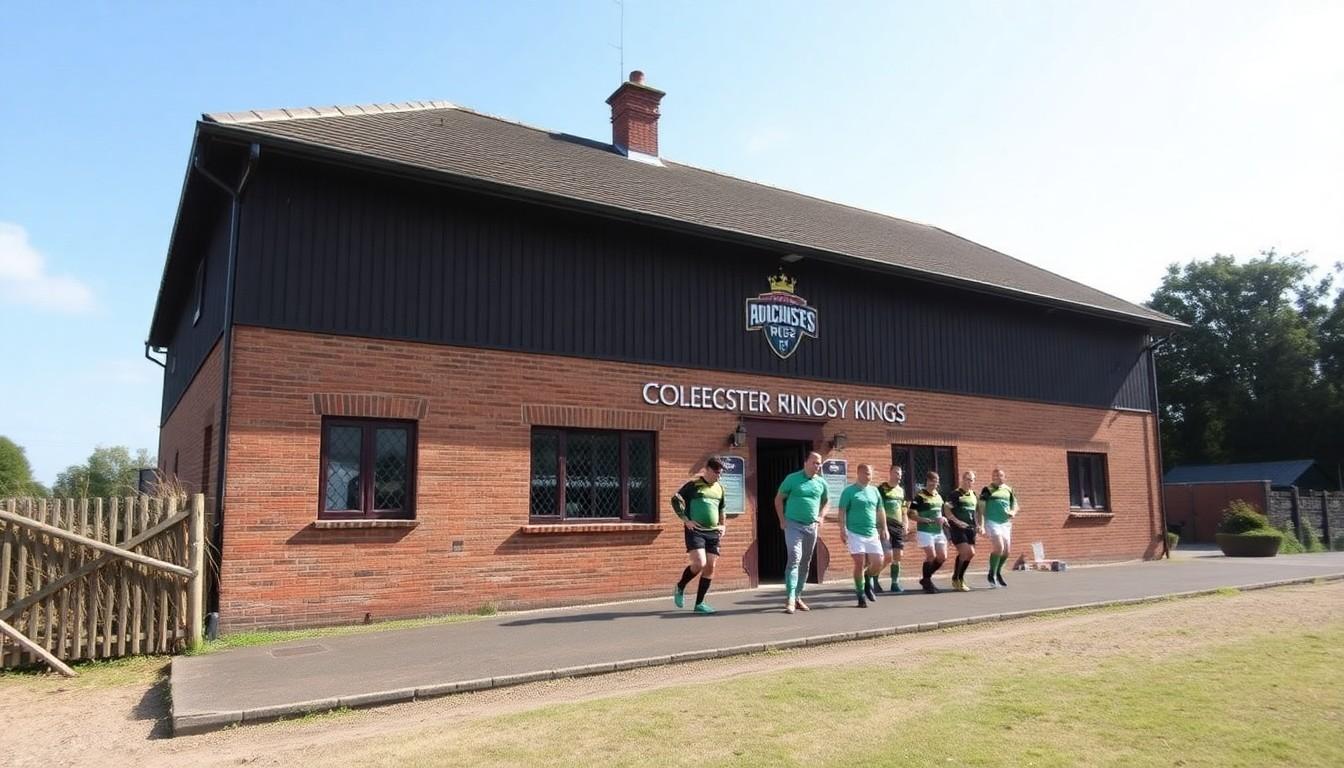
Shoppers are turning to community sport with a twist , inclusive rugby is booming across Essex, Norfolk and Cambridge, giving LGBTQ+ players and allies a visible, welcoming place on the pitch and changing local club culture. Here’s why new teams are popping up and how to join the movement.
Essential Takeaways
- Strong demand: Local pioneers saw dozens at first sessions , Colchester Kings attracted about 30 people on day one, now growing to around 120 associated members.
- Community feel: Players and managers describe clubs as family-like, friendly, and welcoming to newcomers and supporters.
- IGR backing: Clubs aim to join or already belong to International Gay Rugby, which promotes visibility and tolerance in sport.
- Range of ages and abilities: Teams report members from late teens to people in their 50s, and many members are new to rugby.
- Practical access: New regional teams reduce travel for fixtures and make regular matches and training easier to organise.
How a Saturday training session sparked a regional movement
The simplest scenes often stick with you , a chilly pitch, a dozen nervous smiles and a ball that brings people together. That was the start for the Colchester Kings, who expected a modest turnout but had 30 people show up for their very first training. According to club founders and local reporting, that immediate energy signalled real demand for a place where LGBTQ+ players could feel visible and safe on the pitch. Since then, the Kings have become a hub with players, coaches and supporters numbering into the hundreds, and their success encouraged similar teams across Essex and Norfolk.
What inclusive rugby actually means , and why it matters
Inclusive rugby clubs operate with a clear purpose: to provide opportunities for LGBTQ+ people to play competitive rugby while promoting respect for all gender identities and sexualities. International Gay Rugby exists to support those aims and counts around 150 clubs globally, giving new teams a framework and sense of legitimacy. The practical result locally is simple: people who might have felt intimidated by traditional clubs now have a friendly alternative where they can learn the game, coach, referee or just cheer from the sidelines.
New clubs are reshaping local fixtures and travel
One of the practical headaches for small or specialist sides used to be long journeys for fixtures. Founders say growth in the East of England is changing that , more teams in Essex, Norfolk and Cambridgeshire means less cross-country travelling, more local friendlies and better regular turnouts. For players who once felt isolated, having a nearby club cuts the friction of participating and encourages more consistent training and match play.
The culture: why allies join and why beginners stay
A recurring line from club captains and managers is that inclusive rugby isn’t just for LGBTQ+ players; plenty of allies join because they prefer the culture. Teams describe a family-like atmosphere where friendships form quickly and people support each other off the pitch as much as on it. Many members are newcomers to the sport , clubs intentionally welcome people who’ve never held a ball before , so coaches and experienced players focus on making sessions accessible and confidence-building.
How to find or start a local inclusive side
If you want to join an established club, check local pages and IGR’s club listings for contact details and training times; many clubs also promote themselves at Pride events and community stalls. If there isn’t a club near you but there’s interest, founders suggest starting small: post in local community groups, book a slot at a local rugby ground and see who turns up. Crowdfunders and community grants can help with kit and accessibility costs, and affiliating with IGR gives new teams structure and support.
It's a small change that can make every match feel more welcoming.
Source Reference Map
Story idea inspired by: [1]
Sources by paragraph: