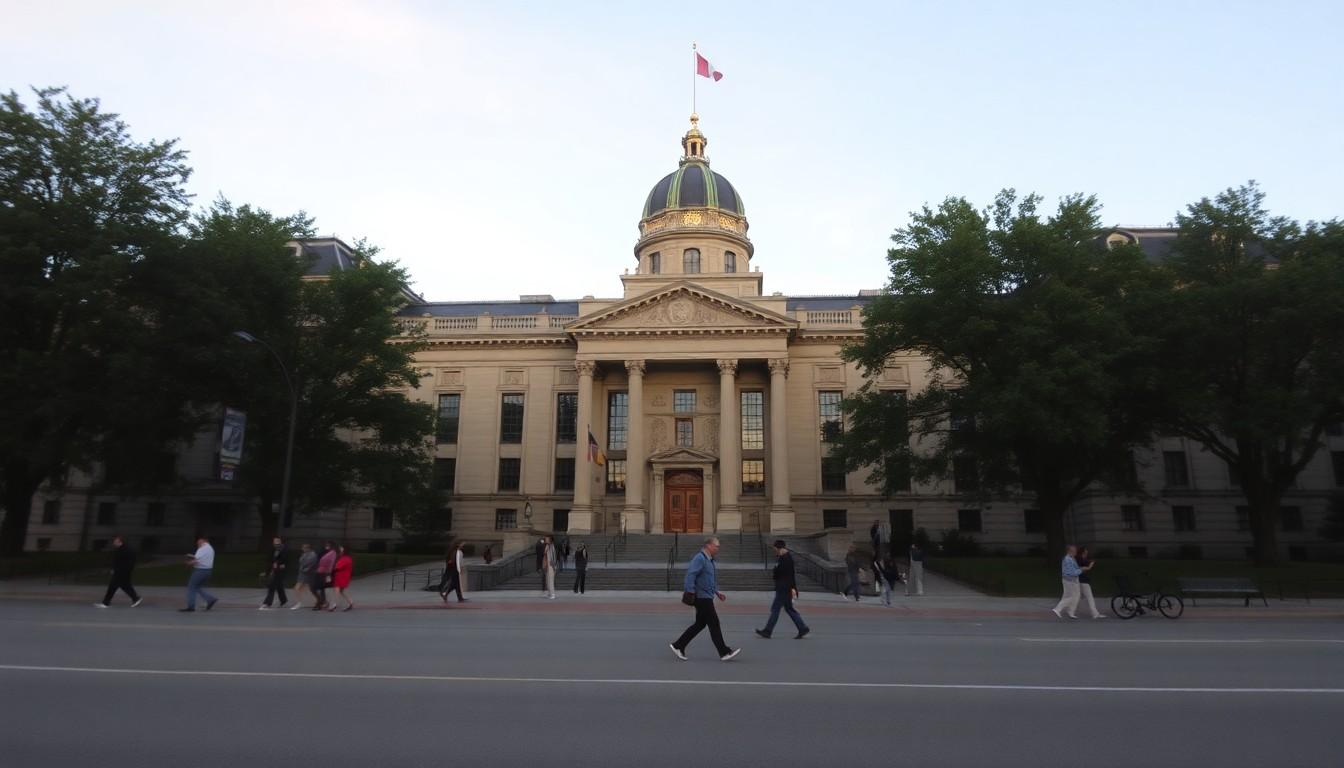
Shoppers and residents are watching as Minneapolis moves to repeal its 1988 gay bathhouse ban, a change supporters say modernises public health strategy, boosts tourism and removes a law born of panic during the AIDS crisis. City councillors heard hours of testimony this week as the vote nears.
Essential Takeaways
- Public hearings packed: More than 30 speakers urged repeal, citing modern outreach and safer-sex education.
- Health-first argument: Advocates say regulated venues make it easier to deliver services, testing and information.
- Economic angle: Supporters argue repeal could strengthen Minneapolis as an LGBTQ-friendly destination and spur local revenue.
- Culture-war flashpoint: National conservative coverage has already turned the proposal into a partisan talking point.
- Mayor signals support: The mayor has indicated he would sign repeal if the council approves it.
Why this matters now: from panic-era law to public-health debate
Minneapolis’ 1988 ordinance was born in a moment of immense fear and uncertainty, and that historical atmosphere still hums through city hall. Advocates told councillors this week that keeping the ban preserves a punitive posture rather than a pragmatic one, and that regulated spaces let health workers reach people with tests, condoms and information in a calm, visible way. According to reporting by local outlets, the city’s second public hearing drew a broad cross-section of voices who said the law no longer fits contemporary HIV prevention tools like PrEP and rapid testing.
What supporters are arguing: safety, outreach and the economy
LGBTQ advocates, public-health groups and some tourism boosters are framing repeal as three-fold: it’s a public-health win, a civil-rights correction and a modest economic opportunity. Speakers noted the practical upside , venues that operate openly can host outreach events, provide condoms and referrals, and partner with health organisations , and also suggested a regulated framework could make Minneapolis a clearer destination for queer tourists. Those points featured prominently in testimony reported by regional media during the hearings.
The legacy question: history, Brian Coyle and complicated choices
The debate hasn’t erased history. Council members and activists referenced Brian Coyle, Minneapolis’ first openly gay councillor, who supported the original restrictions during the height of the AIDS crisis. Some argue his vote reflected the painful calculus of the moment; others say homophobia shaped policy as much as public-health concerns. Council Member Jason Chavez told reporters he respects that legacy while still believing laws should evolve with new science and social norms.
Culture-war fallout: how national politics have reshaped a local decision
It didn’t take long for national outlets to amplify the issue as a culture-war symbol, and that framing has complicated local discussion. Supporters insist the measure is about governance and health, while opponents and some conservative commentators cast repeal as a provocative cultural choice. Observers say election-year dynamics make local policy especially vulnerable to sensationalised coverage, which can drown out the nuts-and-bolts conversation about regulation, licensing and safety standards.
Choosing regulation that works: practical next steps for the city
If the council votes to repeal, the next work will be regulatory detail: licensing requirements, neighbourhood zoning, health inspections and age verification protocols. Public-health groups at the hearings urged rules that facilitate outreach rather than shut it down , for instance, mandatory on-site information, clear sanitation standards and partnerships with local clinics. For residents weighing the change, the useful questions are simple: will rules protect minors, promote safety and allow inspections? Those are the lines that will determine whether repeal is symbolic or substantive.
It's a small change in law with outsized implications for public health, civil rights and how cities manage adult spaces.
Source Reference Map
Story idea inspired by: [1]
Sources by paragraph: