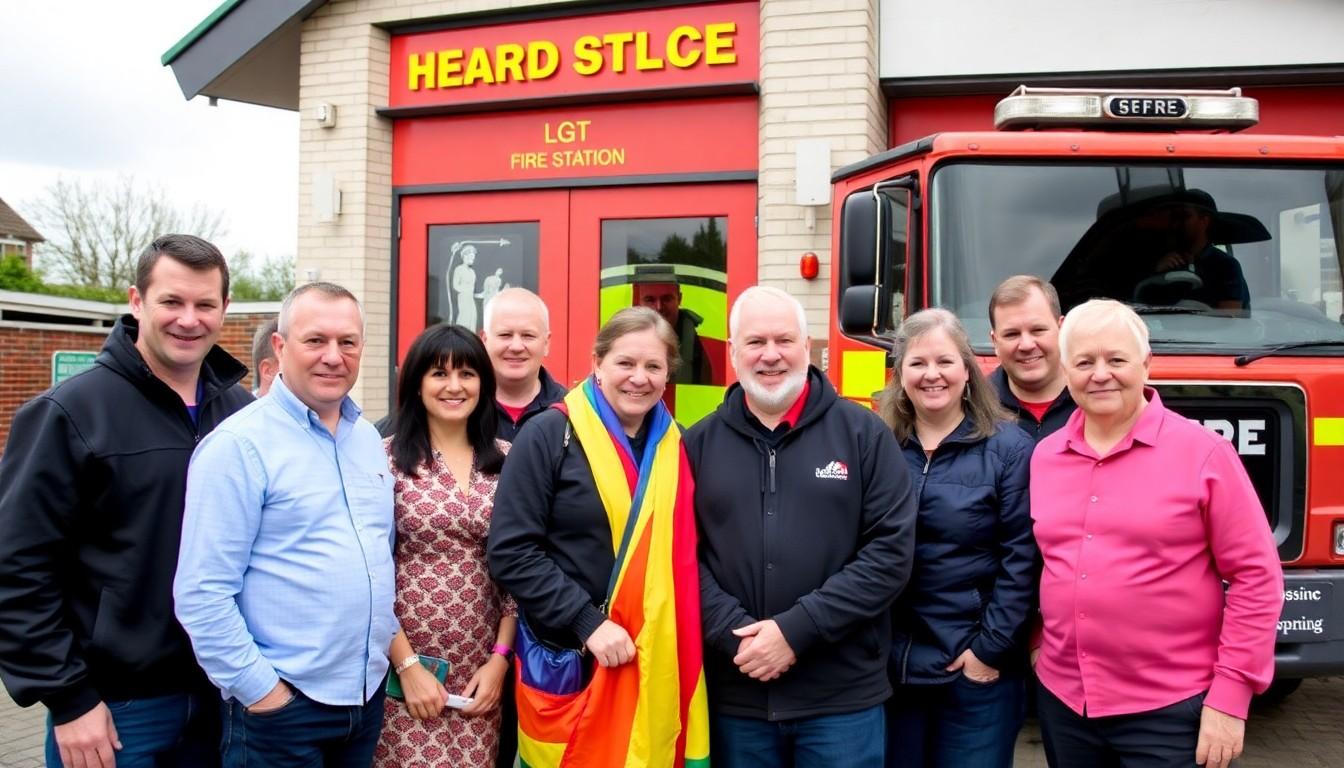
Shoppers and supporters are noticing a worrying trend as emergency services and councils step back from Pride this summer; local organisers in Merseyside, Birmingham and St Helens say the withdrawals remove visible reassurance and community outreach at a time when it matters most.
Essential Takeaways
- MFRS pause: Merseyside Fire and Rescue Service has suspended Pride participation while it seeks independent legal advice after a High Court judgment about public authority impartiality. It asks for historical images to be removed; organisers have resisted.
- Other services follow: Similar withdrawals include West Midlands Ambulance Service from Birmingham Pride, and a St Helens council leader cancelling local support, signalling a wider sector shift.
- Community impact: Organisers say the loss is more than optics , it erodes outreach, reassurance for younger LGBTQ+ people and the hands-on help emergency services previously provided.
- Organiser response: Wirral Pride and Liverpool charities plan to keep events running, stressing consistency and monitoring how neutrality policies are applied.
- Practical note: If your event loses official support, consider documented outreach, clear signage for safety, and alternative volunteer first-aid covers.
A sudden silence where sirens once marched
It’s striking how empty a parade route can feel without familiar uniforms and smiling crews, and organisers in Wirral say that’s exactly how Pride feels this month. According to local reports, Merseyside Fire and Rescue Service told Wirral Pride organisers it will not officially attend while it reviews its duties after a High Court decision about impartiality. The service says it remains committed to serving everyone, but the immediate withdrawal has left organisers and attendees disappointed.
This isn’t just about photographs or a missing banner. Parade presence from local emergency teams has been a morale booster and a practical safety measure, especially for young or vulnerable people. Event leads have offered to date-stamp archival photos rather than delete them, arguing history shouldn’t be erased, and they’ll be watching any new guidance closely.
It’s not isolated , a pattern across services and councils
Across the country, similar decisions are cropping up. West Midlands Ambulance Service withdrew its official involvement from Birmingham Pride, and in St Helens the new council leadership instructed officers to cease engagement with Pride altogether. These moves follow political shifts and legal interpretations that are reshaping what public bodies see as permissible involvement in community events.
Campaigners worry about inconsistency. If neutrality is the rationale, organisers ask for clear, transparent rules that apply to all faith-based or community events , otherwise the changes risk singling out marginalised groups at moments when visibility is vital.
What organisers are doing to fill the gap
Event teams aren’t folding. Volunteers, charities and other emergency services are stepping up where they can, and some towns have shown community-funded alternatives work , St Helens hosted a successful Pride funded by grassroots groups after council support was withdrawn. Wirral Pride and Liverpool’s LGBTQ+ charities say they remain hopeful of engagement with MFRS in future but are planning contingencies now.
Practical measures being taken include recruiting more trained stewards, hiring private first-aid providers, and keeping clear communications so attendees know where to find help. It’s an expensive and time-consuming pivot, but one that keeps events safe and welcoming.
Legal advice and the duty of impartiality , what public bodies say
Fire and rescue services emphasise they’re acting to ensure compliance with statutory duties. Merseyside Fire and Rescue Service has pointed to recent legal developments and stated it’s seeking independent legal advice before re-committing to external events. The tone from services is cautious: they want to avoid breaching impartiality obligations while still serving every community.
That legal caution, however, leaves a human gap. Organisers and charities stress that attendance at Pride has historically been community outreach, not political endorsement, and that withdrawing visibility can harm trust built up over years.
How communities and attendees can respond this summer
If you’re heading to Pride and notice fewer official teams on the route, there are simple ways to stay safe and keep the spirit alive. Check event social feeds for first-aid points and steward numbers before you go. Support community-run provisions by donating or volunteering. And if you’re organiser-facing, document communications with public bodies and ask for written policies explaining any withdrawal , consistency matters.
Visibility and support don’t vanish overnight; communities adapt. But the conversation about how public bodies balance impartiality with inclusion is one to watch, because these decisions affect how safe and welcomed people feel at a local level.
It’s a small change for some, but for those who rely on that visible support it can matter a great deal.
Source Reference Map
Story idea inspired by: [1]
Sources by paragraph: