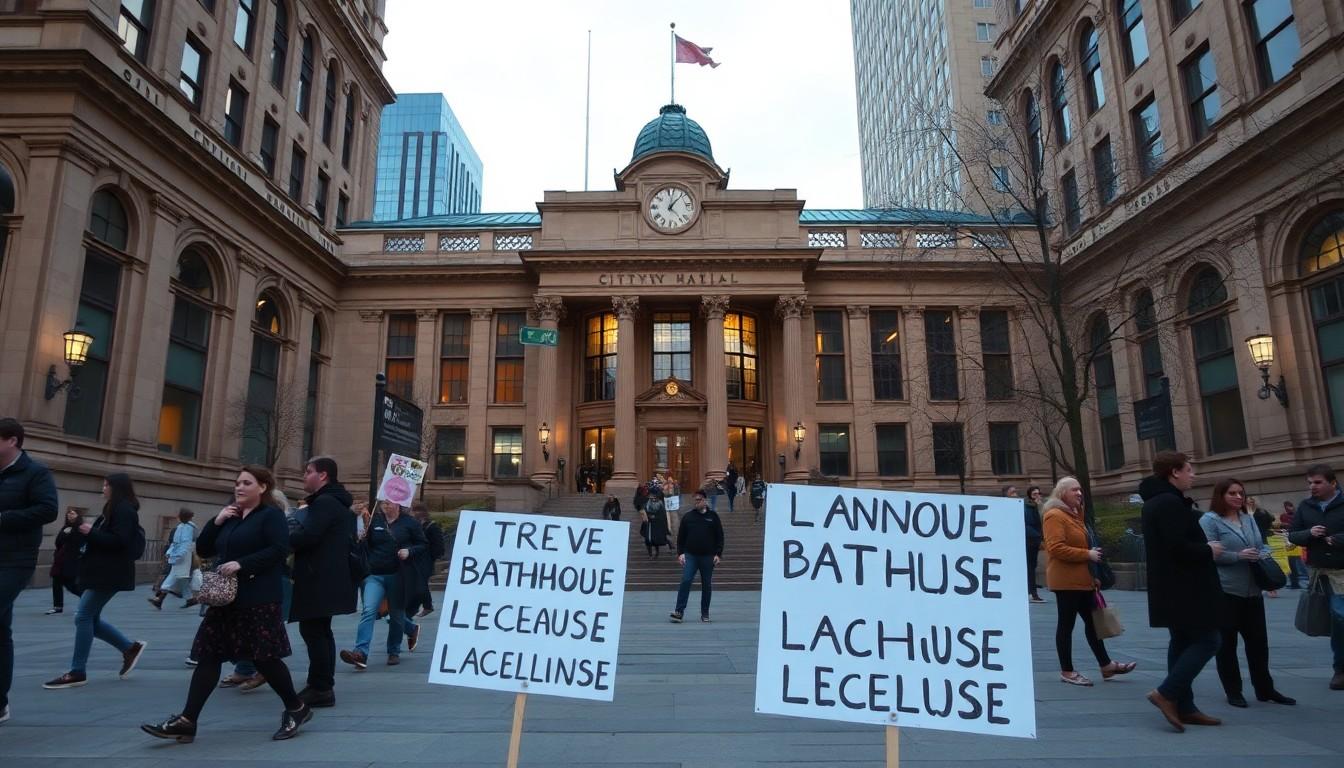
Watchers and residents are weighing in as Minneapolis moves to repeal a 1988 ban on adult bathhouses , supporters say legalising and regulating venues would improve public health, protect LGBTQ spaces and boost tourism, while opponents warn of tricky history and community debate.
Essential Takeaways
- What’s changing: The city council is considering repealing a decades-old ordinance that outlawed venues where consenting adults can engage in sexual activity.
- Public sentiment: More than 30 speakers at recent hearings largely supported repeal, including LGBTQ advocates who argue the ban targeted gay men and people with HIV/AIDS.
- Health argument: Researchers and harm-reduction groups say bringing venues into regulated spaces makes outreach, testing and safer-sex education easier.
- Political context: Minneapolis’ mayor signalled he would sign a repeal if passed, but the issue carries historic weight because the ban was backed by prominent gay leaders during the AIDS crisis.
- Practical effect: If legalised, venues would be subject to new rules and inspections , a shift from shadow spaces to regulated businesses that would be easier for health services to reach.
Why this debate suddenly matters again
Minneapolis has been revisiting an ordinance written in the heat of the AIDS crisis, and the city council is now hearing arguments that repealing it would modernise public-health strategy. Attendees at the hearings described the current ban as a relic that pushed sexual activity into hidden places, making outreach and prevention harder. The mood in the room was part practical , about safer-sex access , and part symbolic, about recognition and dignity for LGBTQ people.
The health case: regulation beats prohibition
Public-health advocates argue regulation allows on-site education, testing and condom distribution, and makes inspections routine rather than clandestine. According to community researchers and groups active in harm reduction, outreach works better when venues are visible and accountable. If councils adopt sensible hygiene, age and consent safeguards, they say, the city can reduce risk while offering safer spaces.
The history that complicates the present
This isn’t a blank-slate policy choice. The 1988 ban came during an epidemic and enjoyed some surprising supporters at the time, including LGBTQ leaders who feared venues would worsen the crisis. That history surfaced repeatedly in hearings, with speakers reminding the council that decisions then were shaped by different knowledge and fear. City officials and activists now balance respect for that history with new public-health evidence and changing community values.
What regulation could look like , and why size and rules matter
If the council votes to repeal, new ordinances would likely include licensing, age verification, building standards and requirements for staff training on consent and infection control. For residents and potential visitors, that means venues would feel less clandestine and more like other hospitality businesses: clear rules, inspections and consumer protections. For people choosing venues, look for those with transparent policies, visible staff, and easy access to sexual-health resources.
Politics and practicalities ahead of the vote
City leaders say this isn’t a headline-grabbing priority, but the debate has attracted supporters from tourism and public-health circles who see potential economic and social benefits. The mayor has indicated willingness to sign a repeal, so the council vote will be decisive. Expect more testimony, local media coverage and careful drafting so regulations avoid loopholes while protecting residents and workers.
It's a complicated conversation with practical stakes for health, history and community life , and one the council will settle next week.
Source Reference Map
Story idea inspired by: [1]
Sources by paragraph: