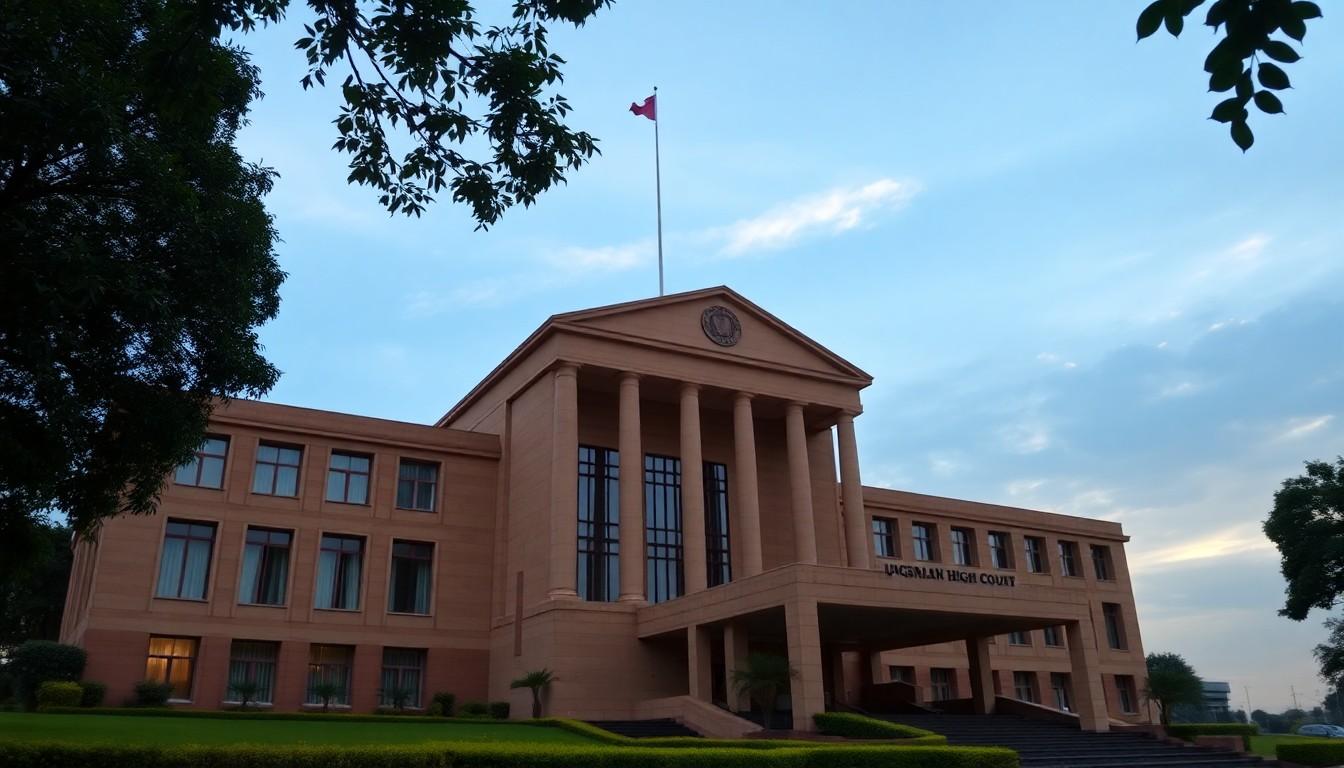
Shocking new laws are sweeping parts of Africa, as several countries tighten penalties for same‑sex relations and activists warn of growing risks. This piece looks at who’s passing the bills, what the penalties are, why politicians are doing it, and what people on the ground and international bodies are saying.
Essential Takeaways
- Harsh penalties: Several nations now impose prison terms , and in one high‑profile case, laws include the death penalty for aggravated offences.
- Recent roll‑calls: Since 2023 a string of countries have tightened criminalisation, including Burkina Faso, Niger, Senegal and Ghana.
- Political drivers: Leaders are courting conservative voters and rejecting “Western values”, making LGBTQ rights a convenient political wedge.
- Human impact: Rights groups report increased arrests, convictions and fear among LGBTQ communities, with knock‑on effects for health and safety.
- International response: Human‑rights organisations and some foreign governments have condemned the moves and warned of diplomatic and aid consequences.
What the new laws actually say , and how severe they are
The legal changes aren’t minor tweaks; they increase prison terms or create new offences that criminalise presence, promotion or even advocacy. In several cases penalties jump to multiple years behind bars. One earlier law in Uganda set a brutal precedent by introducing “aggravated” categories with maximum penalties so extreme they alarmed human‑rights groups. The result is a patchwork of statutes that vary in wording but share the same effect: far greater legal risk for LGBTQ people and anyone who supports them.
According to human‑rights monitors, this legislative wave is producing real convictions as courts apply the new codes, not just symbolic prosecutions. That means people are being prosecuted, jailed and, in some jurisdictions, left with criminal records that make everyday life , work, housing, healthcare , even harder.
Why politicians are pushing these laws now
Politicians often talk about tradition and morality, but the timing also reflects political calculation. Lawmakers in several capitals are using anti‑LGBTQ rhetoric to rally conservative bases, distract from economic troubles, or frame themselves as defenders against foreign influence. Leaders portray LGBTQ rights as imported “Western values,” which resonates politically in places where nationalism and cultural sovereignty are persuasive. That rhetorical framing makes legal crackdowns both politically popular and politically expedient.
This isn’t just culture‑war posturing: the bills are passed through parliaments, signed into law and then enforced. Observers note that when democracy or the economy stalls, identity politics can become a fast route to garnering attention and votes.
What this means on the ground for LGBTQ people
The practical effects are immediate and frightening. People report a rise in harassment, arbitrary arrests and social ostracism. Clinics and outreach groups that provide sexual‑health services face shrinking space to operate because staff fear prosecution or community backlash. Families and communities fracture as people hide partners or flee cities for safety.
Rights organisations say criminalisation worsens public‑health outcomes because it drives people away from testing and treatment. For many, even the fear of being reported , by neighbours, employers or religious leaders , is enough to curtail everyday life.
International and regional reactions , pressure, sanctions, and diplomacy
Human‑rights groups, some foreign governments and international bodies have condemned the laws and warned of reputational and, in some cases, aid consequences. Critics argue legal crackdowns violate international standards and jeopardise cooperation on other issues, from development to security. Meanwhile, governments passing the laws frame international criticism as interference, which only deepens the diplomatic stalemate.
Some donors and partners are weighing targeted responses, but the impact is uneven. Cutting aid can punish vulnerable populations as much as governments, so foreign policy responses require careful calibration.
What activists and legal experts say can help
Legal challenges in domestic courts and strategic litigation at regional human‑rights bodies remain key tools for activists. So do discreet support networks that help people relocate, access healthcare and legal aid, or hide from persecution. International solidarity , funding for local NGOs, quiet diplomacy and pressure to uphold human‑rights commitments , can help blunt the worst impacts without leaving communities short of services.
Practical advice for those concerned: stay informed of local laws, support verified local organisations providing legal and health aid, and consider advocacy that pairs pressure with practical safeguards for at‑risk people.
It's a small change in law that makes a huge difference to daily safety , watch how communities and courts respond next.
Source Reference Map
Story idea inspired by: [1]
Sources by paragraph: