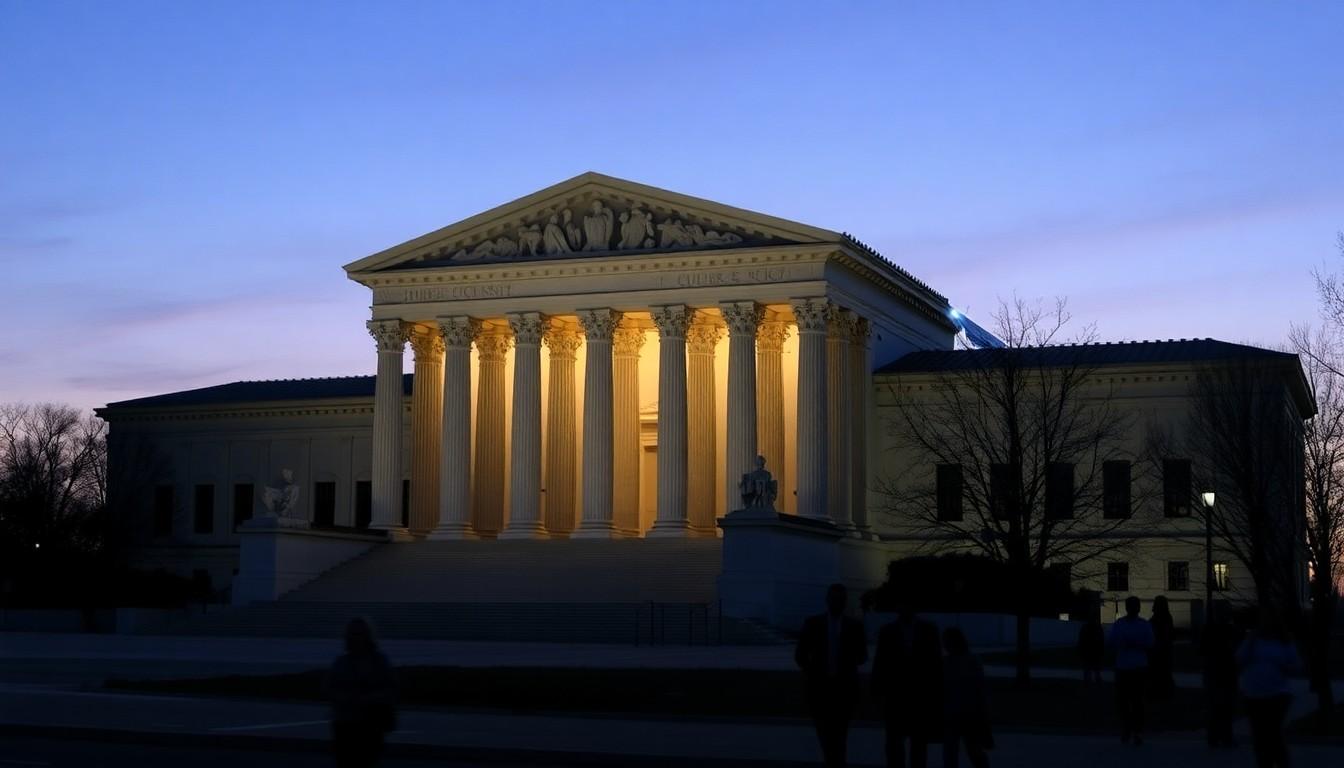
Watch how progress keeps colliding with backlash: activists, lawmakers and everyday people across the United States have marked real gains for LGBTQ rights since 2000, but legal fights and new state laws show how fragile those wins remain , and why this matters for families, schools and healthcare.
Essential Takeaways
- Lived progress: Major legal wins like marriage equality and Bostock have expanded rights nationwide, changing how many LGBTQ people live, work and form families.
- Patchwork protection: State laws still vary wildly , from sheltering trans healthcare to enacting bans , so rights feel different depending on where you live.
- Medical advances: PrEP and long-acting injectables transformed HIV prevention, reducing fear and changing public health approaches.
- Political vulnerability: Court decisions and federal actions can cement gains , or open them to challenge , making civic engagement crucial.
- Personal stakes: Policies on schools, sports and healthcare directly affect young people and families, not just abstract legal theory.
How two decades of court rulings reshaped everyday life
The headline legal moments , from Lawrence to Obergefell and Bostock , didn't just rewrite statutes, they altered expectations about safety, dignity and belonging. You can still feel the shift in quieter ways: partners who could finally access spousal benefits, workers who could bring complaints of anti-LGBTQ bias, and young people seeing legal validation of their identities. According to legal analyses, these rulings created a stronger constitutional footing for equality, even as advocates warned that precedent alone wouldn't stop new attacks. If you're choosing where to live, register to vote, or plan a family, these rulings matter in practical, everyday ways.
Why state battles make America feel like many different countries
One of the clearest lessons of the past 26 years is that progress arrives unevenly. While some states have moved to protect gender-affirming care and expand nondiscrimination laws, others have passed restrictions on school instruction or banned certain medical treatments for minors. That patchwork means a trans teenager's rights can vary dramatically at the state line. Activists and legal groups now spend huge resources in state courts and legislatures because that's where the fight is often won , or lost. When you hear about a new bill in your area, it isn’t abstract politics; it’s a change that could touch classrooms, clinics and community centres.
Cultural visibility helped, but representation had limits
Television shows, public figures and openly LGBTQ politicians helped shift public opinion by making queer lives visible and relatable. Still, early breakthroughs often lacked diversity, missing trans, nonbinary and people of colour stories. Representation expanded over the 2010s and 2020s, and that broadened public empathy , but gaps remain. Media exposure can change attitudes, yet it doesn't automatically translate to policy protection. For consumers of culture, that means supporting diverse creators matters not just for art, but for whose experiences inform the public debate.
Medical leaps: PrEP, Apretude and the new public health reality
HIV prevention went from crisis-era fear to a suite of highly effective tools. Truvada, Descovy and the long-acting injectable Apretude changed how clinicians approach prevention, and they reshaped conversations about sexual health. Public-health advocates say the impact is both practical , fewer transmissions , and psychological: less stigma, more agency. But access remains uneven; insurance coverage, rural clinics and public awareness all shape who benefits. If you or someone you care about is sexually active, talk to a clinician about prevention options , it's become standard healthcare advice rather than something only specialists discuss.
Politics, backlash and why activism stays necessary
Every wave of legal wins has prompted a wave of resistance: ballot-box bans, “bathroom bills,” limits on classroom discussion and attacks on gender-affirming care. The pattern is familiar , a cultural gain followed by legislative pushback , and it's driven politics in tight races and Supreme Court fights. Lawmakers can enshrine protections, but they can also try to carve them back, so advocates treat civics as an ongoing project. For anyone who cares about these rights, engagement at the local level and attention to state races matter as much as national headlines.
What families and communities should watch next
Look for where state legislatures move on schools, sports participation and healthcare rules, and watch local school boards and hospital policies for immediate effects. Legal organisations are preparing to defend or extend protections, and public-opinion trends still tilt toward greater acceptance, especially among younger voters. Practically speaking, families should keep documents updated, learn local laws affecting healthcare and schools, and connect with community legal clinics if they face discrimination. It's a cautious optimism , gains are real, but vigilance is essential.
It's a small change that can make everyday rights feel more secure , and worth defending.
Source Reference Map
Story idea inspired by: [1]
Sources by paragraph: