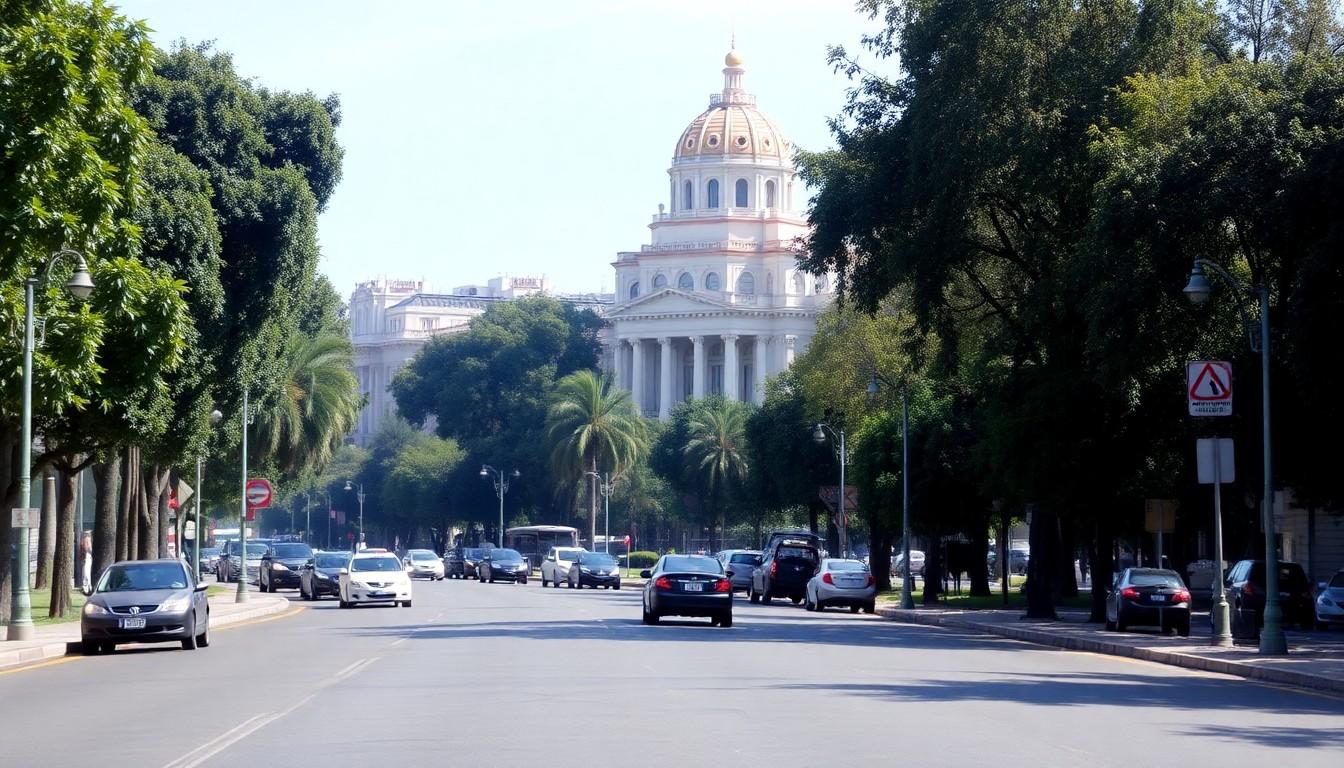
Shoppers, fans and marchers are adjusting plans as Mexico City confirms the Pride 2026 parade will end on Eje Central by Palacio de Bellas Artes, not at the Zócalo , a practical compromise that lets the World Cup Fan Fest and Pride celebrations coexist while keeping routes clear and crowds safer.
Essential Takeaways
- New finish line: The Pride march will close on Eje Central Lázaro Cárdenas at Palacio de Bellas Artes, avoiding the Zócalo.
- Zócalo access: Attendees can still reach the Plaza de la Constitución, where the official Fan Fest for the 2026 World Cup is set up.
- Route specifics: Floats and vehicles will travel along Paseo de la Reforma, finishing on Reforma Norte before Avenida Juárez.
- Coordinated agreement: Authorities, activists and groups reached the plan through dialogue to balance safety, celebration and the big football event.
- Vibe note: Expect a lively, inclusive atmosphere that blends Pride colours with the buzz of a major sporting festival.
Why the finish moved , quick, visual reasoning
City officials say the switch to Eje Central keeps the march vibrant and public but prevents crowding at the Zócalo, where the FIFA Fan Fest is already installed. It sounds bureaucratic, but imagine two huge street parties trying to fit through a single square , this is the sensible reroute that still leaves both celebrations visible and audible to one another. It’s practical for crowd control and gives marchers a dramatic backdrop in front of Bellas Artes.
What the new route looks and feels like
The march still uses Paseo de la Reforma, a broad, tree-lined avenue that gives floats room to breathe and onlookers space to cheer, then finishes on Reforma Norte before Avenida Juárez. That means a long, cinematic procession with the cultural landmark of Bellas Artes providing a photogenic finish. For anyone marching, the route feels expansive and public; for spectators, there’s plenty of vantage points and pedestrian flow.
How organisers reached this compromise
According to city officials, the change came from talks between the government, activists and LGBT+ organisations. They say this was aimed at guaranteeing an orderly event while letting the World Cup Fan Fest proceed. It’s the kind of negotiation that shows civic give-and-take: organisers kept Pride central and visible, while authorities protected logistics around the Fan Fest. That kind of cooperation matters when two major events collide.
Practical tips if you’re going to Pride or Fan Fest
Go early if you want a front-row spot , both events will attract big crowds. Wear comfortable shoes; the route is long and surfaces vary. If you plan to move between the march and the Fan Fest, pick a meeting point ahead of time , Bellas Artes and the nearby Alameda are obvious choices. Bring water and a small bag; security checks are likely tighter than usual. And consider public transport: many Metro and bus lines will be busier or temporarily rerouted.
What this means for the city’s social scene
This arrangement sends a clear signal: Mexico City can host high-profile sports spectacles and meaningful social movements at the same time. It’s both a message of inclusion and a logistical test run for future simultaneous events. For locals and visitors alike, the mix of Pride’s colours and football flags promises an electric, if slightly chaotic, urban carnival , in the best possible way.
It's a small change that helps two big celebrations happen without one overshadowing the other.
Source Reference Map
Story idea inspired by: [1]
Sources by paragraph: