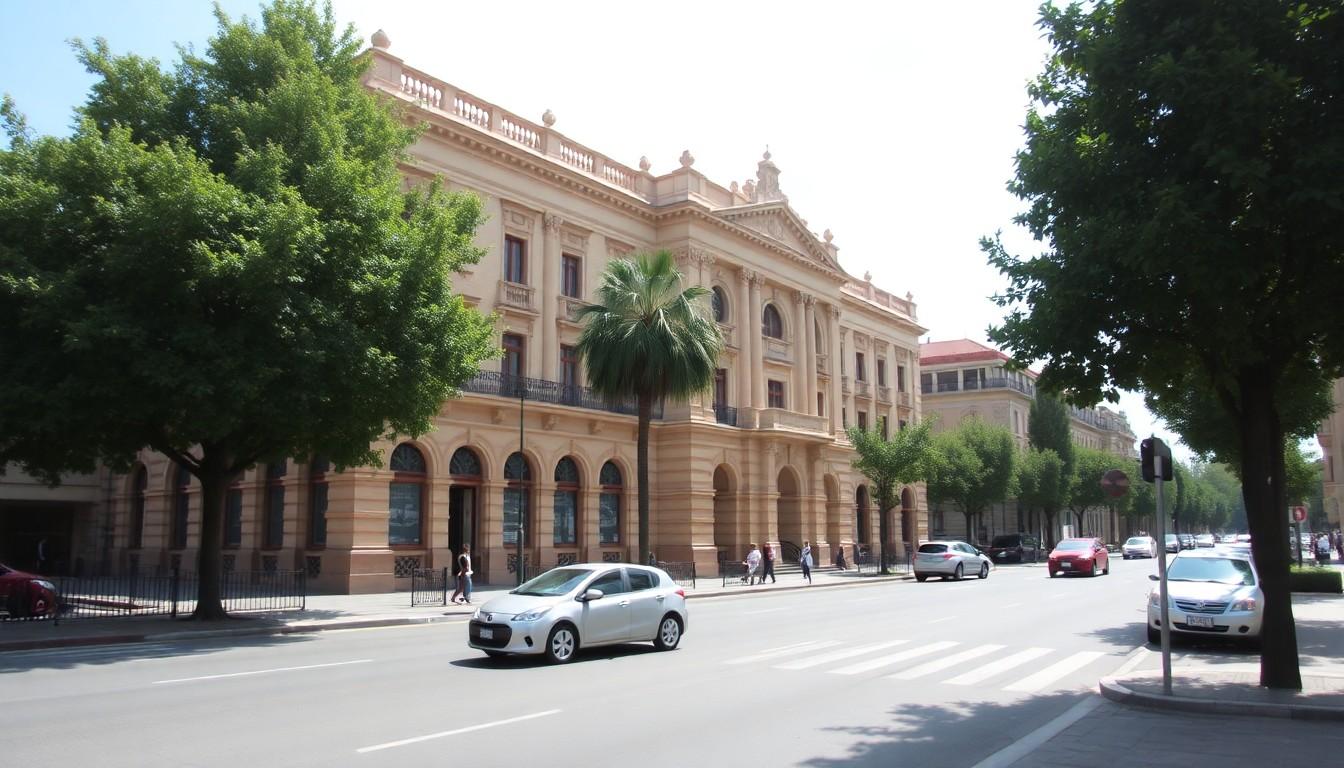
Shoppers are turning to city Pride events with a purpose: Seville’s Orgullo Gitano brings together municipal leaders, activists and residents to spotlight Roma LGTBI identities and demand equality every day of the year, not just during festival week. It’s a small but powerful push toward visibility, dialogue and safer public spaces.
Essential Takeaways
- Local leadership: Andalusian minister Loles López and Seville councillors backed the event, stressing equality, respect and freedom as year‑round commitments.
- Dual marginalisation: Roma LGTBI people face overlapping prejudice , antigitanismo and LGTBIfobia , and need targeted visibility and support.
- Safe spaces: La Fragua Projects and the city provided venues and programming aimed at community dialogue, reflection and cultural pride.
- Citywide impact: Organisers say including Roma voices makes Seville’s Pride more representative and helps break long‑standing silences.
- Practical note: Events like this are part celebration, part policy conversation , useful for services, funders and neighbours wanting to act.
Why Seville’s Orgullo Gitano feels different
There was a warm, determined energy in the room when organisers from La Fragua Projects opened the two‑day programme at Hogar Virgen de los Reyes. You could almost feel the relief of being seen, a quiet, tangible thing that makes people speak freer.
The event isn’t just a cultural showcase; it’s a direct response to lived exclusion. According to local statements, the goal was straightforward: create spaces where Roma LGTBI people can be visible, safe and heard. That blends celebration with a clear political demand , equality that lasts all year.
For visitors, the difference is obvious. This Pride strand focuses on stories and services rather than only parades, which helps connect festival energy to everyday needs. If you’re organising or attending similar events, think about combining celebration with panels, legal advice and outreach.
Leaders saying equality “365 days a year” changes the tone
When Loles López called for defending equality, respect and freedom every day, it wasn’t mere rhetoric; it set the expectation that public institutions should follow through beyond slogans. Her message framed the sessions as part of a continuous public duty.
Municipal support matters here. The local delegate for Equality emphasised that making Pride “for everyone” means recognising intersecting identities , Roma and LGTBI , and adapting services accordingly. It’s the kind of language that signals policy rather than pageantry.
If you want to hold officials to that promise, look for measurable steps: funding for community organisations, training for public services and representation in planning committees.
Facing twofold discrimination: what organisers want you to know
Speakers repeatedly pointed out that antigitanismo and LGTBIfobia don’t operate in isolation; they reinforce one another. That leaves Roma LGTBI people navigating prejudice on several fronts, from family rejection to barriers accessing healthcare or housing.
Bringing those conversations into Pride programming helps destigmatise and educate. Panels, testimonies and partnerships with municipal services can translate awareness into action , for instance, targeted anti‑discrimination campaigns or culturally relevant support services.
A practical tip: frontline workers and volunteers should get brief, specific training on how intersecting identities shape needs, so support is empathetic and effective.
How visibility can lead to policy and protection
Visibility here is a tool, not an end. The organisers and city officials framed the event as a learning moment for administrations to better respond to needs. That’s important because naming a problem is the first step toward solutions.
Expect follow‑ups that push for concrete measures: inclusive housing policy, easier access to mental‑health services, and hate‑crime prevention tailored to communities at risk. When local government and grassroots groups coordinate, resources are likelier to land where they’re needed.
If you’re a campaigner, document outcomes and ask for timelines; if you’re a donor, fund capacity building so groups can sustain that pressure.
What this means for Seville’s Pride and beyond
Seville’s Pride gains depth when it embraces historically marginalised voices. Adding an Orgullo Gitano strand nudges the whole festival toward being more plural and accountable, and it sets an example other cities can copy.
There’s a bittersweet note, though: that such initiatives are still necessary more than half a century after early Pride actions shows how far we still need to go. But these gatherings also show progress , visible communities, municipal backing and public conversations that once didn’t exist.
If you care about inclusive cities, show up, listen and support organisations that bridge celebration with social change.
It's a small change that can make every celebration more honest and every day a bit safer.
Source Reference Map
Story idea inspired by: [1]
Sources by paragraph: