Celebrating Pride often looks like parades and parties, but communities have long built the real systems that keep people safe; here’s how grassroots LGBTQ+ organising shaped survivor support, why it still matters, and what that means for services today.
Essential Takeaways
- Roots in mutual aid: Early LGBTQ+ groups created housing and care when formal services were absent, offering practical safety and sanctuary.
- Leaders who changed systems: Activists like Marsha P. Johnson and Del Martin combined community care with public advocacy that shifted how violence was understood.
- Services that work: Survivor-centred, trauma-informed support blends shelter, advocacy, nursing, and listening, simple but often lifesaving.
- Ongoing need: LGBTQ+ people face higher rates of domestic and sexual violence and unique barriers to help, so affirming services remain essential.
- Practical choice: When seeking help, look for places that name identity, offer advocacy, and provide trauma-aware healthcare.
How mutual aid filled a legal and service-shaped void
When institutions didn’t offer protection, people did. That rough, necessary care often looked and felt very human: a spare room, a shared meal, a listener who refused to look away. Groups formed by and for LGBTQ+ people offered immediate safety long before shelters and hotlines existed. According to historical accounts, that was never merely charitable work; it was survival strategy. For anyone choosing support now, the lesson is clear, look for organisations rooted in community history, because they tend to know the realities survivors face.
From the Stonewall generation to concrete shelter models
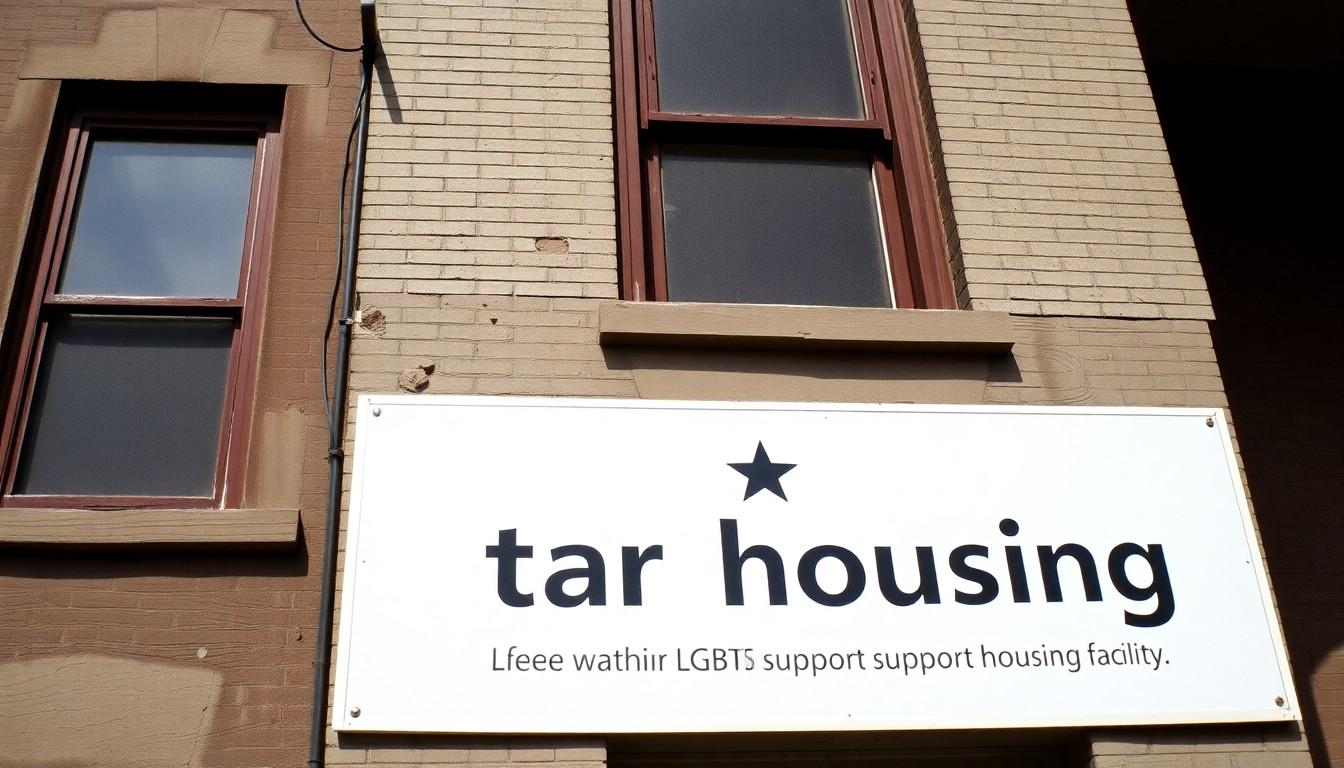
Marsha P. Johnson and Sylvia Rivera are names people recognise, and for good reason: their activism translated into direct services for people pushed to the margins. After Stonewall, STAR provided housing and a social safety net for young trans and gender-nonconforming people who had nowhere else to go. That hands-on approach influenced later shelters and advocacy models by proving that dignity starts with a roof and a welcome. Today’s services borrow that logic: safety is physical, emotional, and relational.
How feminist organising reframed violence as public harm
The long fight to treat domestic and sexual violence as public wrongs came in part from feminist and survivor-led organising in the 1960s and 1970s. As advocates pushed for shelters, hotlines, and legal reforms, they redefined safety beyond secrecy and shame. That shift reshaped policy, Title IX and other laws helped open doors, and also changed practice: safety planning, survivor advocacy, and trauma-informed care grew from those debates. If you’re comparing services, the ones influenced by that era tend to offer both practical supports and rights-based advocacy.
Why identity-affirming services still matter today
LGBTQ+ survivors often face additional barriers: misgendering, disbelief, or services that assume heterosexuality. Those obstacles keep people from getting care when they need it most. Resilience and similar organisations that explicitly affirm identity, offer trained advocates, and provide trauma-aware medical care reduce those barriers. Practically speaking, when you’re looking for help, ask whether staff have LGBTQ+ training, whether intake respects pronouns, and whether healthcare is trauma-informed, those details make a real difference.
Choosing the right support: what to look for now
Not all help is created equal. A good survivor service will offer multiple entry points: a safe place to stay, advocacy through the legal system, counselling, forensic exams, and someone who simply believes you. Smaller touches matter too, quiet spaces, clear confidentiality policies, and an understanding that safety planning is personalised. If you’re supporting a friend, be present, listen without judgment, and help them find an affirming provider rather than assuming one-size-fits-all answers.
It's a small change that can make every rescue and rebuild feel possible.
Source Reference Map
Story idea inspired by: [1]
Sources by paragraph: