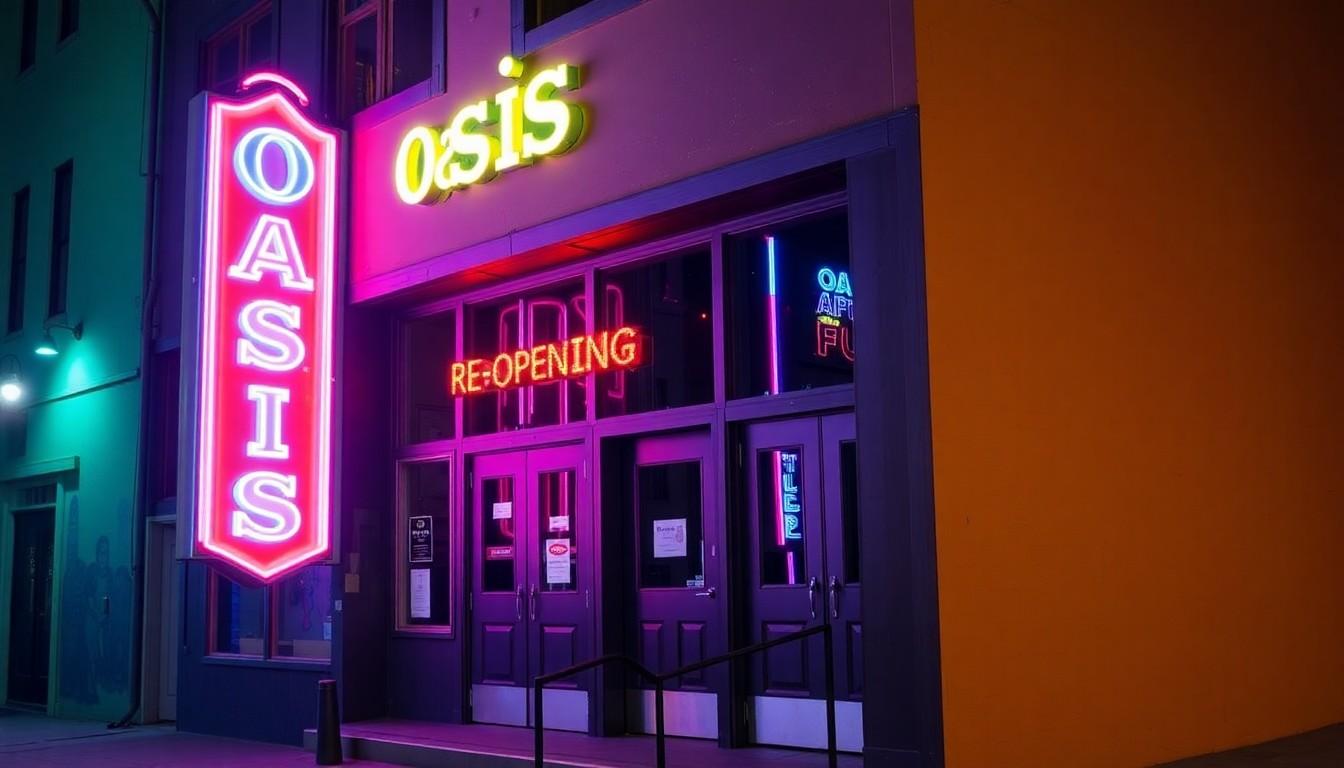
Shoppers of spectacle, rejoice , San Francisco’s beloved Oasis nightclub reopens July 17, 2026, after a six‑month renovation, returning as a renovated queer performance home that matters for artists, audiences and the city’s cultural pulse. Here’s what to expect and why this revival feels like a win for nightlife and community.
Essential Takeaways
- Reopening date: Oasis will reopen on July 17, 2026, with a celebration called “The Grand Reveal.”
- Major gift saved it: A multi‑million dollar donation from the Stevens Family kept the venue afloat and funded the comeback.
- Nonprofit shift: Oasis merged with Oasis Arts and is operating more explicitly as an arts nonprofit, supporting artists and paid programming.
- Legacy and vibe: The venue keeps its joyful, sexy, unapologetically San Francisco character, now with refreshed facilities and leadership.
- Community impact: Oasis has a track record of hundreds of events, strong box office numbers, and substantial artist payments, underlining its cultural importance.
Why the reopening feels like a cultural rescue
San Francisco’s nightlife lost a bit of its sparkle when Oasis announced closure plans last year, and the relief at its saved status was immediate and audible , think confetti and sighs of gratitude. The Stevens Family’s surprise donation turned what looked like an endpoint into a dramatic reset, letting the club reopen with upgraded space and a renewed mission. According to local reporting, that largesse bridged the gap between a beloved institution and a sustainable future.
This matters because Oasis isn’t just a bar; it’s a performance incubator. Over the past decade the club has staged hundreds of drag shows, cabaret nights and queer theatre productions. Restoring the venue preserves a place where performers earn real pay and where queer audiences can see themselves reflected onstage.
New leadership, same glitter , what’s changed
D’Arcy Drollinger remains the artistic force, while Greg Sottolano steps in as Executive Director, signalling a more formal arts‑organisation structure. That’s a smart move if you want predictable programming, grant eligibility and long‑term planning. Drollinger’s focus stays on the creative heartbeat, and Sottolano will steer the operational side, a pairing that reviewers and community members have welcomed.
Expect programming continuity , drag nights like Mother and Princess, parody plays and annual staples , but with better backstage systems and likely more paid gigs for artists. It’s a small but meaningful pivot from club‑run chaos to nonprofit stability without losing the raucous charm.
The numbers that show Oasis matters
Oasis Arts has been clear about its impact: hundreds of events, tens of thousands of tickets sold and significant artist compensation. Those figures aren’t just vanity metrics; they show the venue’s economic role for local performers and crew. When a space sells 48,000 tickets a year and pays out close to $800,000 to artists, it’s supporting livelihoods, not just late‑night entertainment.
That support was part of the argument for saving Oasis: losing it wouldn’t only have closed a stage, it would have dimmed an income stream for a whole creative ecosystem. The reopening helps restore both the art and the economics around it.
A deep history beneath the dance floor
Oasis sits at 398 11th Street in a building whose story goes back decades, from Polly Ann restaurant to leather bars, to The Plunge with a removable dance floor over a pool, and through various club incarnations. That layered past gives Oasis a texture you can feel , the place carries memory as well as sound.
Keeping the venue alive preserves that continuity. For long‑time patrons, returning won’t just be about new paint; it’ll be about stepping back into a place that has weathered the city’s shifts and still hosts the rituals that bind the queer community together.
What to expect at reopening and how to plan a visit
The Grand Reveal on July 17 promises celebratory programming; detailed show schedules will roll out via Oasis’s newsletter and website. If you’re planning to go, sign up early and expect ticketed events to move fast , popular nights historically sell out. For performers and freelancers, keep an eye on job and audition notices; the nonprofit model suggests more professionalised pay and opportunities.
Practical tip: check accessibility details and arrival times in advance. Oasis has long been a community hub , go early, soak up the atmosphere and give yourself time to reconnect with friends and performers.
It's a small change that can make every night feel more sustainable and every performance more secure.
Source Reference Map
Story idea inspired by: [1]
Sources by paragraph: