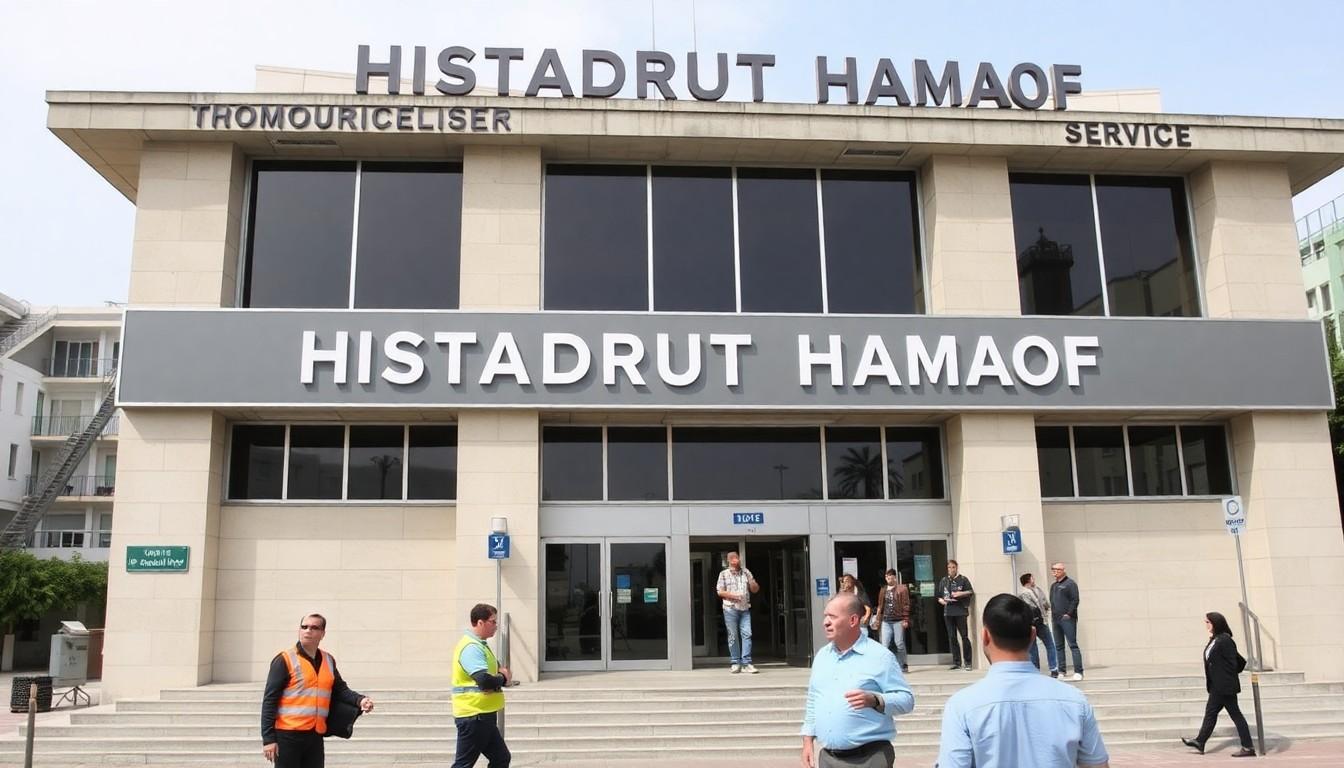
Shoppers, residents and council workers are watching nervously as a reported decision to stop state funding for municipal LGBTQ+ coordinators could force layoffs and strip vital services from vulnerable people across Israel. This matters because these coordinators deliver local support, safety programmes and connection where national policy meets everyday life.
Essential Takeaways
- Funding suspended: Reported cuts to the Social Equality Ministry's budget threaten municipal LGBTQ+ coordinator posts that many local authorities depend on.
- Services at stake: Coordinators run inclusion projects, connect residents to welfare services, and support people in crisis, especially youth.
- Labour concern: Histadrut HaMaof warned the move could cause dismissals and called for talks with worker representatives.
- Unequal impact: Poorer municipalities and peripheral towns would struggle more to replace lost state money, risking reduced programmes.
- Political flashpoint: Critics say the change is part of a wider shift in LGBTQ+ policy under Minister May Golan, heightening tensions between national politics and local services.
Why one coordinator can change a neighbourhood
A single municipal LGBTQ+ coordinator often feels like the glue holding local inclusion work together, with a steady hand for publicity, youth outreach and crisis referrals. According to union sources, those roles are practical and hands-on, not symbolic: they run groups, advise councils and shepherd isolated residents towards help. When that worker is gone, so is the warm, local knowledge that keeps people safe.
You can trace the issue to the way Israel funds social services: national ministries bankroll programmes, while local authorities deliver them. When national support wavers, municipalities are left juggling budgets. That's why Histadrut HaMaof framed this as a labour fight as much as a social-policy dispute , where funding ends, jobs and community lifelines often follow.
What the union is demanding , and why it matters
Histadrut HaMaof has sent a clear letter to the minister, local authority chiefs and municipal directors-general, demanding talks before any cuts. The union warns the decision was taken quickly and without sufficient dialogue, which could violate workers’ rights and leave communities exposed. Their stance is blunt: coordinators are "not a luxury" but a vital part of local social services.
This isn't only about protecting jobs. Union leaders highlight prevention work , early intervention with teenagers, support for people facing family rejection , that saves long-term costs and human distress. So the argument is practical as well as principled: cutting now may cost more later.
Where the pain will be felt most , the periphery and small towns
Not all councils can absorb the shock. Wealthier municipalities may find interim funding or reassign personnel, but smaller towns and peripheral councils often lack that flexibility. Reports point to dozens of local authorities that currently rely on ministry funding for their coordinators; in poorer areas, losing that person could mean cancelling youth programmes, advice clinics and safe-space initiatives.
If you care about equity, this is the sharp edge of the story. Services that help LGBTQ+ residents feel safe and included are often the first to be squeezed when budgets tighten, leaving those who already face social isolation even more vulnerable.
Politics, logos and public perception
The debate has a political current. Critics say the Social Equality Ministry under Minister May Golan is shifting course on LGBTQ+ policy, which has made municipal coordinators a political football. There were even reports that the ministry asked programmes to remove its logo from materials , a move the minister later said was unauthorised.
Whether those reports reflect a deliberate policy or chaotic signalling, the effect is the same: local officials and NGOs are unsure how to plan. Uncertainty alone can halt recruitment, delay programme renewals and chill partnerships between councils and community groups.
Practical steps councils and residents can take now
If you live or work in a council affected by the change, there are pragmatic moves to consider. Councils can audit which services would be hardest hit and prioritise emergency support for high-risk groups. Local NGOs might pool resources or apply for philanthropic bridging funds while pressing for dialogue with the ministry. Workers’ reps and municipal leaders should seek formal negotiations to protect jobs and preserve core services.
Residents can help too: attend council meetings, ask where budget lines are going, and support local organisations that provide direct services. Public pressure often nudges decision-makers when funding choices have human consequences.
It's a small change at the ministry that could have outsized effects on everyday life , worth watching and worth acting on.
Source Reference Map
Story idea inspired by: [1]
Sources by paragraph: